
You just finished the best sweater of your life. It fits beautifully, and you are already imagining it in different colours. Then life happens. You join a shawl make-along, start a pair of socks as a travel project, and months go by. When you finally return to that sweater idea, the only notes you can find are the yarn, colourway, and gauge.
Or maybe you only make one garment a year and always forget your measurements, like the yoke depth. Having clear, thoughtful notes for every project makes a huge difference. This applies just as much to smaller projects like hats, mittens, and cowls as it does to sweaters. Any project that involves measurements for repeatable success benefits from good notes.
In this post, we walk through what is helpful to record before, during, and after a project so you can return to your notes with confidence and enjoy more consistent results in both knitting and crocheting projects.
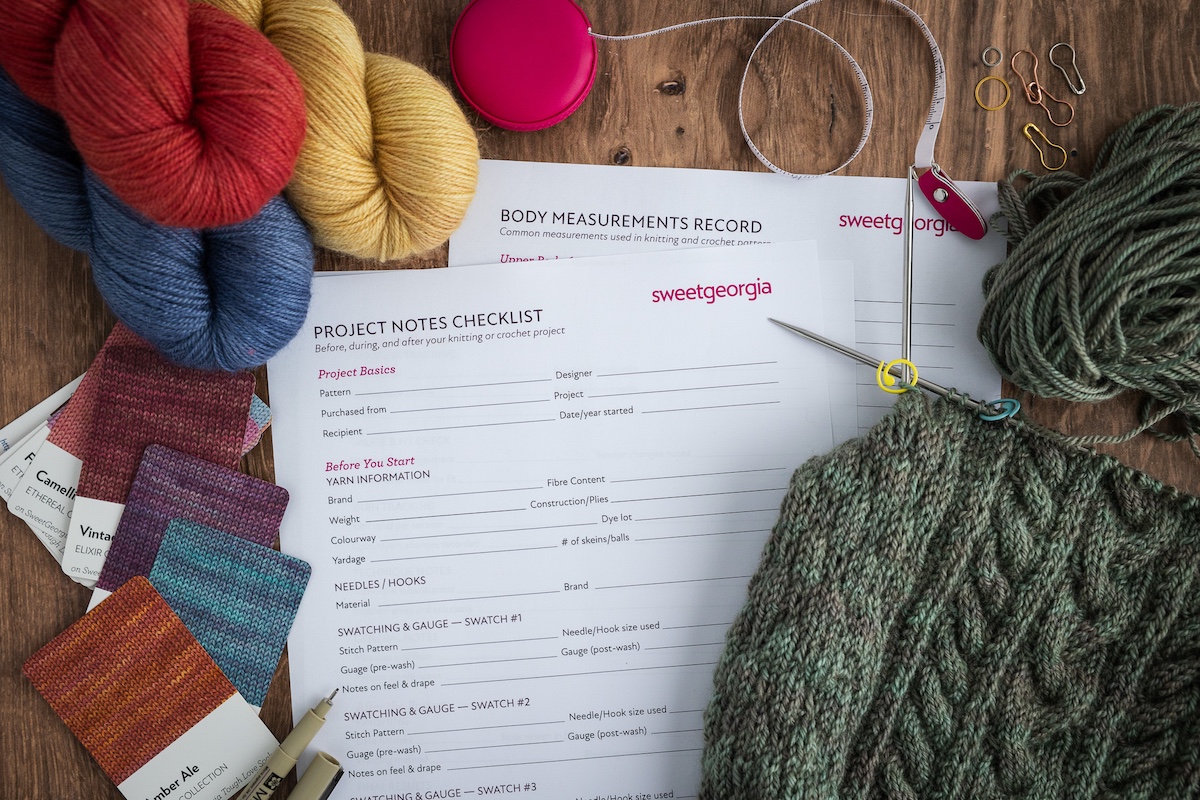
At the end of this post, you will find a downloadable PDF that includes everything covered in this article, plus a bonus page dedicated entirely to measurements. You can print these, keep them with your current pattern, or store them with your needles, hooks, and notions, so it is easy to find whenever you start something new.
Before You Start the Project
Before you begin, take a few moments to look closely at your materials. Every choice you make at this stage affects the final result.
Hooks & Needles
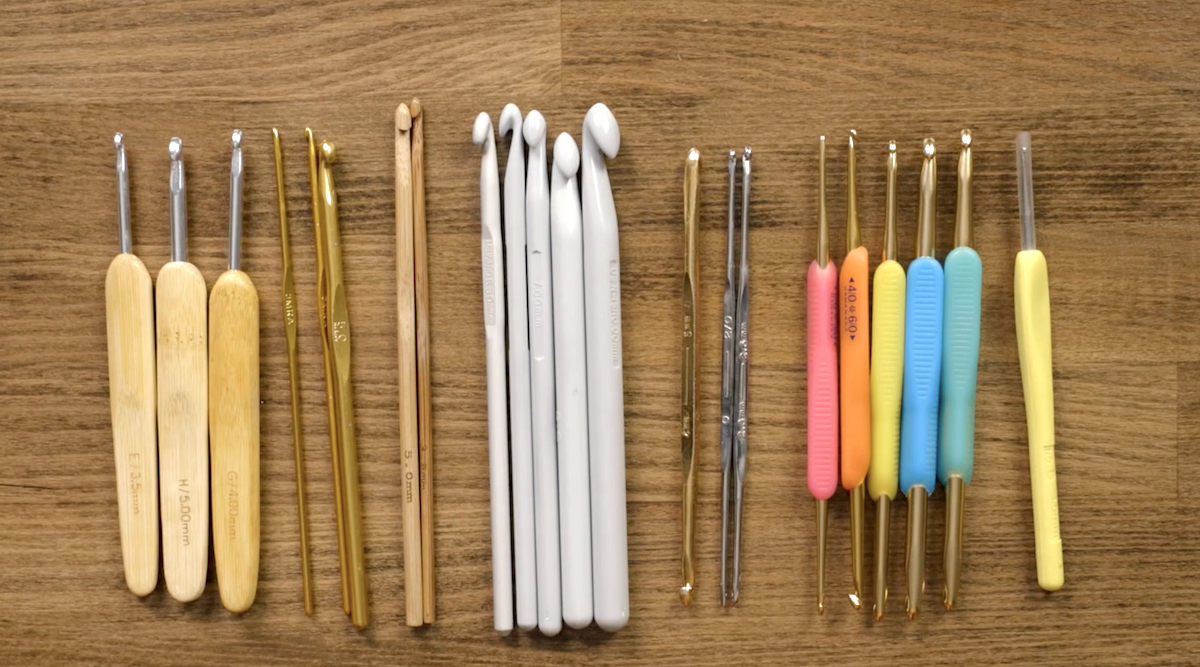
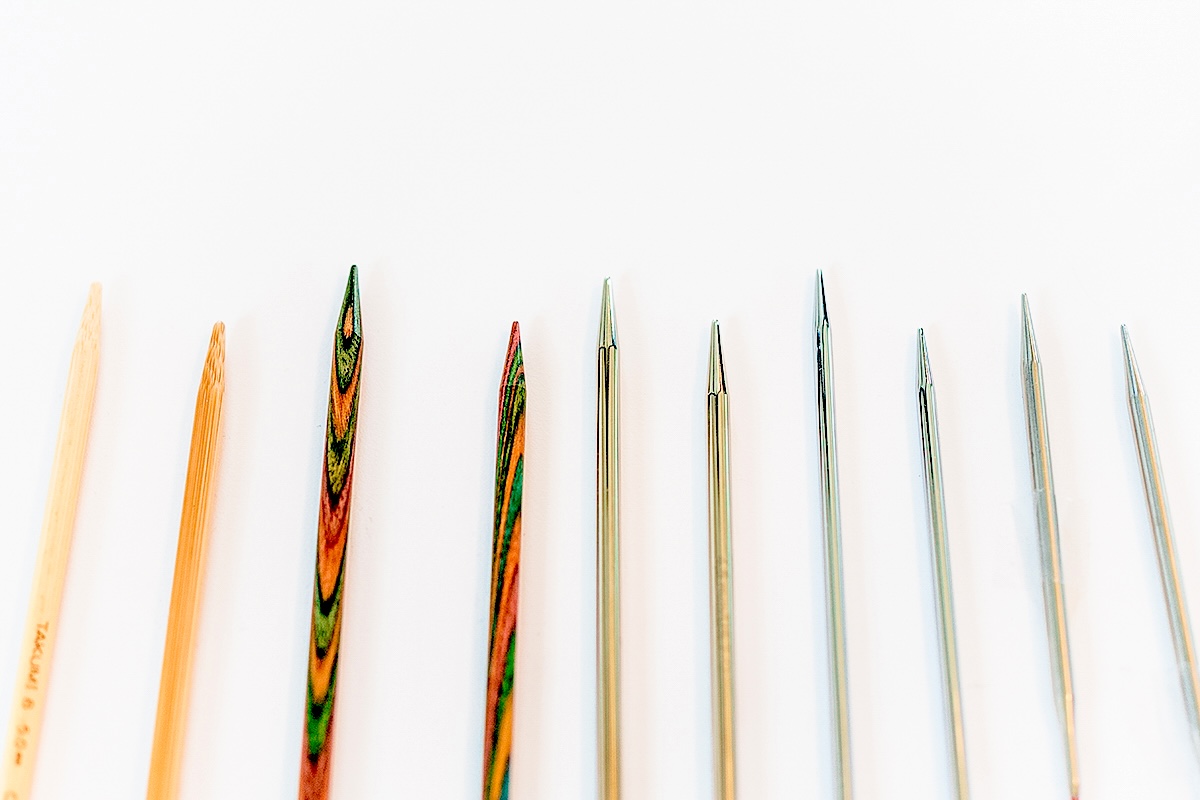
Whether you knit or crochet, different tools can produce different gauges. Sometimes the change shows up only in stitch gauge, or just row gauge, and sometimes in both. Many of us have a mix of wood, metal, bamboo, and acrylic needles or hooks, and each material behaves slightly differently in our finished fabric.
Record not only the size you use, but also the material and brand for each project. This information is surprisingly helpful when you want to recreate a fabric you loved.
Yarn
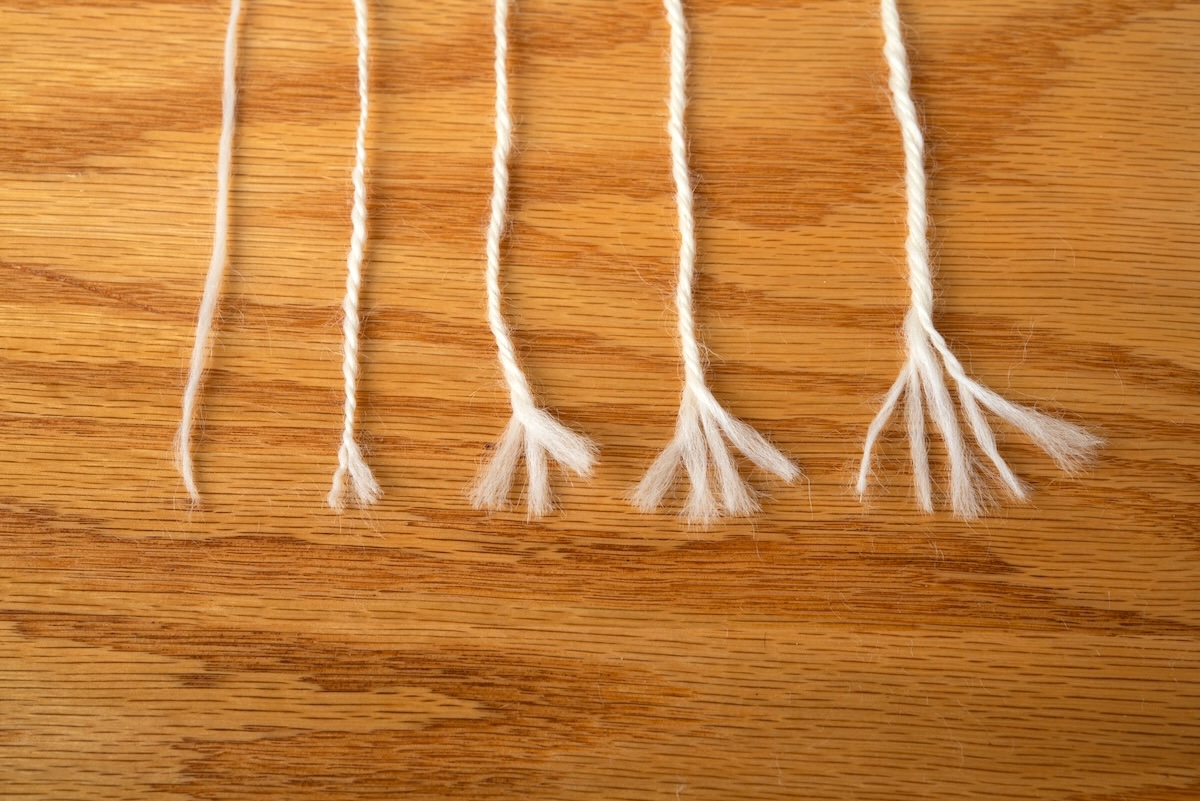
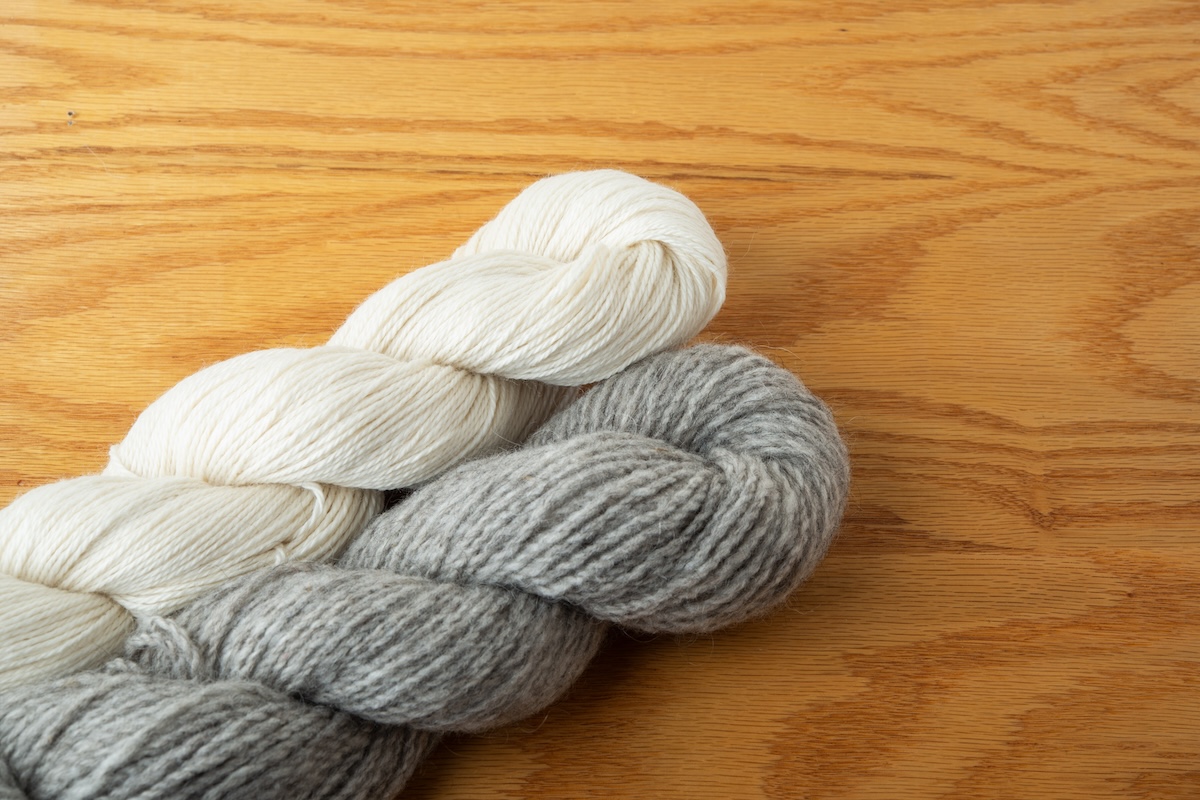
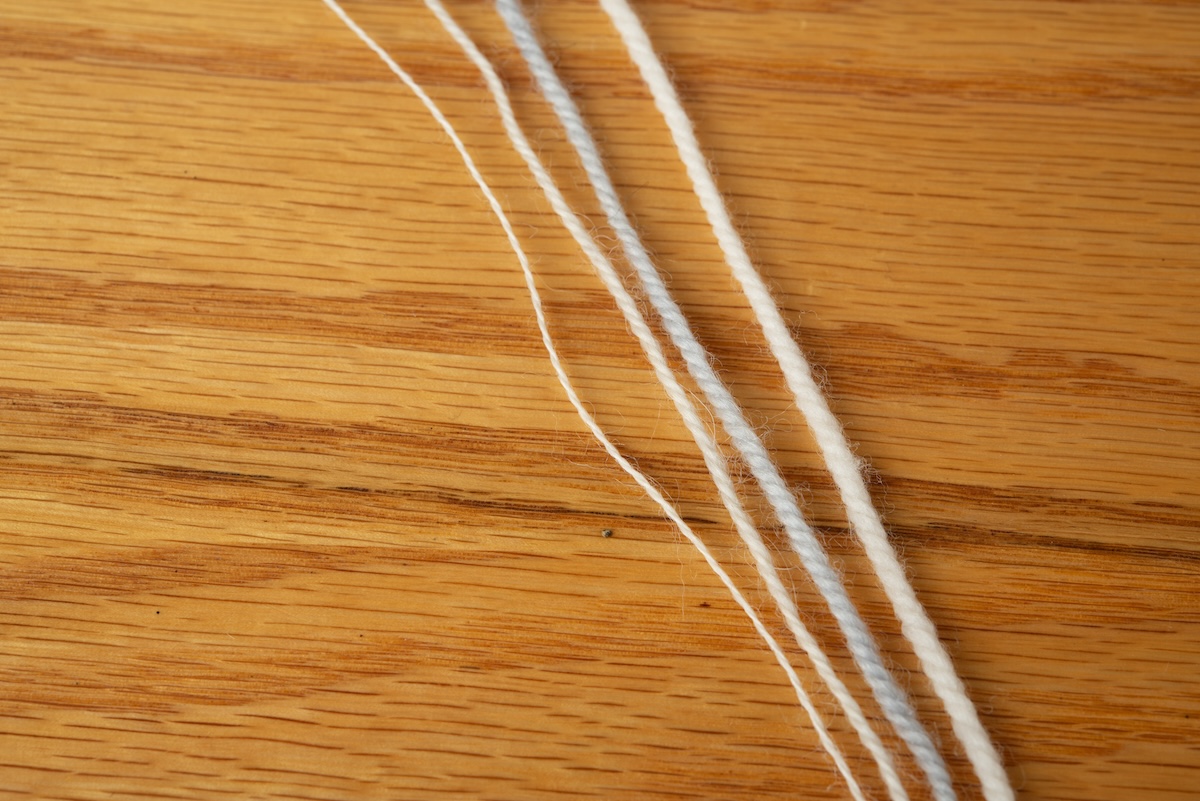
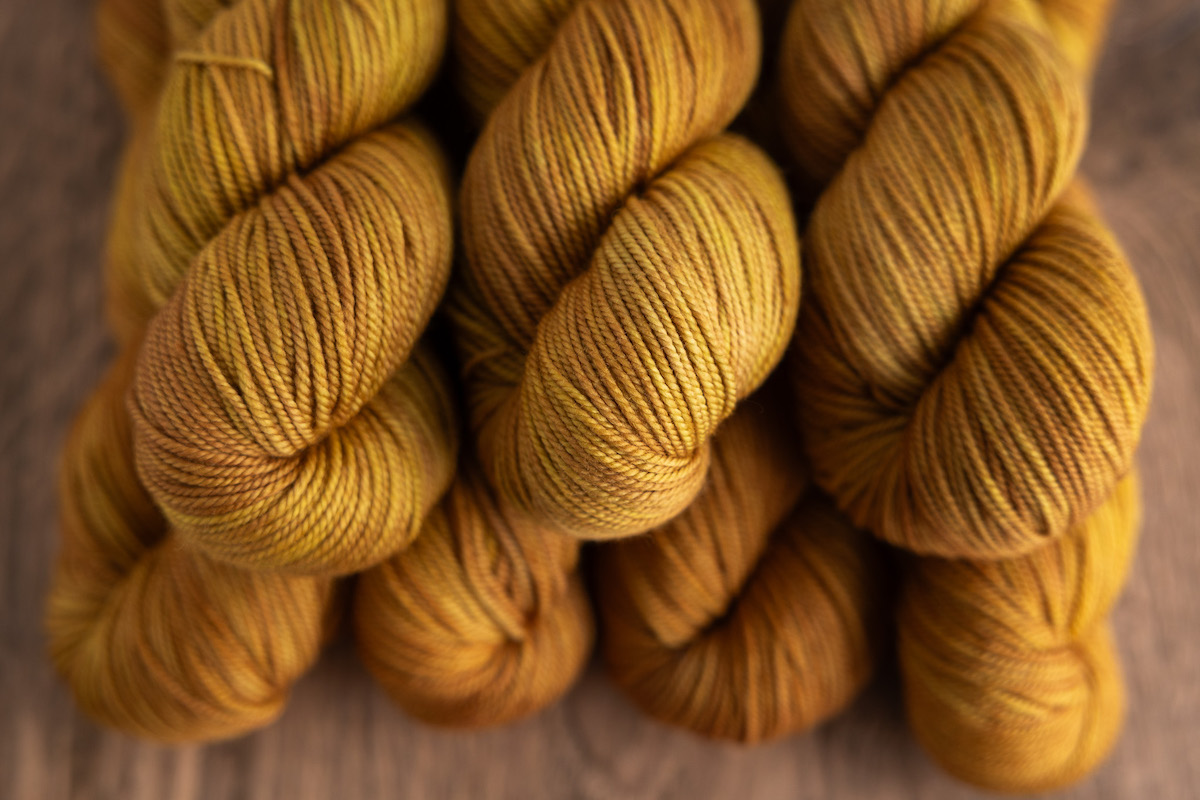
Take time to really look at your yarn. Yarn construction matters. Woollen spun yarns behave differently from worsted spun yarns. Weight, ply structure, and fibre content all influence drape, stretch, and stitch definition. Even two yarns that are the same weight, fibre, and construction can behave differently.
Write down everything you can from the ball band, including fibre content, weight, yardage, and care instructions. Be sure to record dye lots as well. If you need more yarn later, matching dye lots can make a visible difference, even when the yarn colour looks identical at first glance.
It is also helpful to note how many balls or skeins you start with. Labels often disappear during a project, and knowing how much yarn you actually used is invaluable for future planning.
Swatching & Gauge
Swatching often gets a bad reputation, but it is really an opportunity to preview your project. You get to see the fabric, feel it in your hands, and understand how the yarn and pattern work together. And as long as you do not cut the yarn, you can usually reclaim the yarn later.
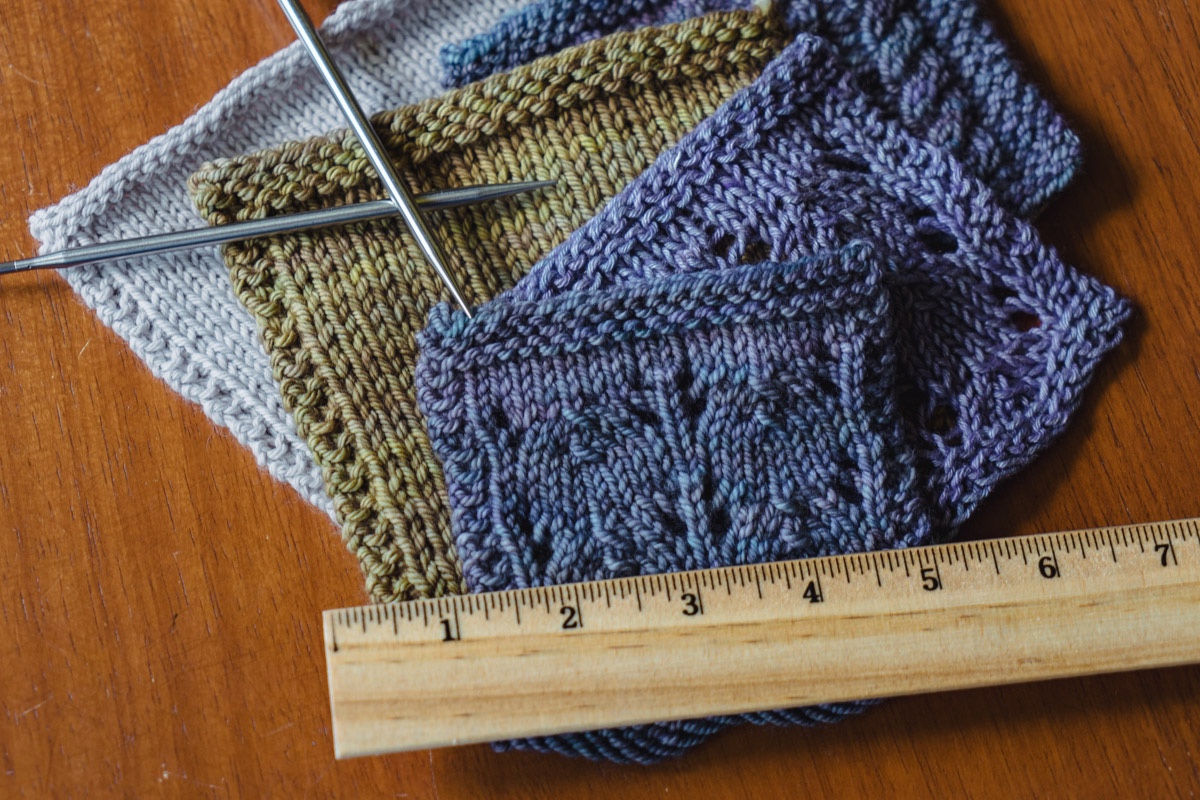
For garments, swatching is especially important. A generous swatch, ideally at least 6 x 6 inches, gives you the best chance of matching the designer’s gauge and achieving the intended fit. This small investment of time can save weeks or months of work.
Some patterns include multiple stitch patterns, each with its own gauge. If the designer specifies different gauges with needle/hook sizes for different sections, take the time to swatch each one and record the results.
Always wash and dry your swatch the same way you plan to treat the finished project. Record gauge for your project both before and after washing. The unwashed gauge is useful for checking your work as you go, while the washed gauge tells you how the finished fabric behaves.
Size & Measurements
Many makers choose a size based on the designer’s recommendations, but bodies rarely fit neatly into one size. Before circling everything under one size in the pattern, look at the schematic or finished measurements.
You may find that one size works for width, while another works better for length. Recording these decisions helps you understand how to repeat successful fits over time.
This is a great time to record your own key measurements, such as chest and arm circumference, hand or foot length. These measurements are worth revisiting every year or two, as bodies change over time.
Extra Details
If you do not plan to store your notes with the pattern, be sure to write down the pattern name, designer, where you purchased it, who you are making it for, and the year you started. Add anything else you feel contributes to the success of the project.
During the Project
As you work, new information naturally comes up. These notes capture decisions and adjustments that are easy to forget later.
Repeats: Stitch & Row Counts
Row and round counts are especially important when working with mirrored pieces like sleeves or mittens. Use stitch markers to mark key points and record how many rows or rounds occur between them.
Gauge Checks
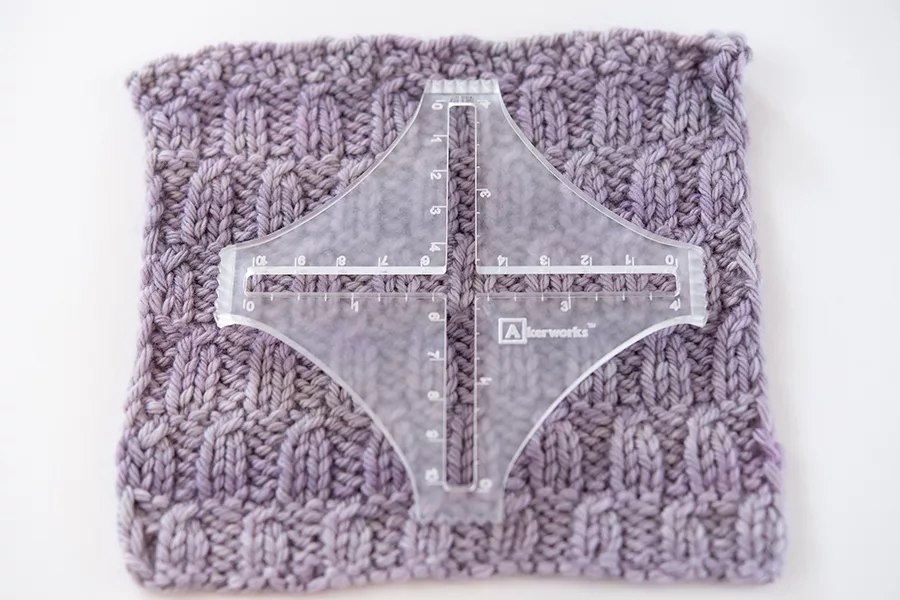
Check your gauge partway through the project. Stress, fatigue, or working smaller circumferences, like sleeves, can affect tension. If something feels off, it is worth stopping to measure and adjust before moving on.
Fit Adjustments
We all like to try on our projects throughout the process. Sometimes the measurements match the stitch gauge perfectly, but the project does not look or fit right. If you add or remove stitches/rows to improve the fit, write it down. This helps you match the second sleeve (or repeat section) successfully later, or can also inform you on the best fit for future projects.
Yarn Tracking
Some makers like to track how much yarn is used for specific sections, especially when planning future projects. This can be particularly helpful for garments, colourwork, or modular designs.
Technique Changes
If you swap out a technique because something does not work for you, make a note. It is easy to think you will remember, but future you will appreciate the reminder.
Extra Notes
Use this space for anything that stands out. How the yarn feels, whether the instructions are clear, or mistakes you want to avoid next time, all belong here.
After the Project
Once the project is finished, take a few minutes to reflect while everything is still fresh in your mind.
Wet Finishing & Blocking
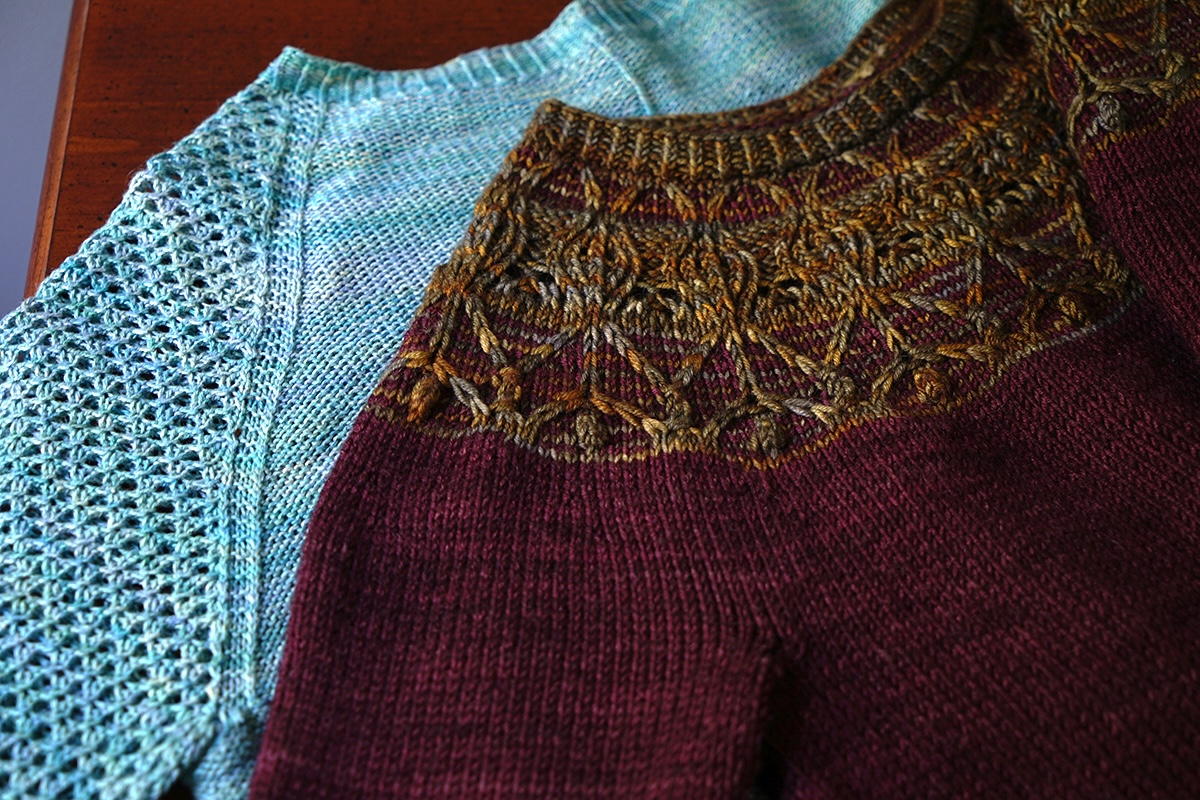
Record how you washed and blocked the project. Note water temperature, soak time, detergents used, and whether you wove in ends before or after washing. If the yarn bled or changed significantly, write that down too. These notes help you spot patterns over time and avoid surprises in future projects.
Changes for Future Versions
If the fit is close but not perfect, write down what you would change next time. Be as specific as possible. These notes become incredibly valuable when you revisit a favourite pattern.
Final Measurements
If you love the finished project, record the final measurements and gauge. This gives you a reliable reference for similar projects in the future.


Living With the Project
After some wear, come back and add notes. How does it feel now? Has the fabric grown or pilled? Is it still comfortable and practical? These long-term observations are some of the most useful notes you can keep.
Extra Information
Record the date you finished your project. Some people also like to note how long different stages took. Write down what you loved, what frustrated you, and whether you would recommend the pattern. These reflections help guide future project choices.
Resources
Having the right resources can keep you on the right track. A good pattern and yarn are a start. Having this included PDF to make good documentation is also excellent. We even linked to many of our favourite articles in each picture in this post. But sometimes we need a bit more.
School of SweetGeorgia
At the School of SweetGeorgia, we have over 120 video-based courses on everything from knitting, crocheting, spinning, dyeing, weaving and more! We have 6 courses dedicated to crochet and 28 for knitting, although many concepts on design and fit work across both crocheting and knitting. Here are a few to help you:
- Perfect Fit
- Crochet Basics
- Mastering Gauge
- Knit Your First Sweater
- Grading Knitwear for Beginners
- Fundamentals to Finishing Knits
SweetGeorgia + Co
We all need a place to be ourselves. To talk about our hobbies, passions, and obsessions. A space to share your projects, get inspiration, and feel at home among like-minded people. Join us at the SweetGeorgia + Co and talk all things fibre arts!
Final Thoughts
If you are new to knitting or crochet, do not let this list feel overwhelming. Not everyone records this much information, and that is perfectly fine. These are simply considerations to support your success.
Over time, you will discover what matters most to you. Your notes will naturally become more concise and personal. They do not need to be perfect or extensive. But remember, a few detailed notes written at the right moment are often more useful than documentation written too late. Recording what matters to you is the real success.
Download the Free PDF
We have included two pages in our PDF this month. The first is a list of things you may (or may not) want to record along the way. The other is a page for all our measurements that you can refer back to for new projects.
You can choose to fill in whatever you like. There is no right or wrong way to record your project notes. Choose what works for you and use this as a guide.
The post Small Notes, Better Fits: Recording Our Crochet & Knitting Projects appeared first on SweetGeorgia Yarns.


