
There’s something about cotton that humbles even experienced hand spinners. Just recently, on a Wool n’ Spinning podcast episode, a viewer commented that cotton spinning often feels like a ‘dance’. They are absolutely correct.
It looks familiar — soft, approachable, even ordinary — and yet the moment you sit down to spin it, everything shifts. Your hands have to soften, your rhythm changes and your expectations, especially if you’re coming from wool, need to be gently set aside. Cotton asks something different of us. And in return, it teaches us something new.
This guide is an introduction to spinning cotton — not to achieve mastery, but as an invitation to get started. If you’ve ever been curious about spinning plant fibres, or if cotton has quietly intimidated you from the sidelines, this is a place to begin. And if you find yourself wanting to go deeper, to really understand the rhythm and technique behind it, that’s exactly what we explore in more detail inside the full course.
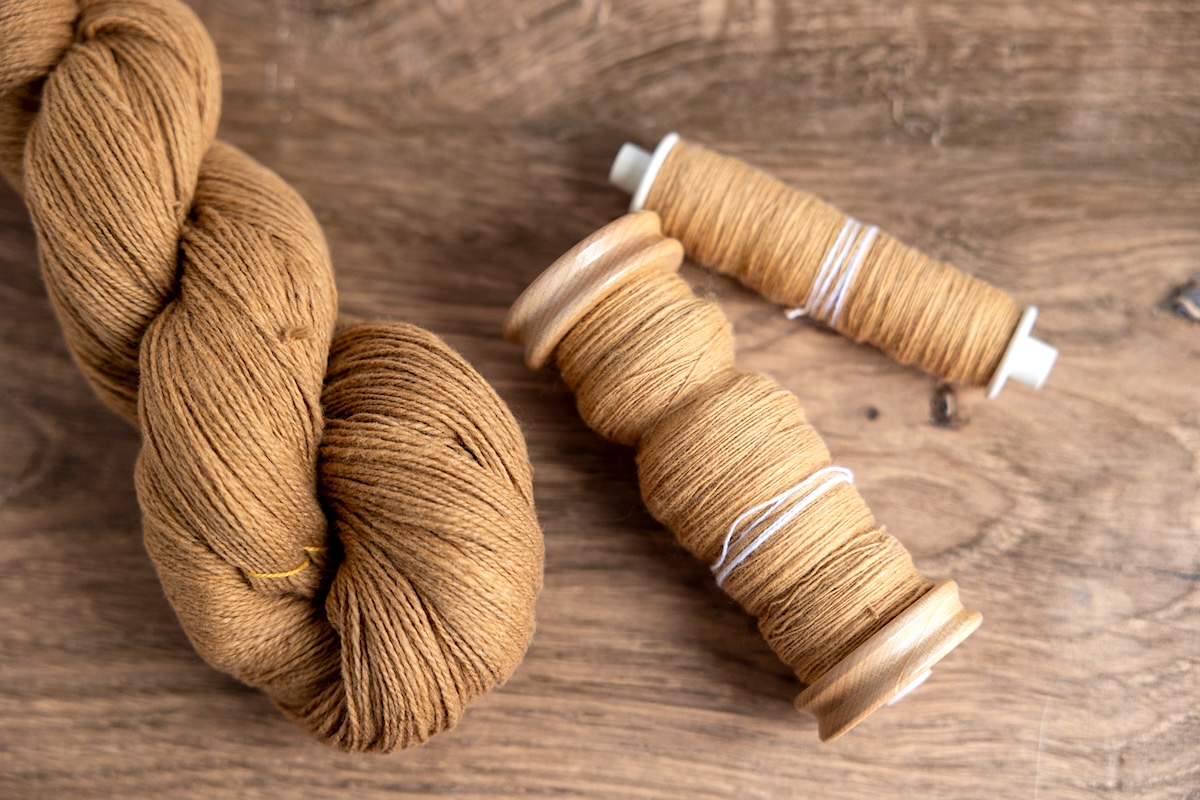
A Fibre with a Long and Complicated Story
Cotton has been spun for thousands of years. Archaeological evidence places its use as far back as 7000 years ago in regions like the Indus Valley of modern-day Pakistan and parts of Central and South America. Over time, it spread across the globe, becoming one of the most widely used fibres in human history.
But cotton’s story is not just one of beauty and utility. It is deeply tied to systems of industrialization, colonialism, and forced labour. As hand spinners and makers, engaging with cotton can also be an opportunity to reflect on where our materials come from — and how we choose to work with them moving forward.
Holding that awareness alongside our practice deepens our practice and ties us to history. In the course, we spend a bit more time sitting with this history, because understanding cotton’s past can meaningfully shape how we approach it at the wheel.
Understanding Cotton
Before we spin cotton, it helps to understand what makes it so different. Because cotton is a pure form of cellulose, the nature of spinning it is very different from wool and other protein fibres.
Cotton fibres are:
- Short-stapled (typically 1.5–3.5 cm).
- Very fine (comparable to cashmere or qiviut).
- Smooth (lacking the scales that help wool grip to itself).
Under a microscope, cotton fibres look like twisted ribbons, with natural convolutions along their length — part of what allows them to hold together when spun. Often, when watching cotton spinners spin the fibre, they draw out a length prior initially. With wool spinning, this would result in the fibres breaking, but cotton sticks to itself, so while smooth, it is able to remain intact as twist is being added.
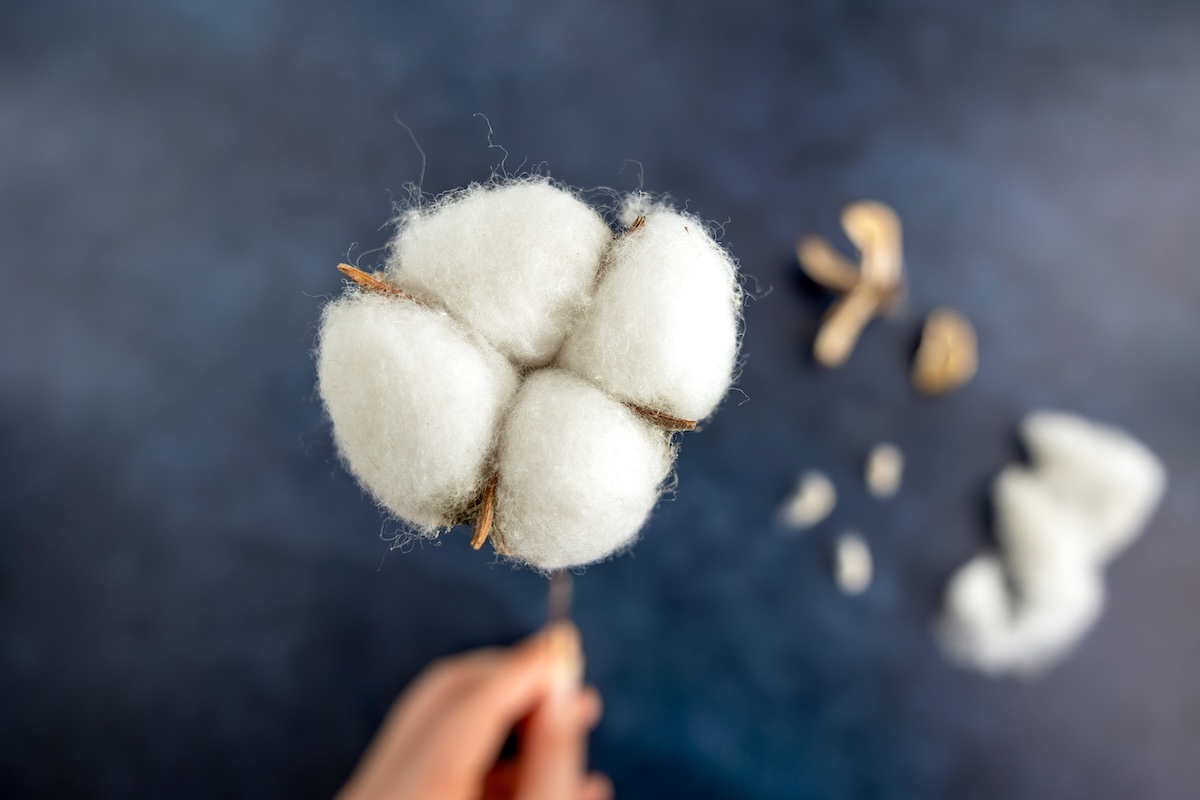
What this means in practice is:
- Cotton needs more twist than you think.
- It prefers to be spun fine (think about adding singles to plied yarns for thickness).
- It does not tolerate heavy drafting or thick singles well.
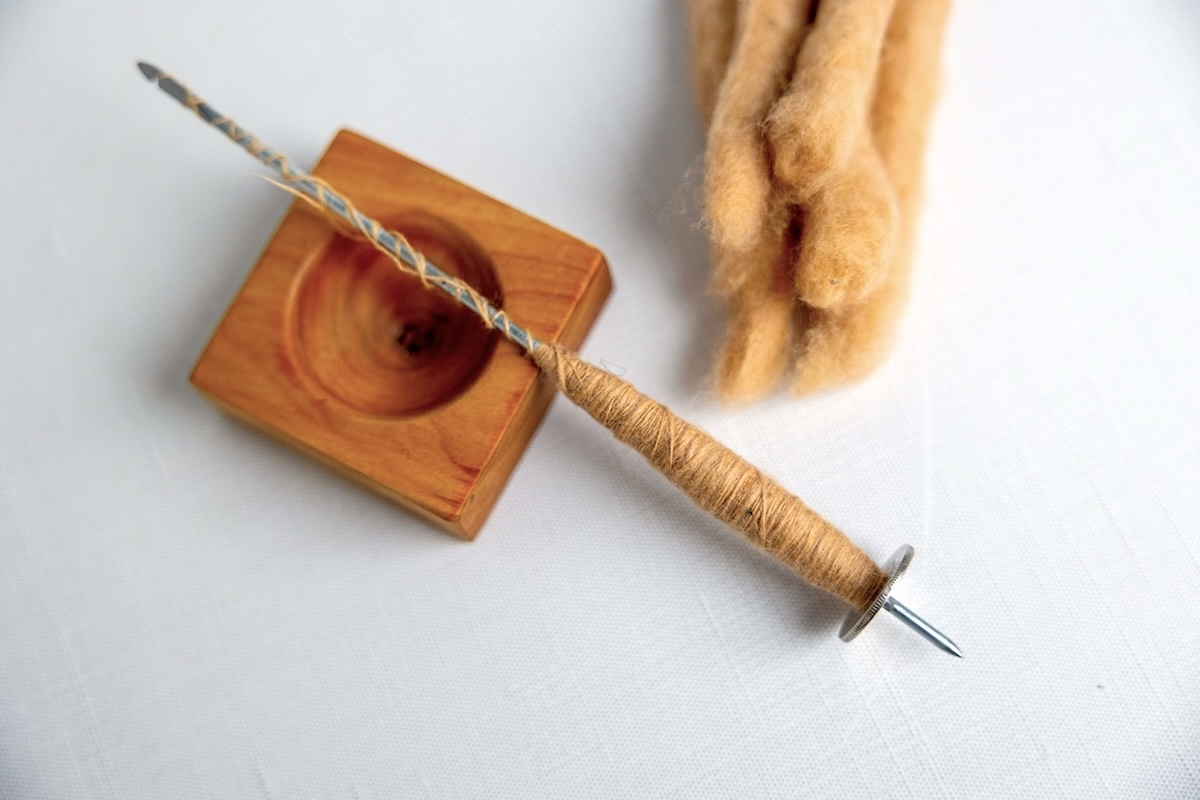
There are many products available on the market for cotton spinners (see chart), including raw cotton bolls, slivers, punis and more. Simple cotton hand cards (if possible, >108 TPI) can offer wonderful opportunities to prepare your own cotton for spinning. While many modern spinning wheels don’t have high enough ratios to spin cotton (although you can treadle more quickly to compensate), a simple metal-supported spindle called a Takhli can bridge the gap and offer a great spinning experience. If access to a Charkha is possible, I highly recommend spending some time spinning on it. They are wonderful tools.
Cotton Species and Attributes
Cotton Species: | Upland Cotton (Gossypium hirsutum) | Pima & Egyptian Cotton (Gossypium barbadense) Includes Sea Island, Maco, Acala and extra-long stapled cotton. |
| Contribution to the World’s Production: | >90% | <5% |
| Staple Length: | 0.9 – 1.3 inches or 2.3 – 3.3 cm | Pima (originally, American Egyptian): 1.4 – 2 inches or 3.5 – 5 cm Egyptian: 1.5 – 2.25 inches or 3.8 – 5.7 cm |
| Cost: | Less expensive, easy to find. | Expensive, but high-quality. |
| Area of the World for Cultivation: | USA, Mexico, the West Indies, and Northern South America. | Pima was originally grown in the SW USA. Egyptian is grown in Egypt and Sudan (once part of Egypt) Grown also in: SW Ecuador, NW Peru, China, Egypt, India, Australia, Israel, SW USA, Tajikistan, Turkmenistan and Uzbekistan |
These are the kinds of small but important shifts that we work through slowly in the course — learning not just what to do, but why cotton behaves the way it does.
Rethinking Your Spinning Approach
One of the biggest shifts when spinning cotton is this: you are no longer relying on the fibre to hold itself together — you are building that structure with twist.
This shows up in a few key ways:
- Light Hands: cotton responds best when held gently. There’s very little pinching compared to wool.
- High Twist: cotton singles should feel almost over-twisted — even slightly prickly — before they are stable.
- Fine Singles: trying to spin cotton thickly often leads to weak yarns that pull apart.
- “Light Hands, Fast Feet”: more twist, less force.
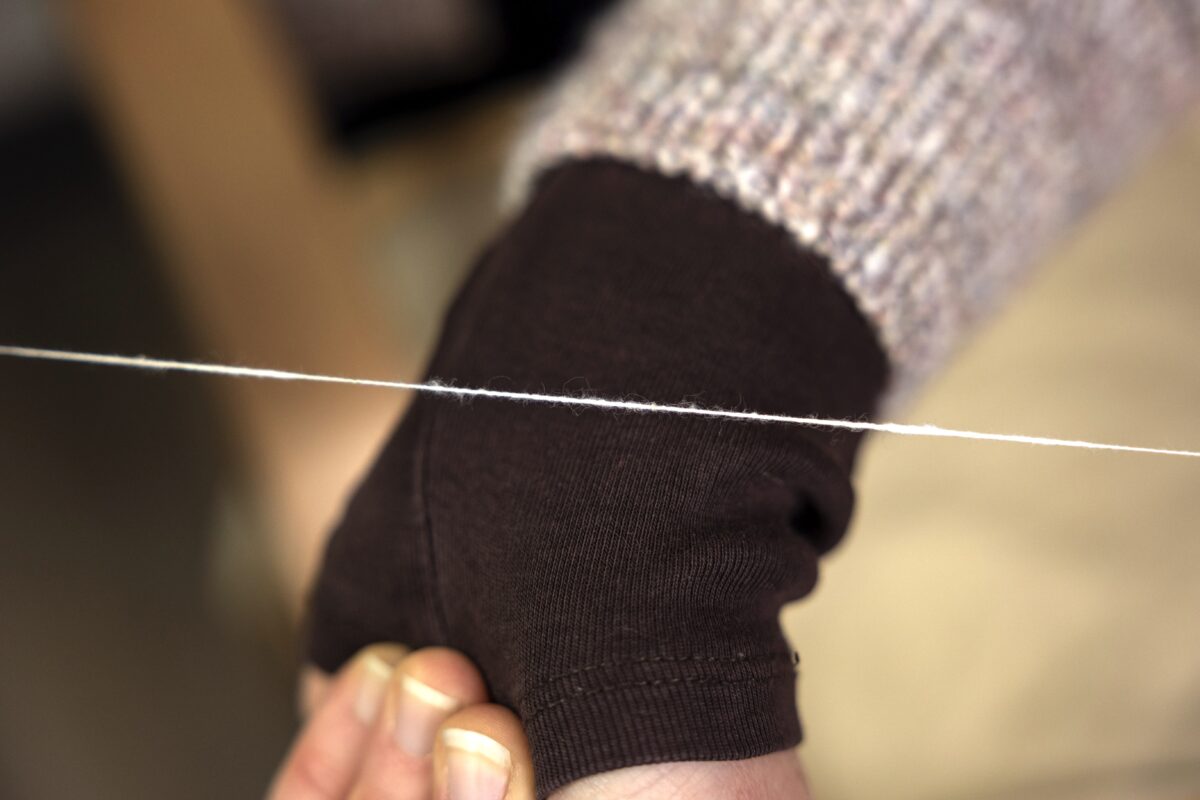
These ideas sound simple, but they take practice to feel in your hands. Think about running your fingers along your singles prior to winding the cotton onto your bobbin or Takhli, attempting to feel for that prickliness that is needed. Tug on each end of the singles to assess whether the cotton fibres are locked together – if they drift apart, more twist is needed. A friend once described cotton fibre as ‘eating up the twist’, and it’s an apt description of what happens in real-time! Tip: If the cotton singles are drifting apart while winding to the bobbin or spindle, there isn’t enough twist.
Preparing Cotton for Spinning
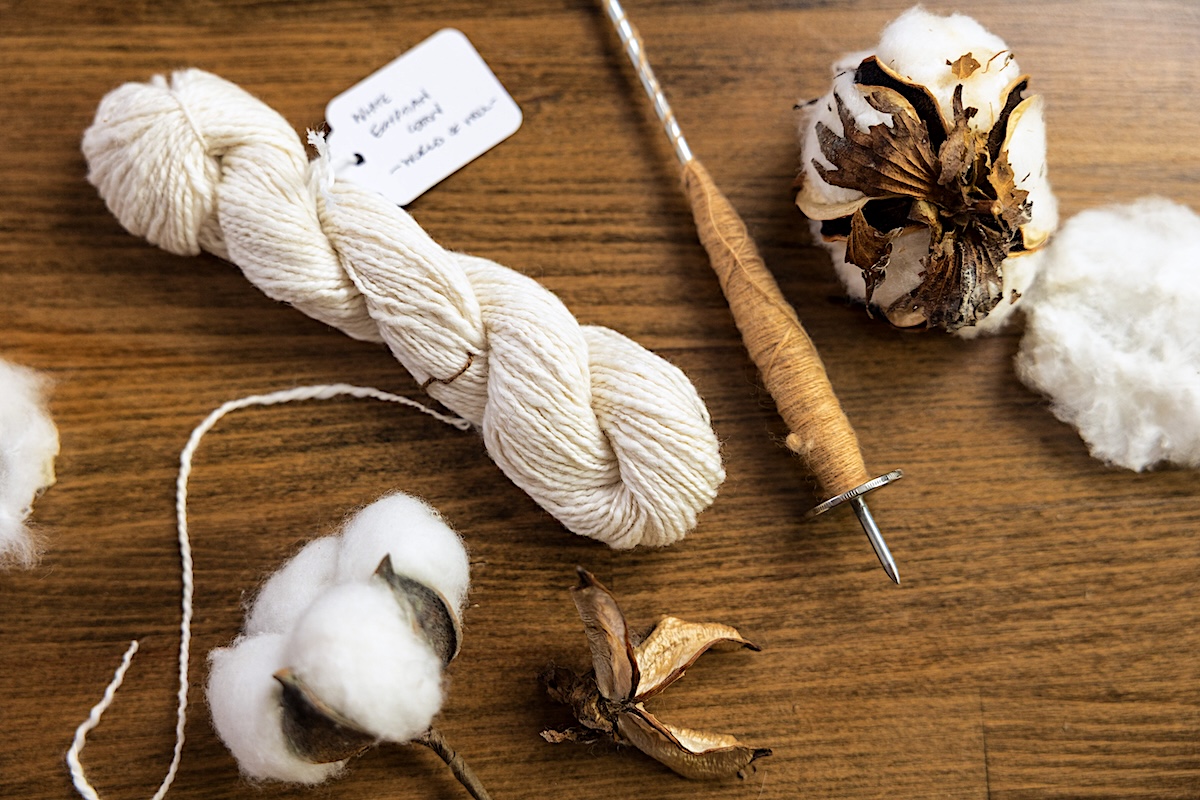
Preparation is everything with cotton. Unlike wool, which often arrives ready to spin, cotton benefits from thoughtful preparation to make it manageable, even sliver bought from a reputable source. If you have the opportunity to work from raw cotton, consider a process called willowing, in which raw or ginned cotton can be fluffed and cleaned by gently opening the fibres and allowing debris to fall away.
Next, carding cotton takes a light hand: use fine cotton cards, working slowly, and avoid creating neps (those tiny knots caused by fibre damage). Unlike in wool combing, the goal is not to align fibres, but simply to open them. Load the card lightly because less fibre results in better preparation. When the card is overloaded, it can result in increased neps and fibre damage, particularly with very fine cotton. And lastly, stop carding immediately if neps begin to form. Continue to practice.
Why Punis Matter
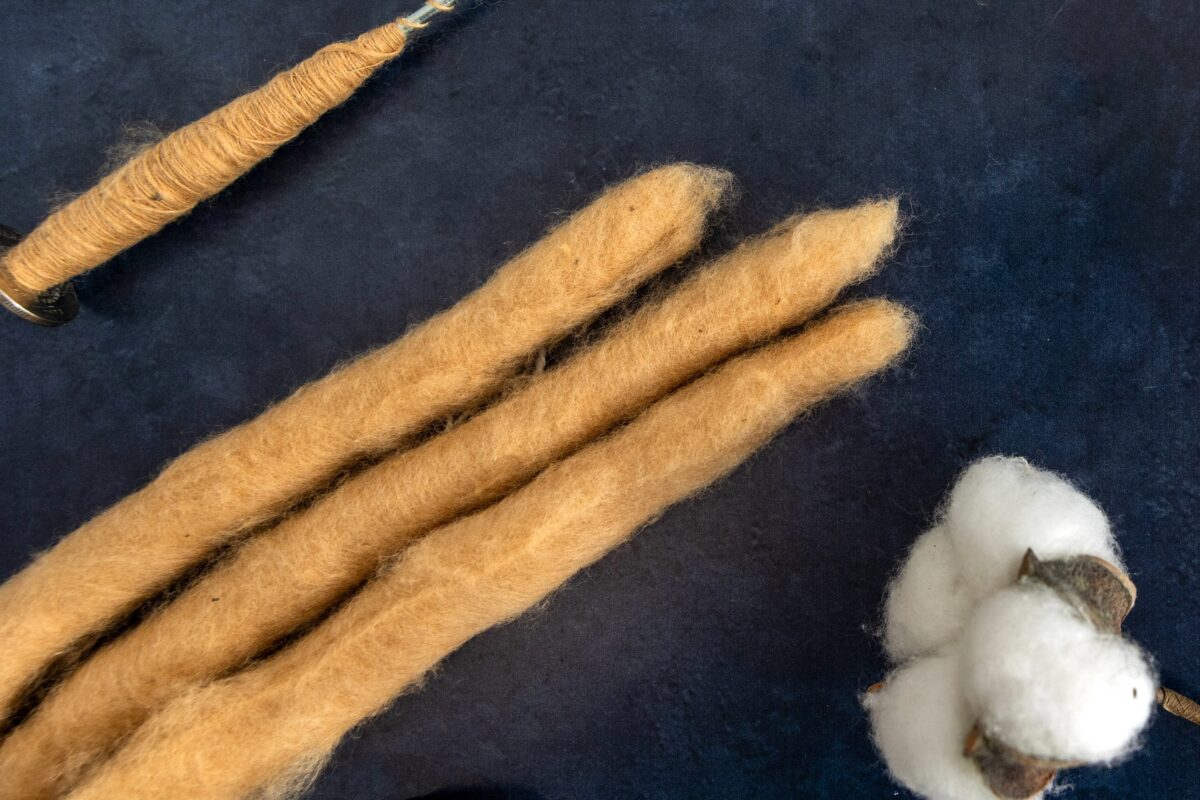
If there’s one preparation that changes everything for cotton spinning, it’s this: Cotton Punis.
- Keep fibres organized
- Allow controlled drafting
- Release the fibre gradually while spinning
While rolags can be made, they tend to be less stable and harder to manage (experiment and report back – many in the Wool n’ Spinning community have had great results with cotton rolags). Punis create a much smoother spinning experience and are a central part of working with cotton successfully. It also allows the cotton to be stored well – they are compact and line up nicely, which prevents the cotton from becoming disorganized or damaged.
In the course, we walk through making punis step-by-step — because once you have this preparation in your toolkit, cotton becomes far more approachable.
Tools for Spinning Cotton
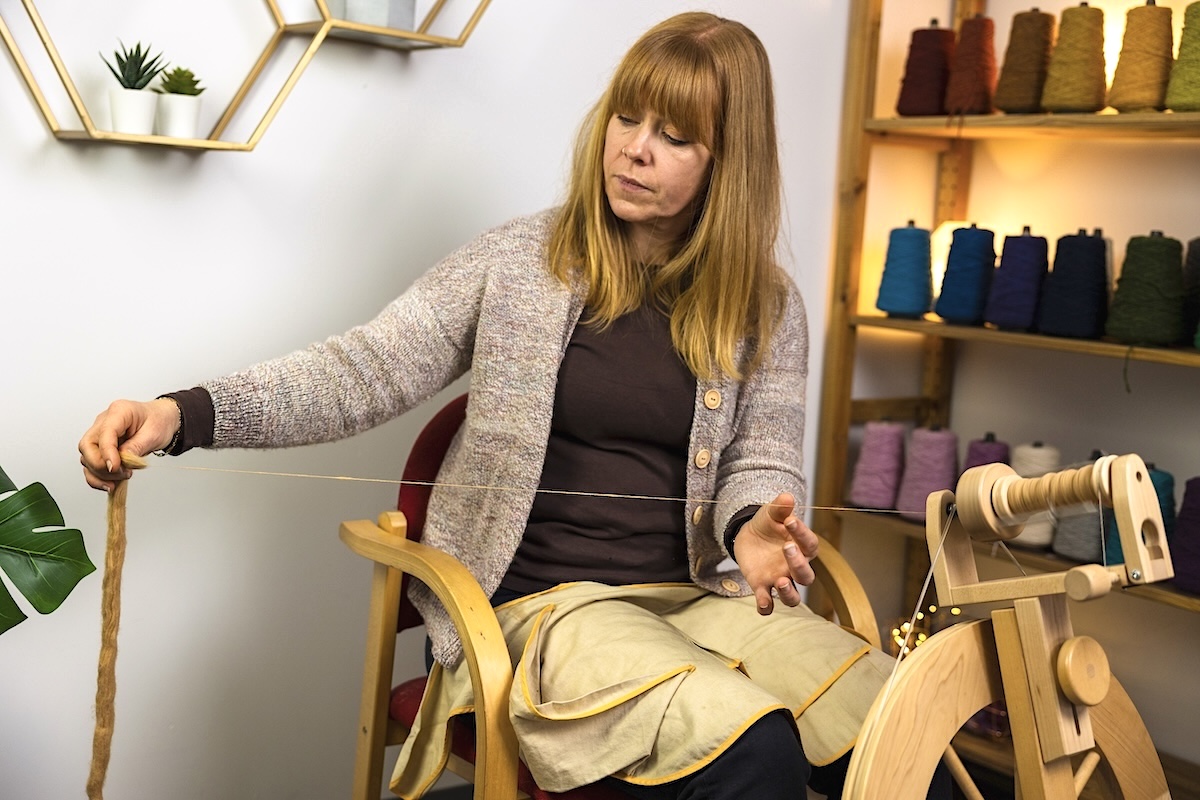
Cotton can be spun on both spindles and wheels, but setup matters. Already mentioned, think about investing in a Tahkli if you are struggling with your spinning wheel’s speed. The best approach for spinning cotton is fine, high-twist singles, and ply for strength and thickness. Fine spinning suits cotton naturally.
Supported Spindles (Tahkli) & Charkha
- Fast and efficient
- Ideal for fine yarns
- Designed specifically for cotton
- Cost effective
Spinning Wheels
To spin cotton successfully:
- Use a small whorl / high ratio
- Reduce take-up tension
- Increase speed (treadle faster)
These adjustments can feel subtle, but they completely change the spinning experience. Often, speed is the primary issue when spinning cotton. Run your fingers along the cotton fibres to assess for that prickly nature prior to winding on.
Learning the “Dance” of Cotton
Spinning cotton is often described as a dance. The yarn forms right where twist meets the fibre supply — and that’s where your attention needs to be.
You draw out the fibre gently, allow the twist to travel forward, and watch closely as the fibres lock together. Without enough twist, the yarn simply won’t hold. Stop drafting as needed to allow the twist to build up before drafting backwards to allow more fibres to draft out.
This rhythm takes time to learn. It’s one of the reasons cotton can feel frustrating at first — and incredibly satisfying once it clicks.
Remember to check whether the cotton is ‘twist locked’ by tugging on either end of the spun singles to ensure the singles won’t disintegrate and fall apart. Assess for that prickly surface between fingers. Over time, this becomes intuitive and stopping to check is no longer needed.
A lot of fluff enters the air as cotton is spun. When spinning on a wheel, be sure to oil every 20 minutes or so to keep everything moving and clean (*Gaustad, 2014). Check your manufacturer’s notes about oiling both spinning wheels and charkhas. Enclosed bearings do not need to be oiled, but the surfaces can be wiped clean of cotton fluff.
Blending Cotton with Other Fibres
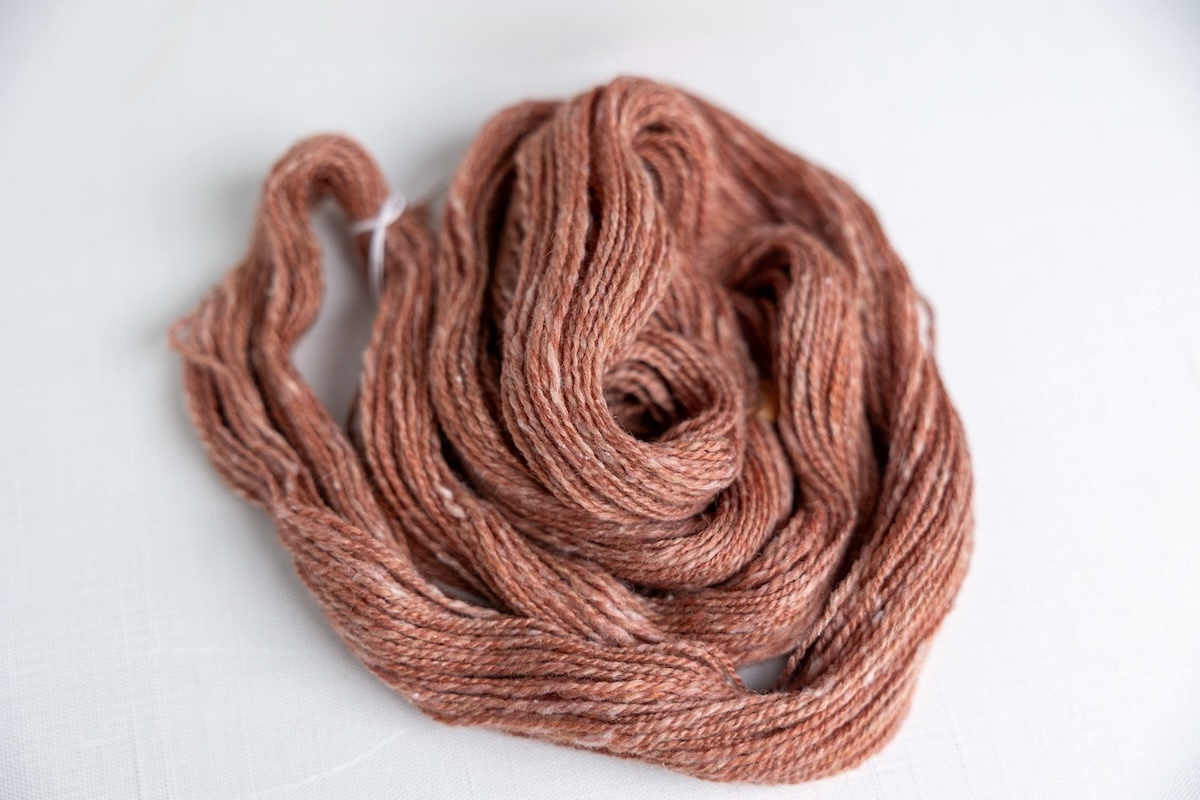
Once you’ve explored 100% cotton, blending opens up new possibilities. Cotton adds:
- Drape
- Softness
- A distinctly “planty” quality
But blending can be tricky. Work slowly to avoid stretching fibres and remember to load carding cloth (whether hand cards or drum carders) lightly.
Porosity matters. Some wool fibres have an openness — a kind of internal space — that allows cotton to settle in and blend well. Others resist it entirely. Learning to recognize this is part of the experimentation. Spend time feeling fleeces and wool that you have access to – start with your stash – and see if you can feel ‘holes’ in the fibres as you lightly rub them between your fingers. Down and down-like wools are a great place to start due to their 3D crimp that gives the feeling of space or holes that allow other fibres to blend and fill in. This is generally fleece-to-fleece, rather than breed-specific or even within a flock. See if you can find those fleeces in your stash that have a slight resistance when pulling them apart – a slight tug. This will help you get started!
Blending Tips
- Match staple lengths when possible
- Start with 10–30% cotton
- Work in small preparations (punis again)
- Sample widely
Blending is one of the most exploratory parts of cotton spinning — and one of the most rewarding once you begin to see how different fibres interact. As your comfort increases and you’ve had good results, add in other fibres as well, such as silk, alpaca or cashmere. Try a myriad of fibres to see what you like and knit some swatches from those sample yarns to gain even more knowledge.
Finishing Cotton Yarns
Cotton finishing is very different from wool. Yarns are typically:
- Simmered in hot water with detergent and washing soda.
- Processed for 30–45 minutes.
- Rinse in warm water until all detergents and sodas are removed, water runs clear.
This removes natural waxes, oils, dirt and debris, and allows the yarn to soften and become more workable.
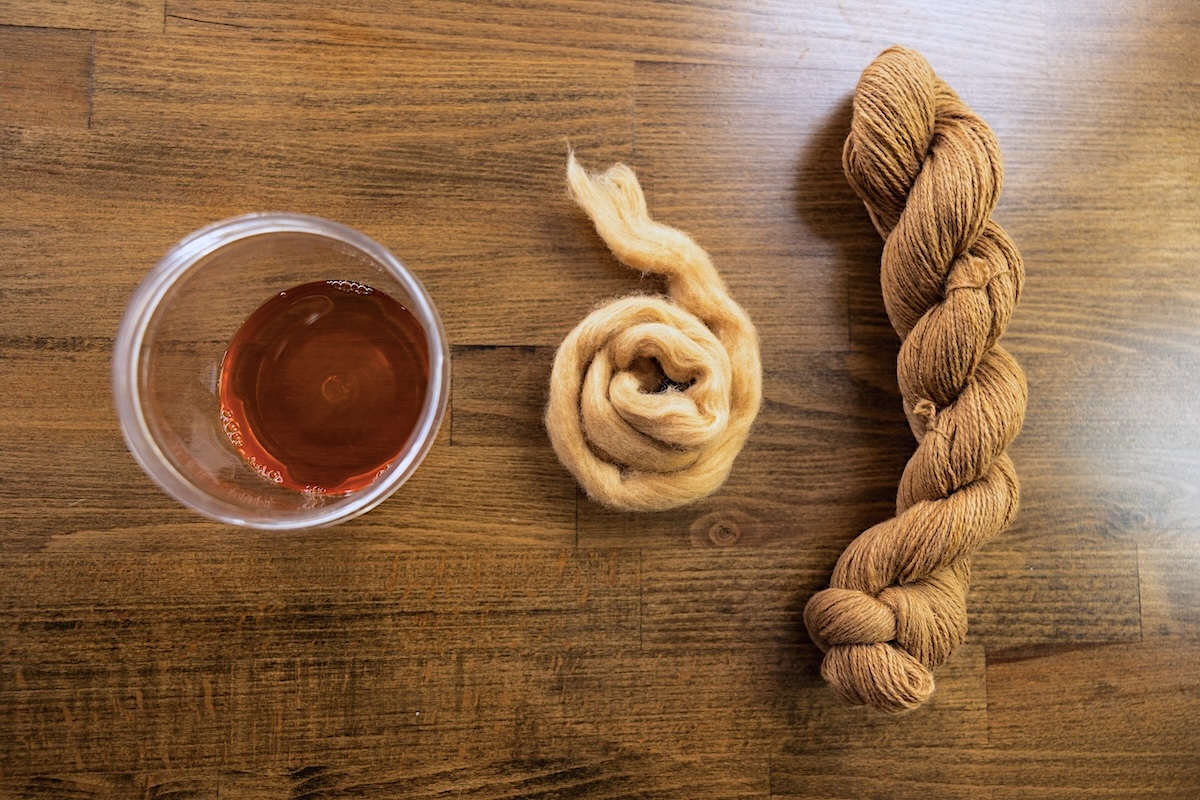
You may notice changes in colour, especially with naturally coloured cottons — another reason sampling is so valuable. The colour changes are from the changes in the pH that are caused by the washing soda (if added) and are irreversible.
We walk through this finishing process step by step in the course so you can approach it with confidence.
From Yarn to Fabric
Cotton yarns create fabrics that are:
- Breathable
- Structured
- Less elastic than wool
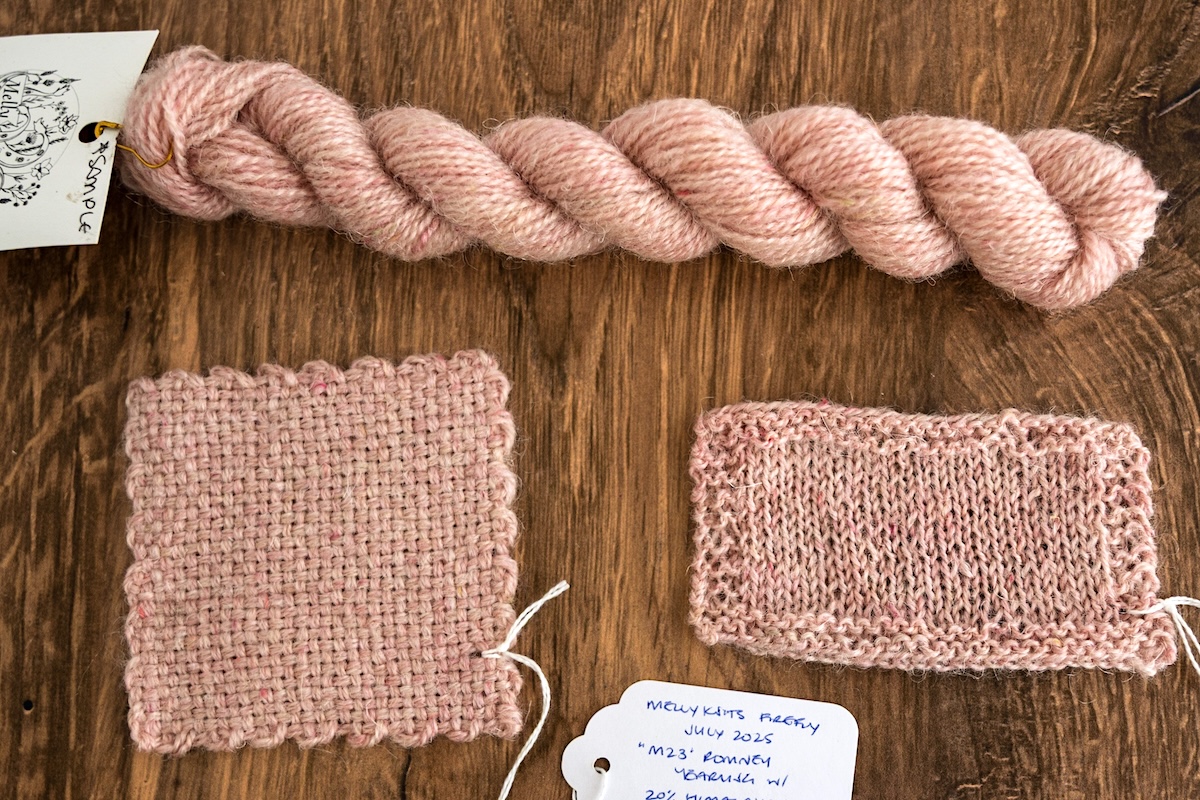
This can feel unfamiliar at first, especially for knitters used to wool’s elasticity. But cotton offers clarity, drape, and a different kind of beauty. They can be woven, knit or crocheted.
Blends can help bridge that gap — combining elasticity with softness and breathability. Be sure to sample cotton yarns and blended yarns to evaluate choices made in spinning. Fabric hand and dynamics can be quite surprising when cotton is added!
An Invitation to Go Further
If this has sparked your curiosity, consider this your starting point. Try:
- Making a few punis.
- Spinning a small amount each day, either on your spinning wheel or Tahkli.
- Experimenting with different preparations.
And if you’d like guidance as you move through that process — with demonstrations, deeper explanations, and the opportunity to spin alongside — the full Spinning Cotton course was designed to support you in exactly that journey.
Find more of Rachel’s articles here>>
Find Rachel’s Spinning Cotton course here>>
*The Practical Spinner’s Guide – Cotton, Flax, Hemp, Stephenie Gaustad, 2014 (Krause Craft)
The post Spinning Cotton: A Quiet Shift in Your Practice appeared first on SweetGeorgia Yarns.


