There is nothing quite like making our own materials for our fibre arts. Whether it is weaving, knitting, or crocheting, being able to tailor the yarn we use for these crafts not only makes the experience much richer, but it also allows us to make a yarn that will enhance the project itself.
Yes, many of us start by picking up a stunning braid of hand-dyed fibre and begin spinning. But how do we record the yardage when we are done? Why did one of the yarns pill while the other was perfect? If we don’t record our results, how do we know what changed? By recording our handspun, we will know exactly what we did before, during and after spinning.
Every month this year, we have been posting a free PDF to help everyone be more organized in their crafts, from time management to project documentation to even ways to be more efficient with travel plans. A few months ago, our post, Swap Loose Notes for Organized Records with Our Fibre Prep PDF, covered the important role fibre preparation plays in our final yarns. This month, we thought we could take it a step further with a Handspun Records PDF for our final handspun yarn statistics, including both a full sheet for detailed spinning documentation and small tags we can attach to our yarn for quick reference.
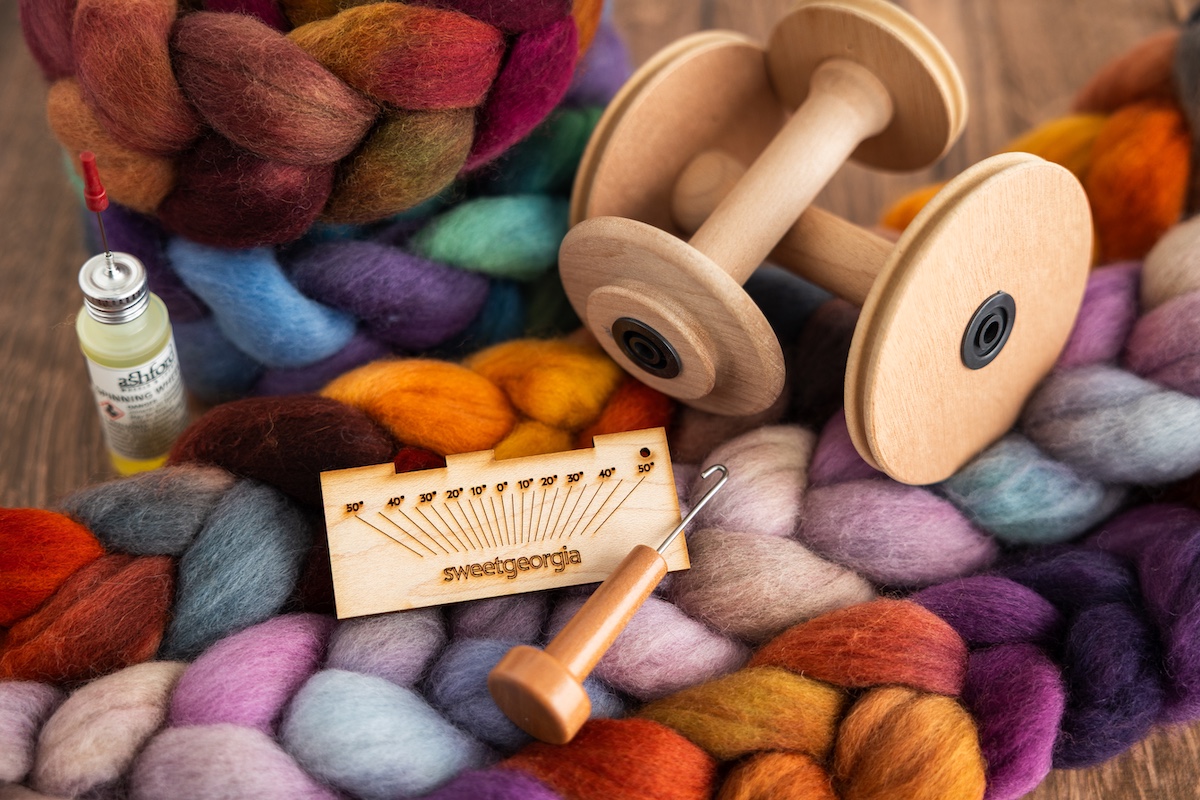
Before the Spin
There will be a bit of overlap here from the fibre prep post. We understand not everyone is interested in fibre preparation, but even just breaking the braid down by hand is worth mentioning in our spinning notes.
Fibre Type, Dyer & Place Purchased
It is always helpful to write down the type of fibre and where we got it, even if it is undyed. Everyone sources their fibre from different suppliers, and an undyed Cormo from one shop can be different from another. If it was hand-dyed, consider writing out the colourway name and dye lot, if available. Lastly, make a note of where it was purchased; whether it was a shop, or maybe it was at a fibre festival.
Fibre Prep Quick Notes
Whether we are doing a big spin project or a one-off snack spin, make a quick note about what we did. Was it carded prep, striped down for a 1:4:12 fractal, or spun end to end with no prep at all? It can even be a note that points us to more detailed fibre prep notes, like “Falling Leaves Colourwork Yoke Project.”
Spinning Equipment
Some people have a few wheels/spindles/e-Spinners and find each one is better suited for certain styles of yarn. You can write down the whorl size and type of spinning wheel, the speed setting on an e-Spinner, or the spindle style being used.
Extras
It is always nice to jot down any extra ideas, like the date started or the intended purpose. Whatever feels important to note before the spin.
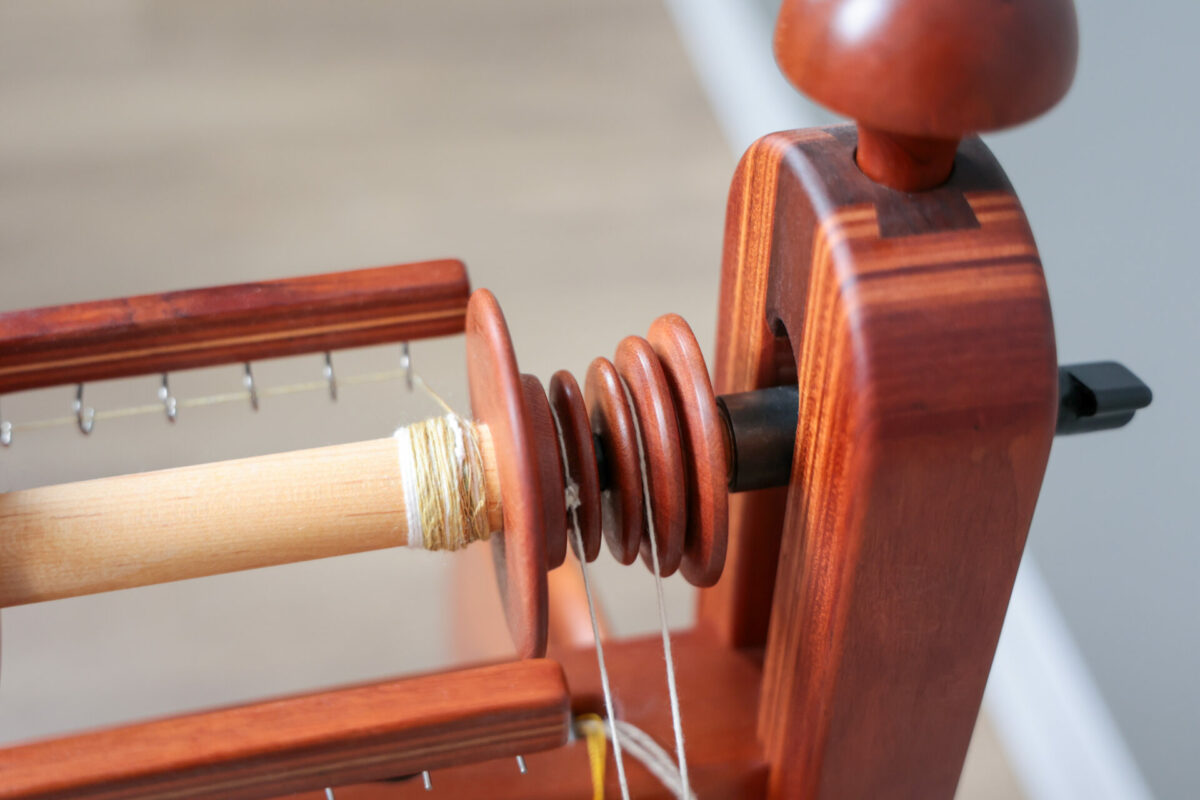
During the Spin
When we begin spinning, there are a few things we can do to keep ourselves on track with our spinning goals.
Big Spin Checks
If it is a larger project, it is a good idea to spin a small sample (maybe 5 g or so) to ply and wet finish so we know exactly how the yarn will turn out. We don’t want to get through a pound of fibre only to realize it won’t work for our project.
Whether it is a large amount of yardage or fibre, it is worth stopping to take an arm’s length off and attach it to a card. It is common, once we get comfortable with our yarn, for it to become thinner or thicker, so stopping to reference this card can really help. Here we can check the wraps per inch and have a real sample to refer to throughout the spin.
Small Spin Checks
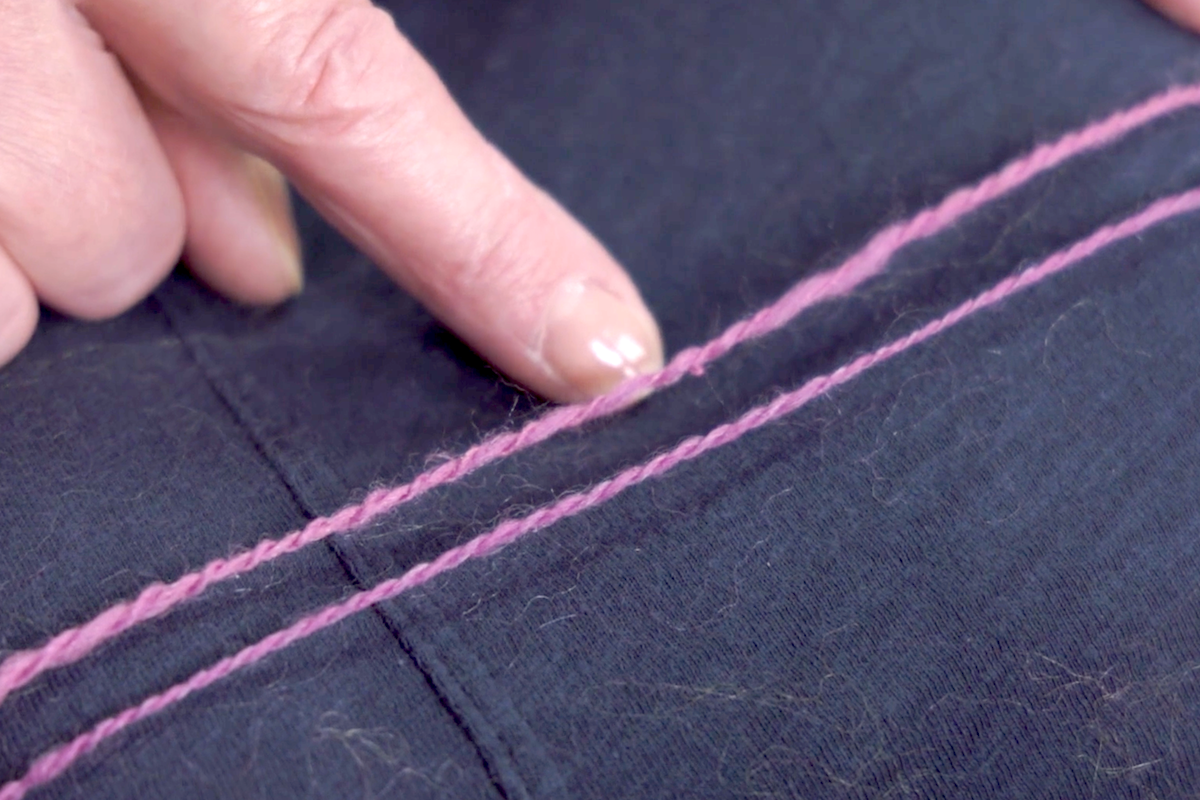
When spinning a single braid of fibre, we may not want to spin off singles onto a card. It will only take a gram (or less) of fibre, but if it is just a fun snack spin with no project in mind, why take the time? We understand. But it is still worth stopping and doing a quick plyback check to see what the wraps per inch is throughout the spin. We offer a free Wraps Per Inch download, and all we have to do is line up our singles and measure them against the lines.
After the Spin
Now that the spinning is done, or the sample is spun, we can record a few things to help with future project planning. If it is a sample, this is where we can make adjustments if there is a specific grist in mind. If there is no project planned, this can help decide how best to use it.
Wet Finishing
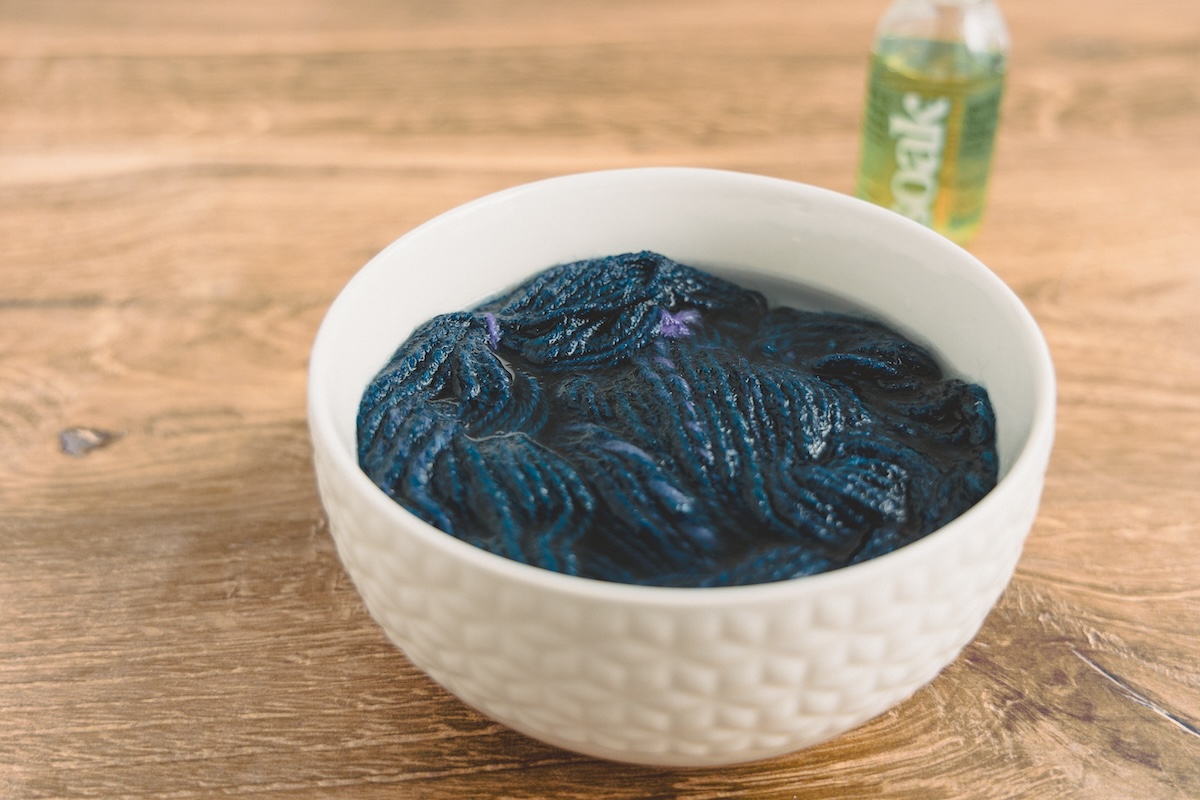
How we finish our yarns can have a big effect on the final result. That is why it is important to take these measurements after it is wet finished. It is also good to note how it was washed. Different methods can affect the outcome. Was it hot water or cool? Any agitation? Was it snapped or thwacked? Did the yarn bleed when washed? Also, some people like to record before and after washing, noting any changes in feel and look.
Wraps Per Inch
Wraps per inch (abbreviated as WPI) measures the thickness of the yarn. Don’t get discouraged if it measures 20 wraps per inch and the internet says that is fingering-weight, when it looks like lace-weight. Everyone wraps a bit differently and uses slightly different tension. If pairing this yarn with another yarn, just compare their wraps per inch directly.
Yardage
It is always exciting to find out exactly how much yardage we have spun. After years of spinning, it may begin to feel easy to estimate yardage, but nothing quite matches knowing the exact number.
Weight
It may feel obvious to start with a 100 g braid that we will finish with a 100 g skein, but that is not always the case. Maybe the fibre had a bit of lanolin that washed out, or lost a few grams during prep, or while winding off the bobbin. Whatever the reason, it is common to lose a small amount.
Yards Per Pound
By taking the yardage, dividing it by the weight, and multiplying by 454, we can calculate yards per pound. This tells us how dense our yarn is. Worsted yarns are more tightly packed, while woollen yarns are loftier with more air.

Measuring Twist
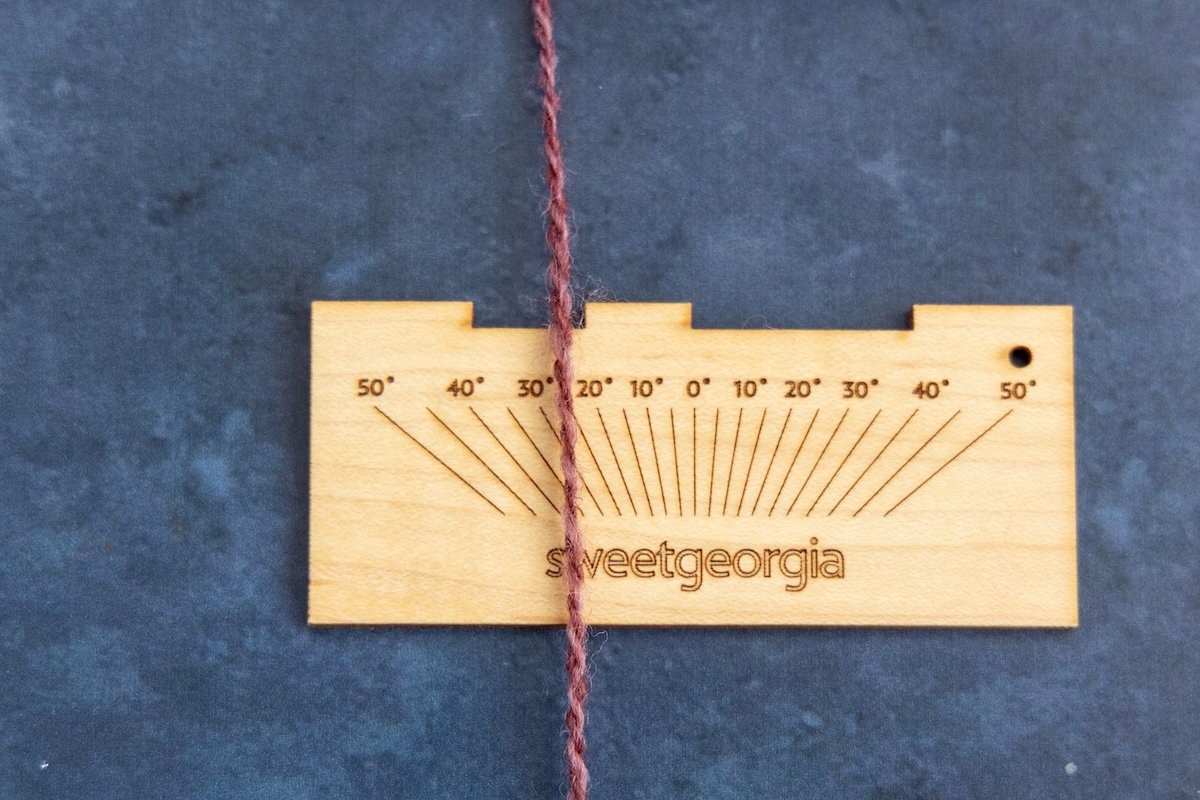
We see this done in a few ways: bumps per inch, twists per inch, and angle of twist. They all do the same thing, just slightly different ways; they all measure the twist in our yarn. Whichever method is chosen, consistency is key in how we record it.
Elasticity
Stretch the yarn over a ruler and measure how much it extends past the 10-inch marker. If it grows by one inch, some consider that 10 percent elasticity. The amount of tension and slack will affect results, and similar to checking our WPI, our measurements can differ from person to person. As long as we are consistent in how we measure this for ourselves, we will have a useful comparison over time.
Extras
We can include anything that feels useful for future reference. It is also helpful to note intended use if it is not already planned, such as “spun for hat or scarf, next to skin” or “best for durability and drape, like a table runner.”
Support & Resources
Having the right support helps when deciding if a yarn suits a project or how to adjust our spinning in the future.
School of SweetGeorgia
With over 20 spinning courses, ranging from fibre types and spin control to fibre prep and tools, there is something for everyone at the School of SweetGeorgia. Many of our courses dive deeper into each topic discussed in this post, allowing for more specific documentation in our projects.
SweetGeorgia + Co
Having a community to connect with is always helpful. Whether we are looking for answers or simply sharing a finished spin, support and encouragement can make a difference in our spinning journey. We hope you will join us at SweetGeorgia + Co.
Final Thoughts
Not everyone measures all of this. Choose what feels meaningful to you. You may find that yardage, weight, and WPI are enough, and maybe down the road, you add more. The goal is simply to offer guidance on what you might consider when recording your handspun yarn. This way, you can recreate yarns you love or adjust future results. Do what feels right for you. There is no single correct approach, only what works for you. Also, don’t forget to visit older project notes; you may see how your spinning changes over time!
Free Handspun Records PDF Download
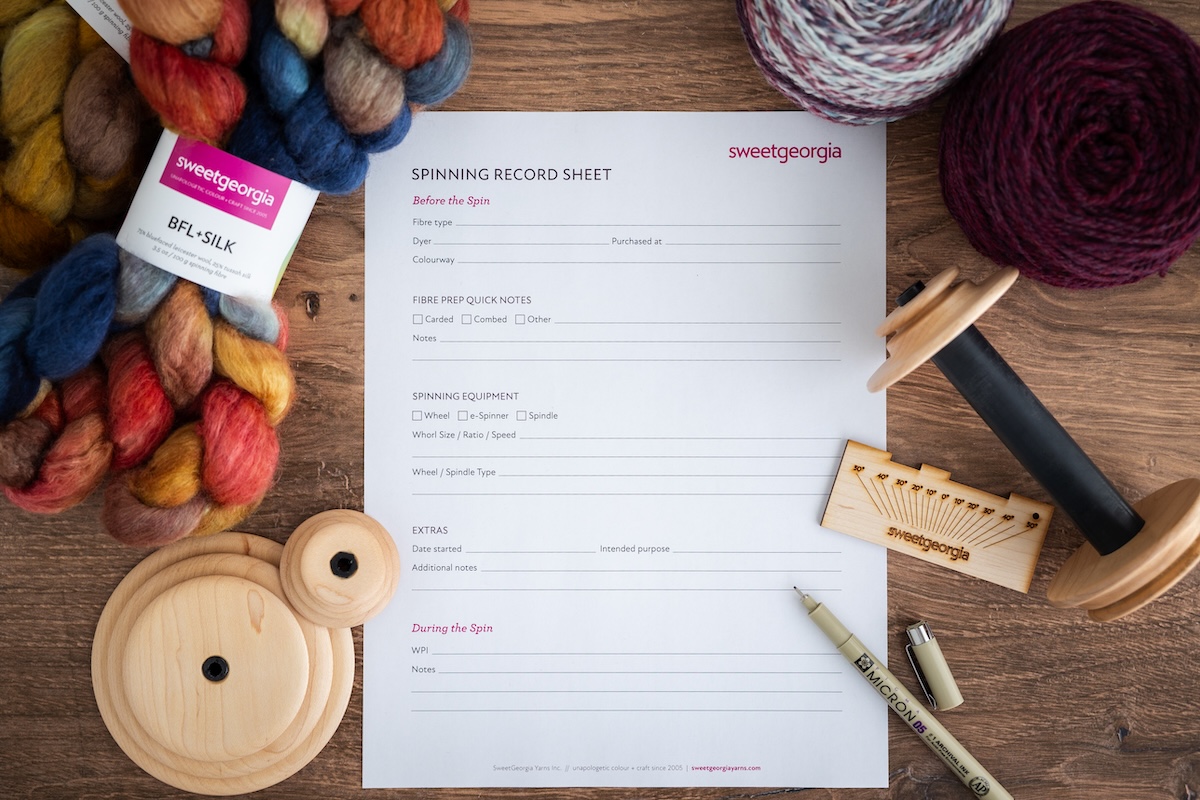
Below is a free Handspun Records PDF for you to download. One page is a full sheet for detailed notes, and the other includes mini tags to attach to your handspun yarn. You can use shorthand notes that reference your full sheet, or include as much information as you need on the tags. You may even choose to attach them to the fibre prep notes we shared a few months ago. We hope you find it helpful!
The post Recording Your Handspun Projects Shouldn’t Put You in a Twist appeared first on SweetGeorgia Yarns.