
How do we decide which carding tools are right for the job? Can one tool do it all, or do you need separate tools for each step of the carding process? Let’s take a closer look at all these fibre preparation tools and what we can use them for.
Safety first: remember to check that your tetanus shot is up to date. When preparing fibre, we are dealing with equipment that can nick your skin; better safe than sorry.
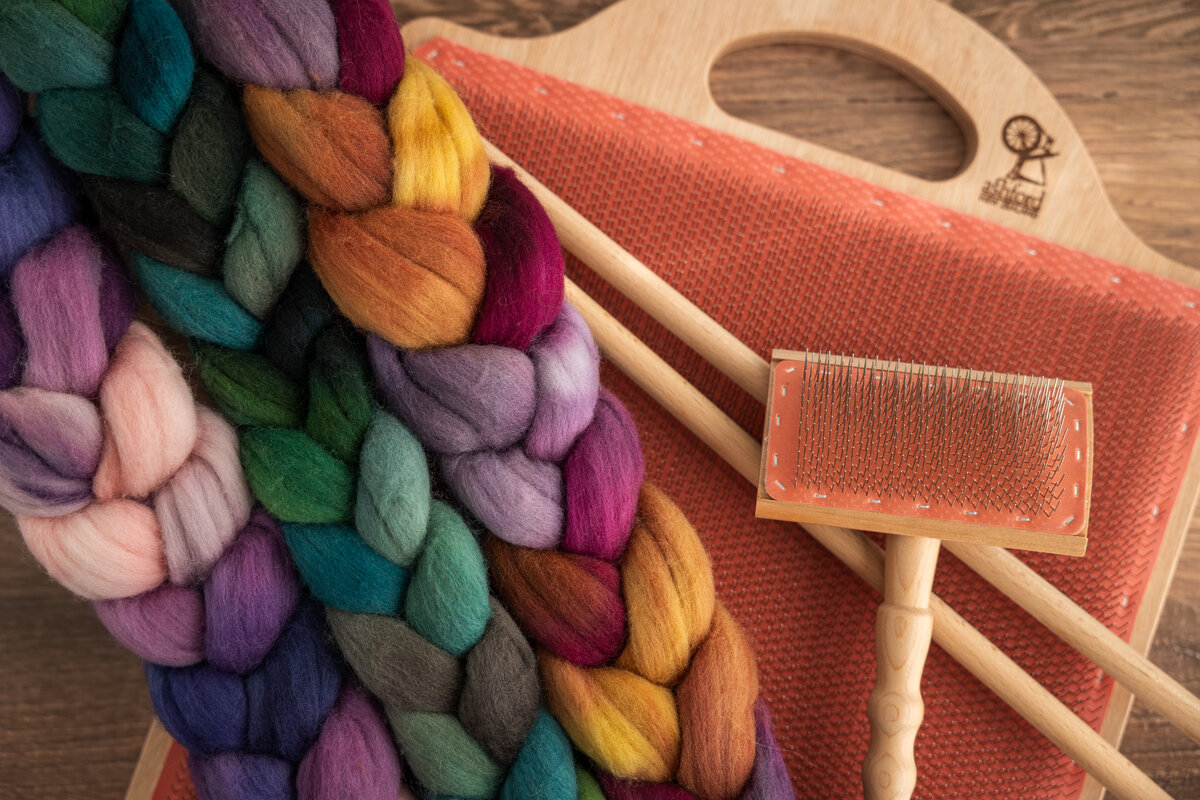
What are Carding Tools
These tools have carding cloth, which is made up of groups of staple-shaped wires (teeth) that are inserted in columns and rows at regular intervals through the underside of a flexible backing cloth. There are many different types of carding tools on the market.
What is Teeth Per Inch (TPI)
Teeth per inch is how far apart each of the staples is set on the cloth.
- 72 TPI, which is the most common, is ideal for medium wools and blending.
- 112 TPI are recommended for finer wools, like Merino.
- 200 TPI, also known as cotton cards, work quite well for shorter fibres, like cotton, cashmere, camel, yak, qiviut, and short-stapled wool.
Carding Tools
Flicker
The simplest and most affordable carding tool is the flicker. These are used to open up locks of wool. You can either spin them right away or use the wool later for further carding or combing. Flickers are not usually used with commercially processed fibre.
Lock Pop
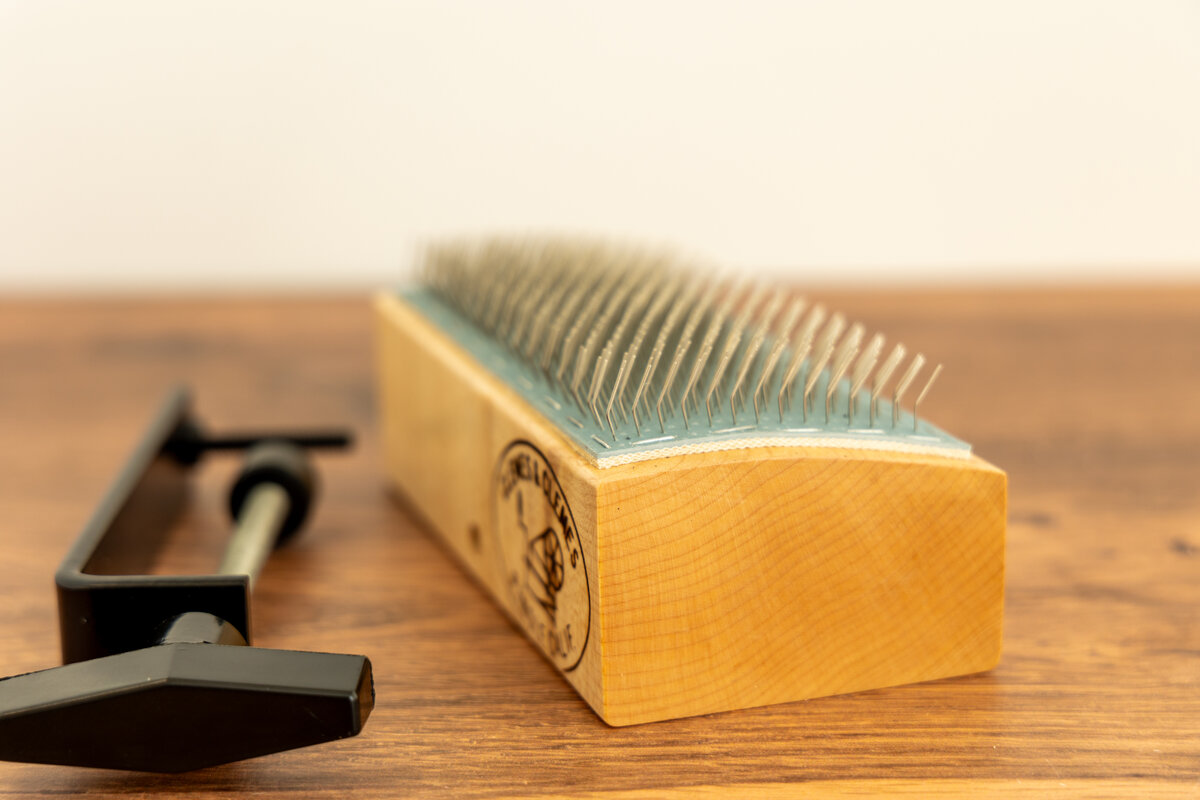
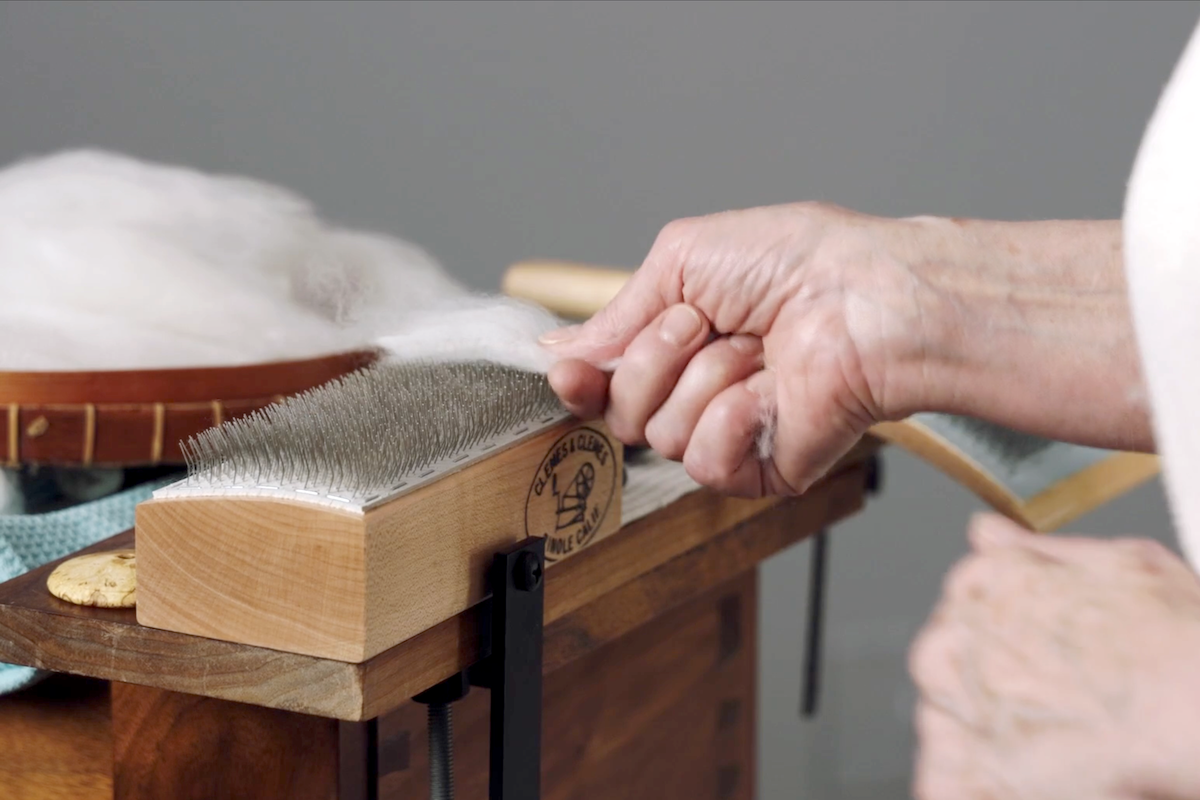
A relatively new tool to the market, the Lock Pop is a block of wood with carding cloth on the top that can be clamped to a surface. It is designed to “pop” open locks of fibre, similar to a flicker. The teeth on the Lock Pop are longer and stronger than those of a standard flicker.
Hand Carders
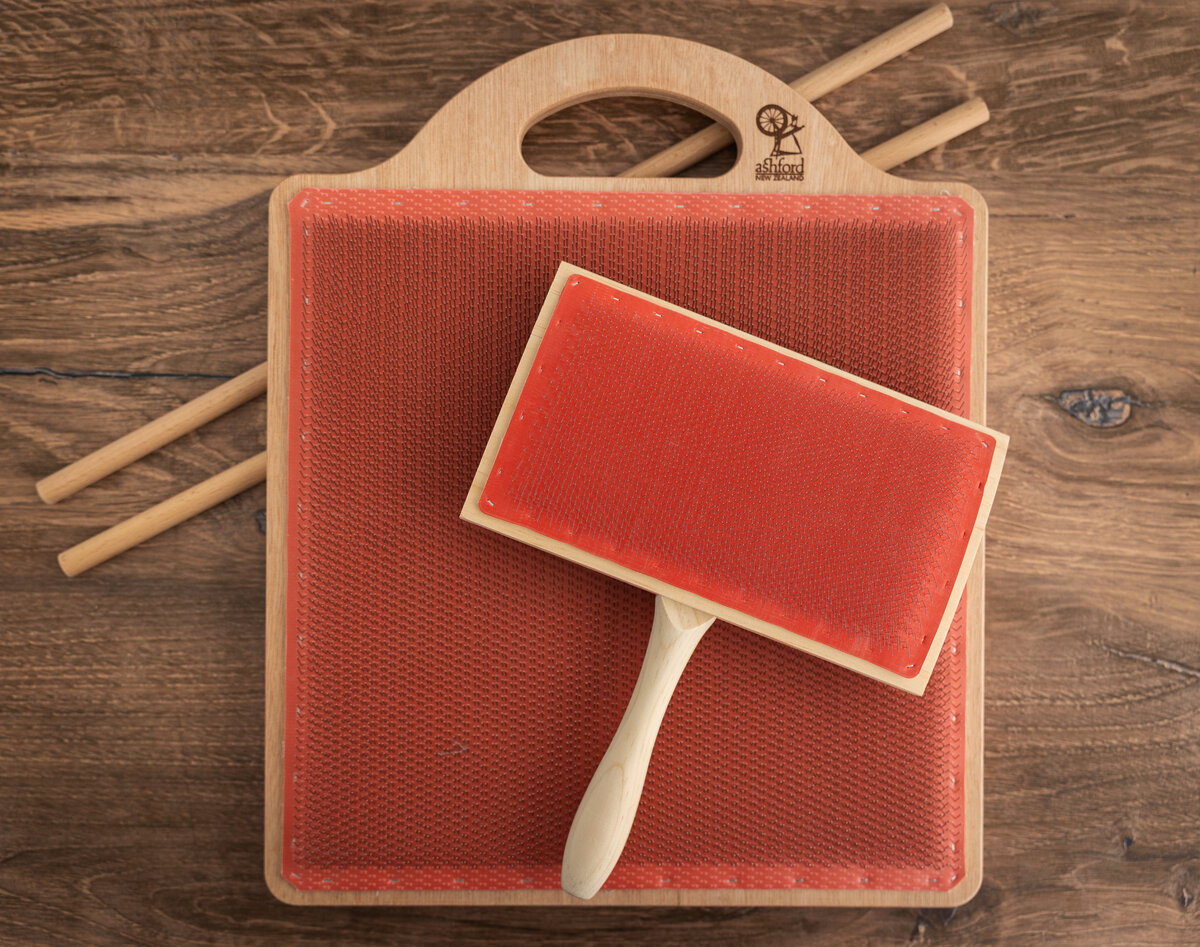
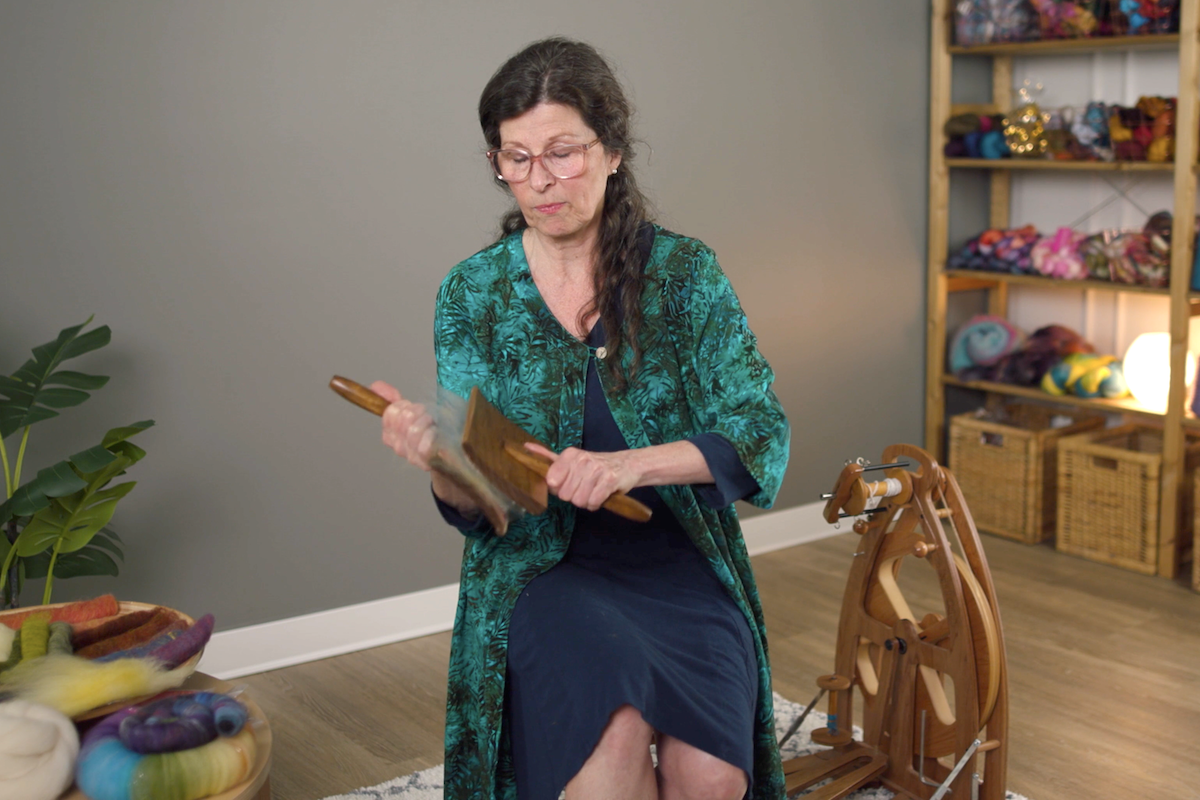
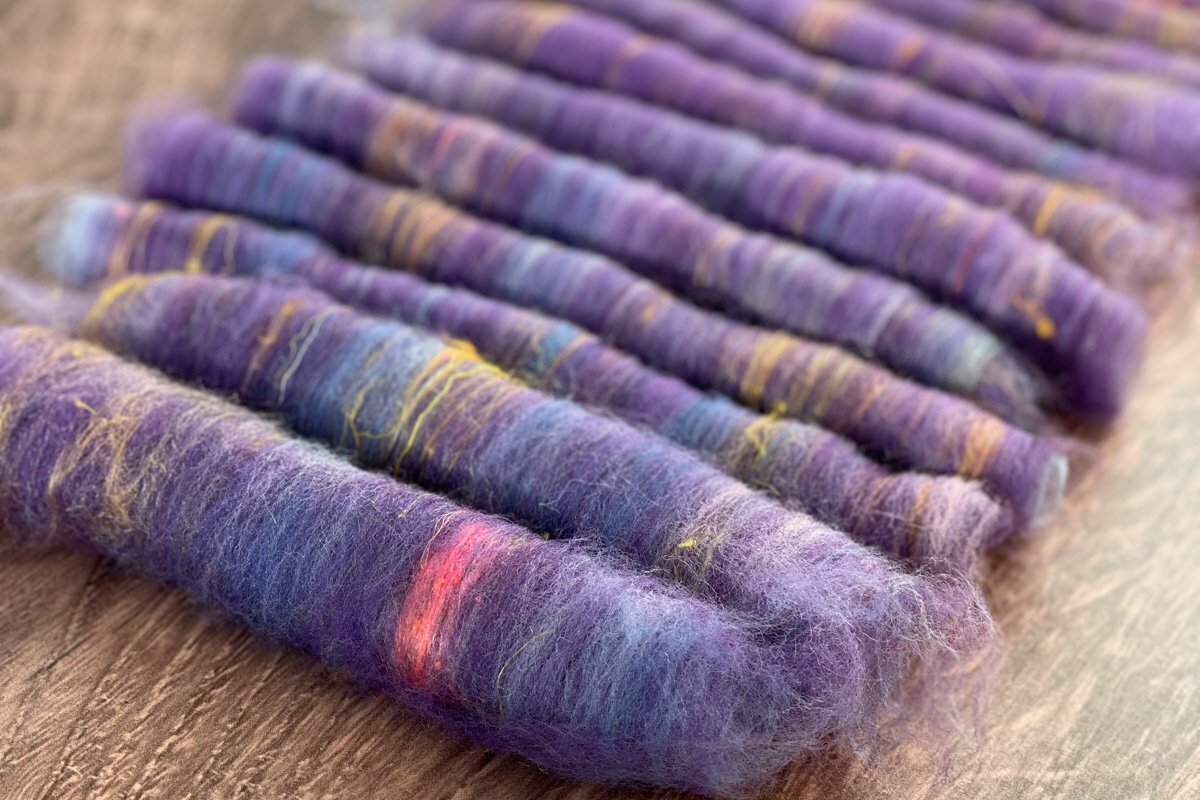
Hand carders come in a pair and are designed to be held, passing the fibre from one hand card to the other. Hand Cards can also be used to prepare rolags and punis. These carding tools are ideal for fibres that are 4 inches and under.
Blending Board
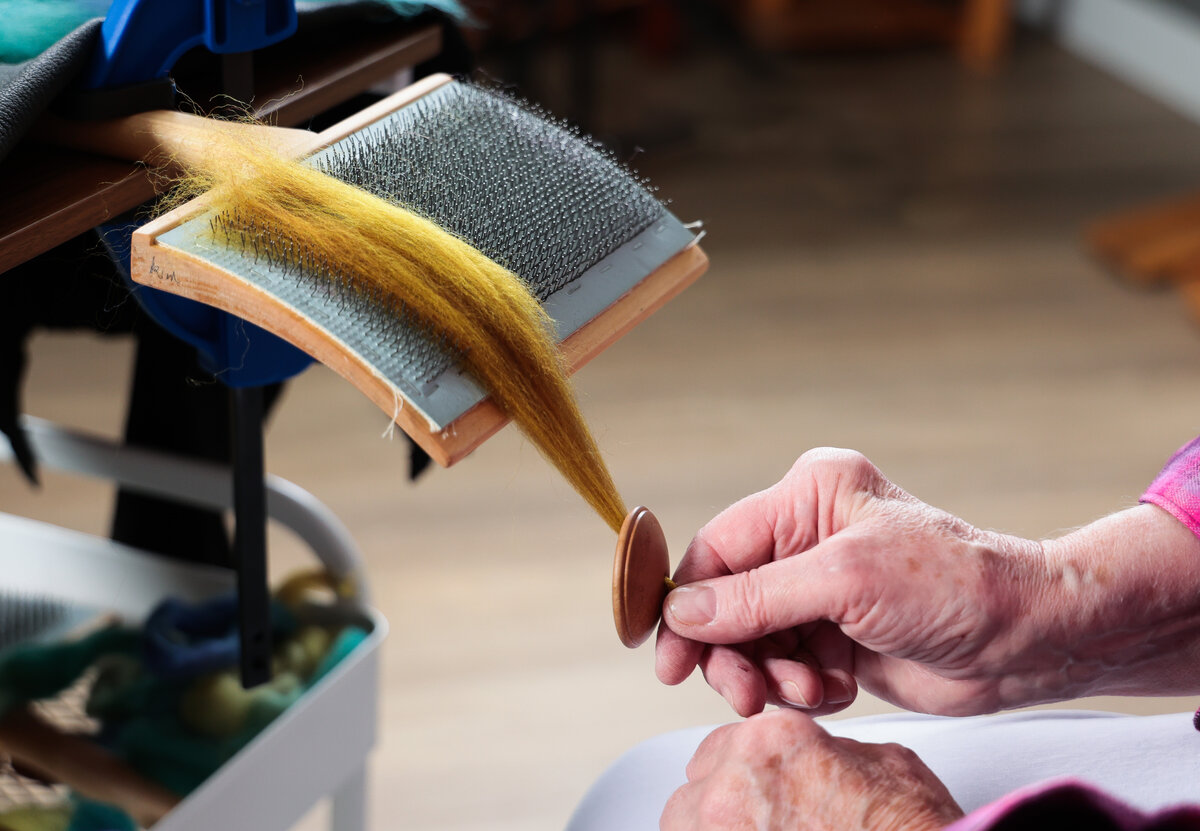
Blending boards are rectangular or square boards covered with carding cloth, and by layering different fibres on top of each other, you can either roll them off the board as rolags, lift the fibre off as a batt, or diz the fibre off as roving.
Drum Carder
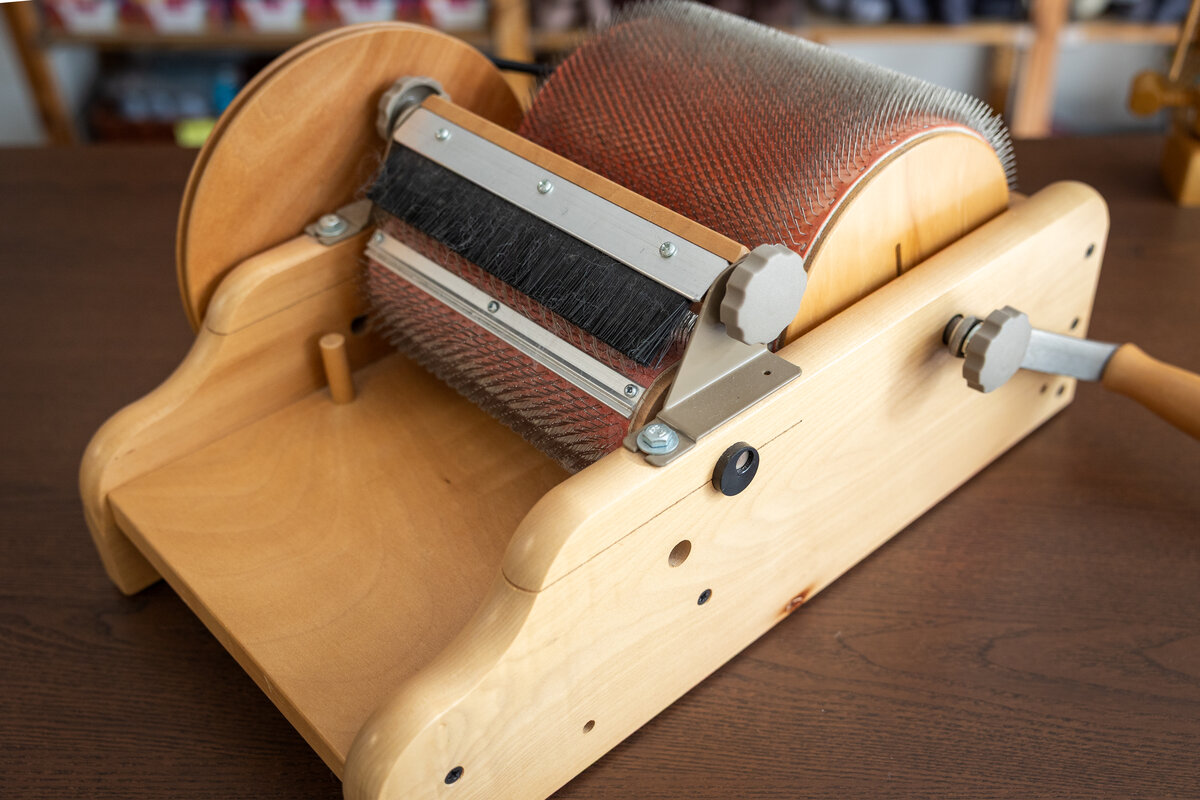
Drum carders have rotating drums covered in carding cloth that align and blend fibres. There are hand-powered and electric models. Fibres are placed on a feeder tray or can be added over the rotating drum. Drum carders can process and blend more fibre than any other carding tool.
Which the Tool for the Job
Scoured Locks
A flicker is the most portable and accessible option. A Lock Pop would give you a more ergonomic option. You can also use the edge of a blending board to open locks!
Sampling Blends
For sampling colour or fibre blends, hand cards are excellent for sampling efficiently, whether rolags, hand-pulled or dizzed roving. You could also use your blending board or drum carder for blends; just use a quarter of the surface.
Process Large Amounts of Clean Fleece
If you want to process a large amount of clean fleece, the drum carder would be the most efficient tool.
Making Larger Blends
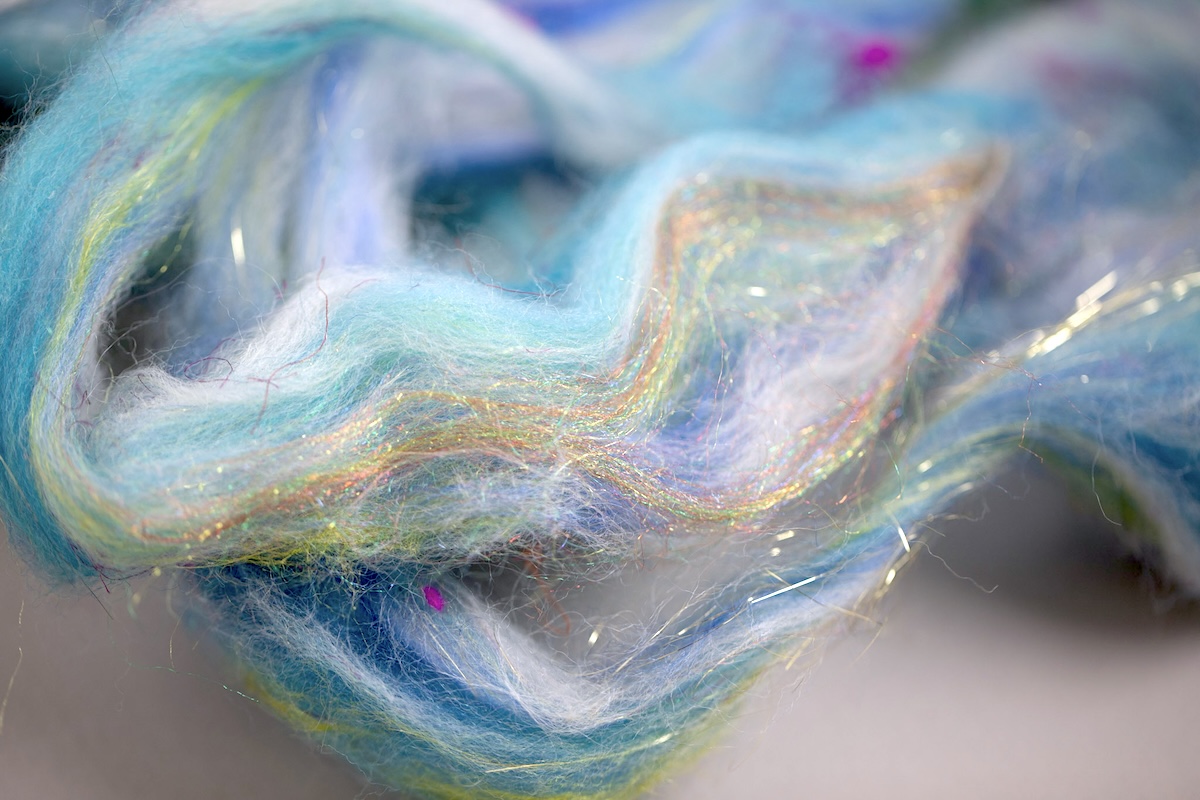
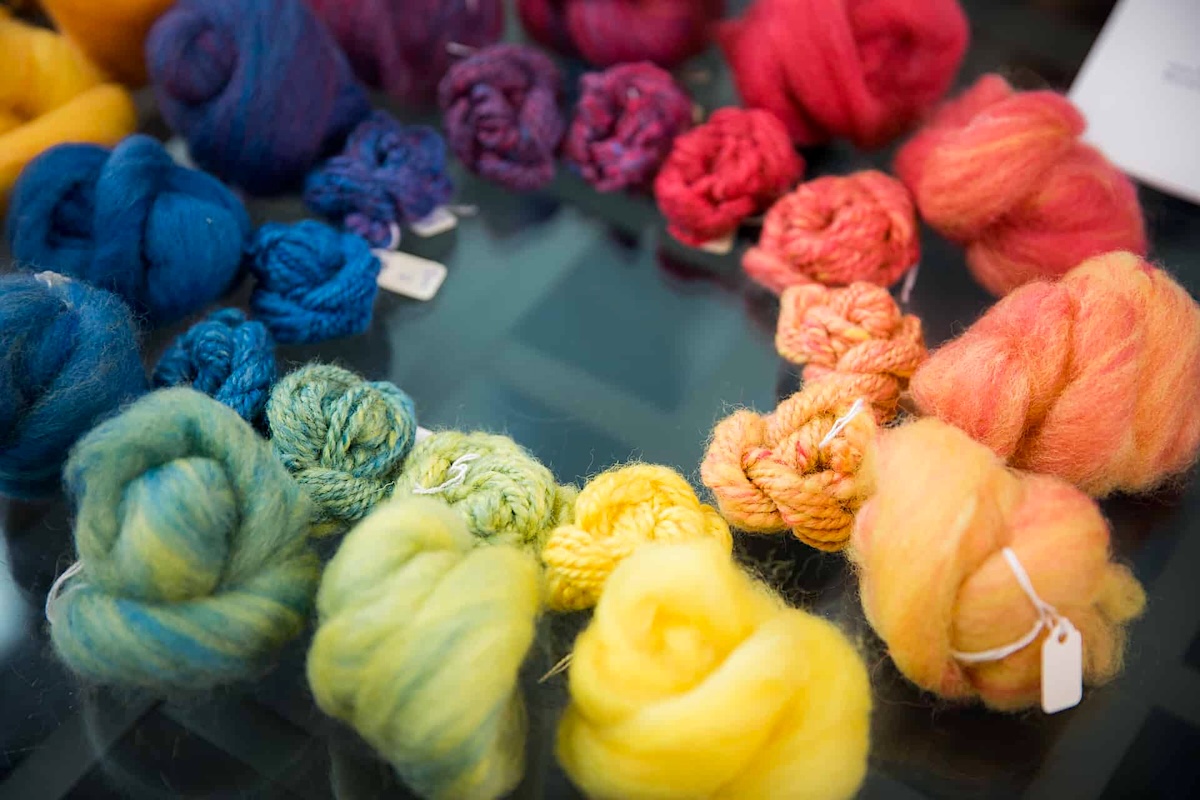
Blending boards can process more fibre and can be gentler than hand cards or drum carders on the fibres. For a more thorough blending, you may need to do a second pass through the board.
Drum carders can process even more fibre. Additional passes through the drum will blend fibres and colour with ease. Make sure to work slowly, which will help the fibres not to become damaged (cause neps).
Make Rolags
Hand cards will produce traditional woollen prep rolags and are made one at a time. These rolags can be rolled off, or you can use dowels. The blended fibre can be rolled out from the top to the bottom of the hand carder for a woollen prep, or rolled out from left to right, keeping the fibres aligned, for a semi-worsted preparation.
Blending boards will produce 3-5 rolags per board loading. Usually, dowels are used to roll the rolags off.
And with drum carders, we can use dowels to lift and roll the fibre off the main drum as rolags. The amount of rolags is dependent on the size of your drum carder.
Turn Combed-Top into Carded Roving
Take either a clamped hand carder, a blending board, or a Lock Pop to hold the combed top while you diz the fibre off the carding cloth.
Final Thoughts
Whichever tools you have access to, with a bit of intention, the more you use them, the more proficient you will become. Time spent preparing your fibre will not only make you more acquainted with your fibre tools for your next project, but it will also prepare you for a better spinning experience. How lucky we are that we get to spend time with these beautiful crafts!
I hope you enjoy fibre preparation as its own craft in your multicraftual journey. Join us at the School of SweetGeorgia, and please share your explorations with us at the SweetGeorgia Community.
Find more of Greta’s articles here!
The post The Many Ways We Can Use Carding Tools appeared first on SweetGeorgia Yarns.


