
Recording information about our handspun helps us understand how much yardage we have, how thick it is, and how much it weighs, but fibre preparation deserves the same amount of attention. We often remember whether we spun from carded fibre, rolags, or combed top, yet two carded preparations from the same sheep breed can produce very different results. Why is this? Small changes in our fibre preparation often explain why. Having organized records not only helps repeat results but also helps to plan for future projects.
Fibre preparation has become so popular that it’s a hobby in itself. Commonly, when we think about fibre preparation, we think of working with raw fleece or changing fibre from worsted to woollen, but fibre preparation (often referred to as fibre prep) is so much more. It can also include blending different types of fibre, playing with colour, or finding ways to make spinning more enjoyable. We explore all these ideas below.
Each month throughout the year, we will share free PDF downloads to support your fibre arts journey. This month focuses on fibre preparation, and we hope our Fibre Prep PDF becomes a helpful companion in your planning.
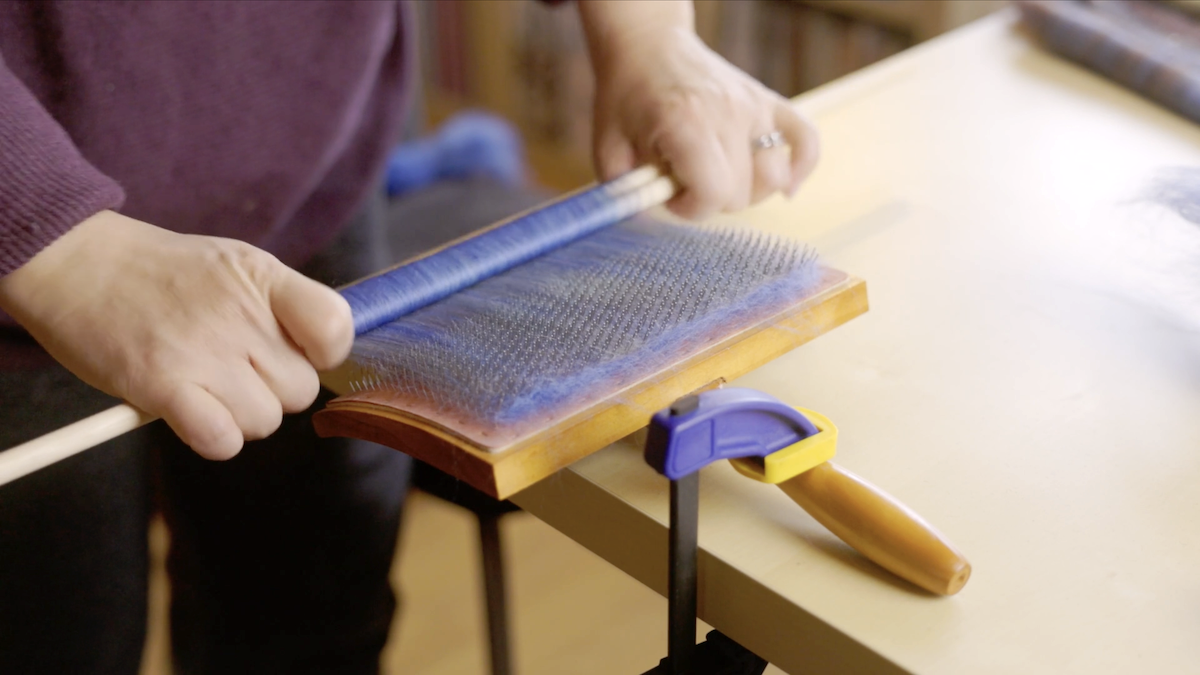
Secrets to Perfect Rolags on Blending Boards & Hand Cards post.
Know Your Fibre
It is not necessary to document everything you can find about a fibre, but noting a few key details is helpful since no two fibres (even from the same breed) are the same. And you do not need to work with raw fleece to gather this information. Even a hand-dyed, combed top braid can give all the information you may need.
Type of Fibre
What kind of fibre is it? Sheep’s wool, goat hair, silk, or cotton? Are you working with multiple fibre types? Is it already a blend of different fibres, or will you be making a blend yourself?
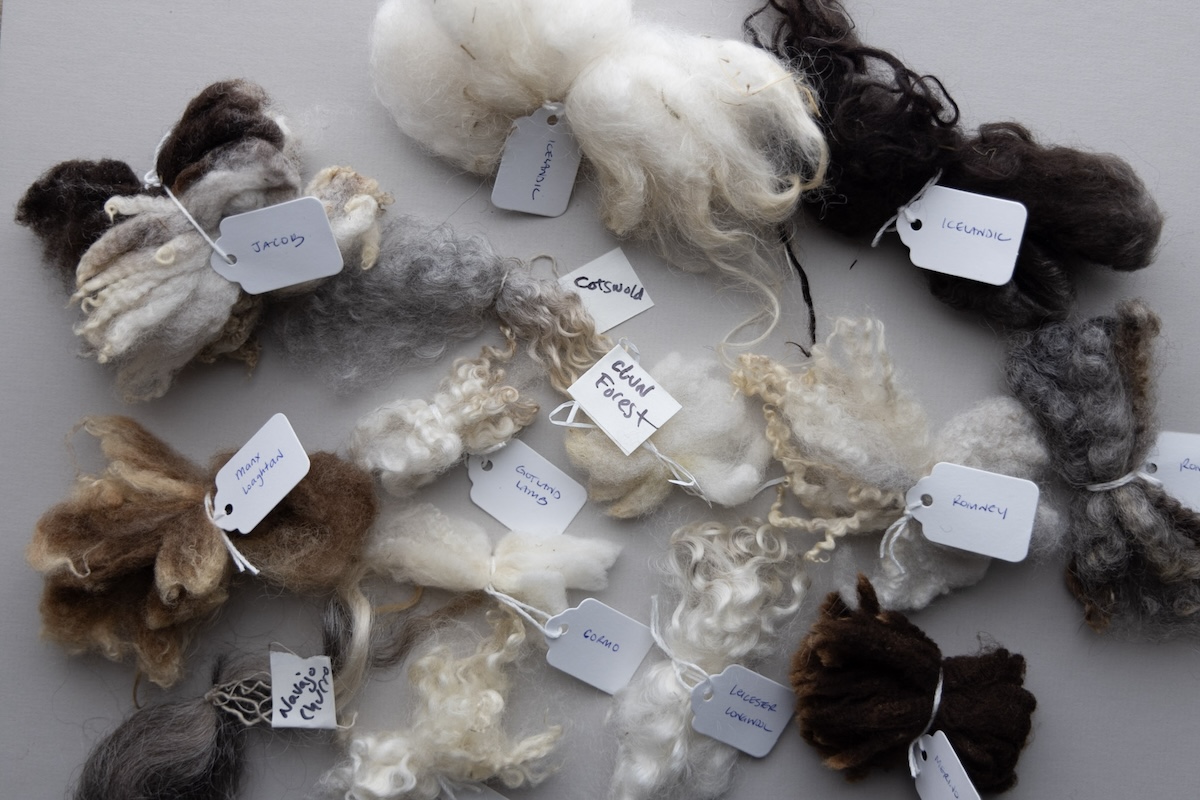
Breed or Species
Many of us love spinning wool, but what kind of wool are you spinning? Are you working with Shetland wool, Tussah silk, or Himalayan nettle? Knowing the specific breeds (or species) can provide valuable information since not all fibre is the same. An example: Merino wool can easily be felted, while this is much harder to do with Cheviot wool.
Staple Length
Staple length varies from animal to animal and plant to plant. Polwarth can range from 4 inches to 6 inches, depending on the animal and when it was shorn. If you don’t have raw locks, you can pull out some of the fibre from the combed-top or carded batt to check the staple length.
Blends
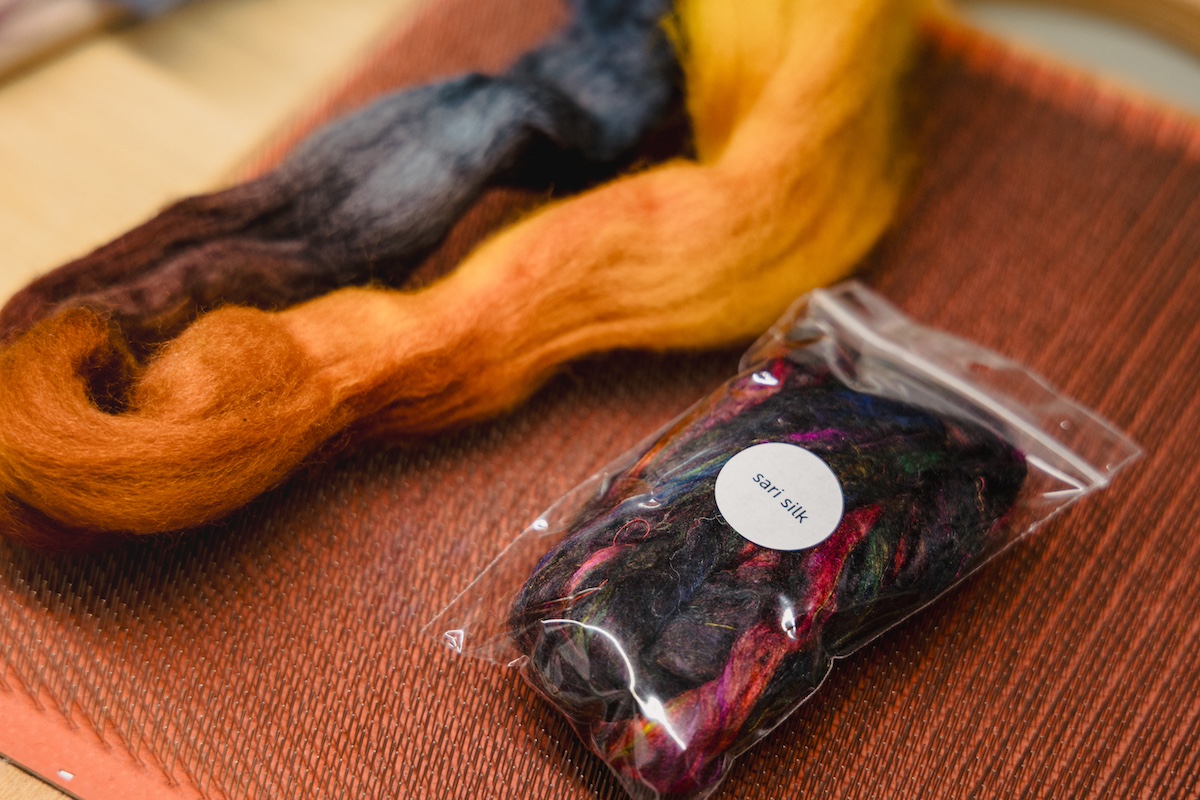
Making fibre blends is an excellent example of fibre preparation. This might be a small amount of stellina for sparkle or mohair for strength. And recording fibre percentages is especially helpful. Documenting your blends will help you zero in on blends that perform the way you want, or avoid similar blends in the future. Example: 5 percent silk creates just the right amount of sheen for your project, but 20 percent may feel too challenging to spin.
Additional Notes
This is a space for anything else you notice. Are the tips stained or brittle? Even if the breed is known for softness, does this batch feel rougher than expected? Is the braid compacted or falling apart? If your project is more colour-focused, what colours are in the hand-dyed braid? Write down anything you feel might be relevant to your project.
Starting Point
Everyone begins from a different place. Some start with raw fleece straight from the farm, while others begin with hand-dyed combed top. The earlier your starting point, the more information you may want to record.
Raw Fibre
Skirt & Scour
Did you skirt the fleece yourself? Did you separate it by length, colour, or location on the animal? Wool quality changes across the fleece, and while that may not matter to everyone, it may matter to you.
Did you wash it yourself? How did you scour it? Suint, small batches, or lock by lock? Did you align the locks before washing and keep them in order, or did they go into a laundry bag together?
What detergents or soaps did you use, and for how long did they soak? Sometimes lanolin reattaches when in the water for too long. Hair fibres such as alpaca do not contain lanolin, but they often hold more dirt due to dust bathing. Writing down how you scoured, what you used, and the result you got helps you recreate fibre that feels good to spin.
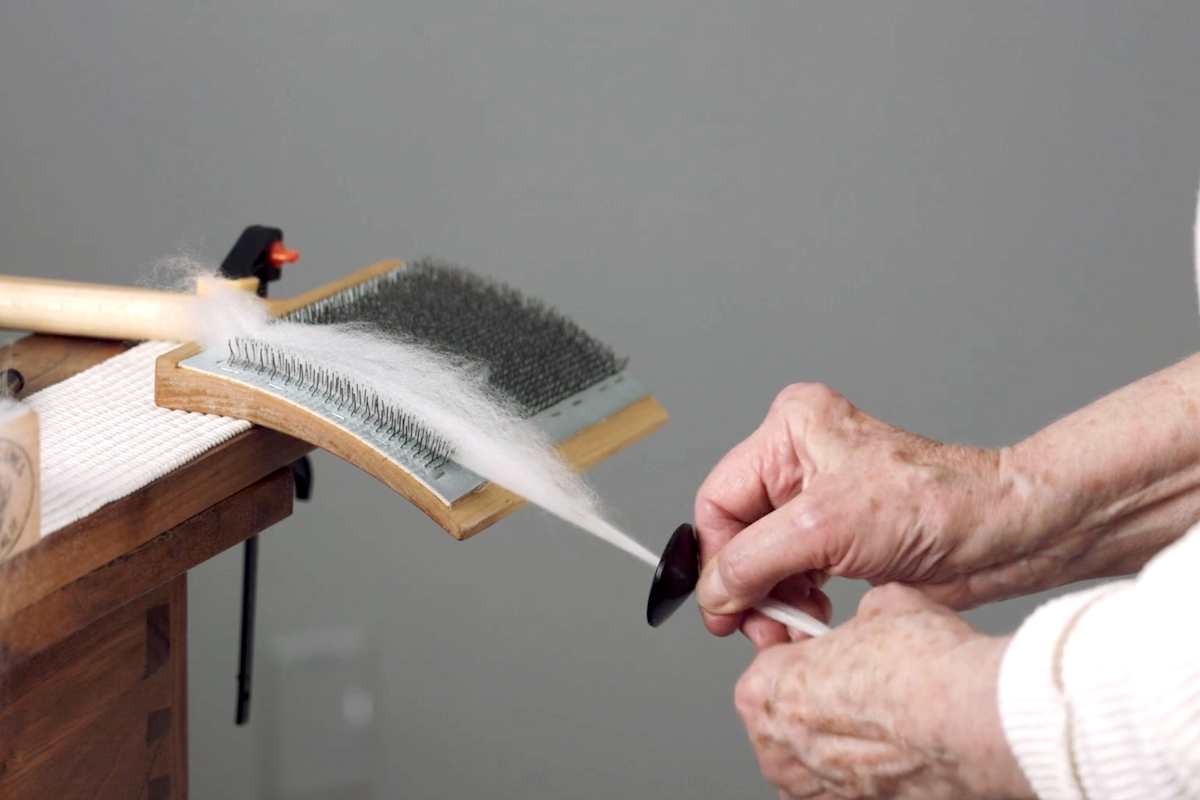
From Locks to Loft: Carded Roving from a Diz & Hand Card
Additional Information
How do you plan to pre-prep the fibre? Will you open it by hand or use a flicker? Tools such as a Lock Pop or lock picker also create slightly different results. Comparing fibres prepared in different ways helps you discover the fibre you prefer to work with.
If you know it, you may also want to record when it was shorn. Lanolin age can sometimes affect how wool behaves, whether it is freshly shorn or has been sitting for a longer period. Other times, it makes no difference at all. Each fleece is different, but it is worth noting if you may be working with that fleece or breed again. Storage is also worth noting. Did the fibre have room to breathe, or was it stored compacted?
Some people also like to record the farm, the animal’s name if known, the cost of the fleece, the weight before scouring, the weight after scouring, and the weight after processing. This can reveal the true cost per pound of usable fibre, another valuable piece of information when processing fleece of the same breed (or just the same animal year after year).
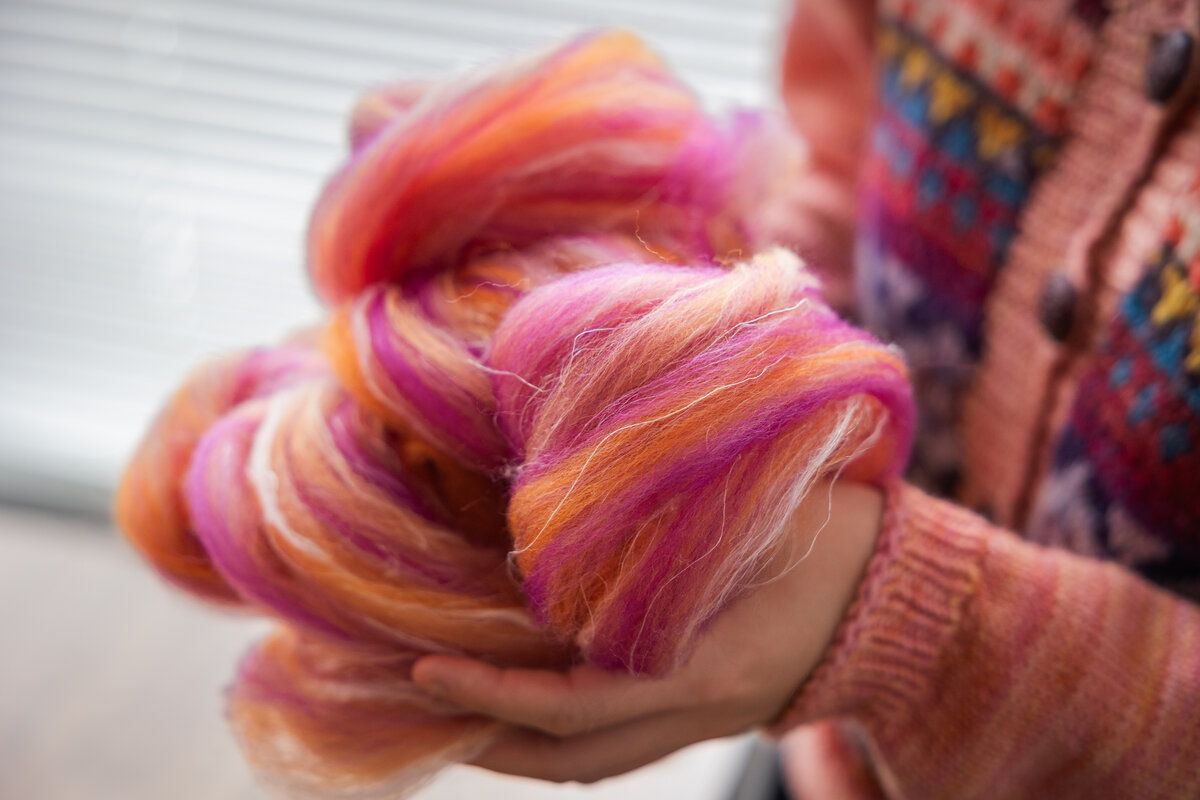
Plant Fibres
If you are working with plant fibres, the process looks different, but documentation remains just as important. Did your flax sit outside to ret longer this year than last? Did that make processing easier? Did you use any new tools this year? Did the plant seem healthy during the growing season? Each harvest brings variation, just as wool changes from year to year on the same animal. Notes help explain differences in your final yarn.
Prepared Combed Top or Carded Fibre
This is the most common starting point for many modern spinners. This is where many hand-dyed braids come from, including those at SweetGeorgia, as well as fibres found at festivals, online sites, and local yarn shops.
Not all dyers work with the same fibres, blends, or dyeing methods. This is a good time to note whether the fibre feels compacted or over-processed, whether it was sold as a braid or loose, and where it was purchased. If the fibre is a batt, it may be hand-processed from raw fleece or include additional fibres. A lot of this information can be found on the fibre’s tag or label. If it doesn’t, just ask! Many indie dyers are very happy to talk about their fibre.
Preparation is anything you do before spinning. What do you do with your fibre before you spin? Do you break it up for spinning as a fractal? Do you try to line up colours for gradient yarns? Even making notes of these little ways you prepare your combed top and hand-dyed braids will help you make more informed decisions on future projects.
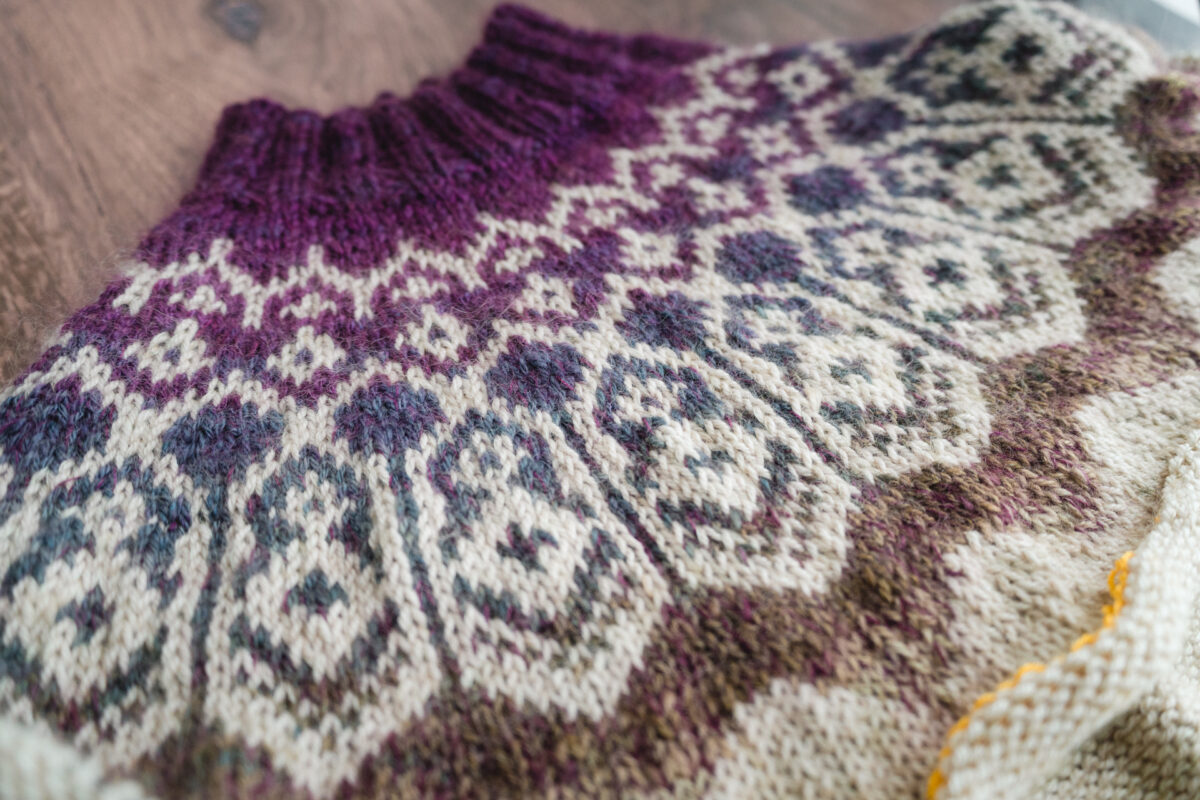
Choosing Tools & Purpose
Before diving into the fibre prep, it helps to clarify why you are doing it, which tools best suit that project, and what resources you have to support you along the way.
Project Purpose
Fibre prep lays the foundation for the yarn you want to create. What is the reason for your prep? Colour mixing, creating a fibre blend, or working from raw materials. What is the end goal? A soft sweater yarn or sturdy sock yarn.
Sometimes the goal is not changing the preparation style (woollen/worsted), but making the fibre easier to work with. This might include dividing fibre into smaller, more manageable amounts, predrafting the fibre, or opening compacted fibre so spinning feels more comfortable and enjoyable.
Tools & Equipment
Your tools often, but not always, guide the type of preparation you create. And choosing one tool does not limit you to one style of prep. Many tools are versatile and can be used in different ways. Have you ever made rolags on a hackle or combed-top on a blending board? Anything is possible!
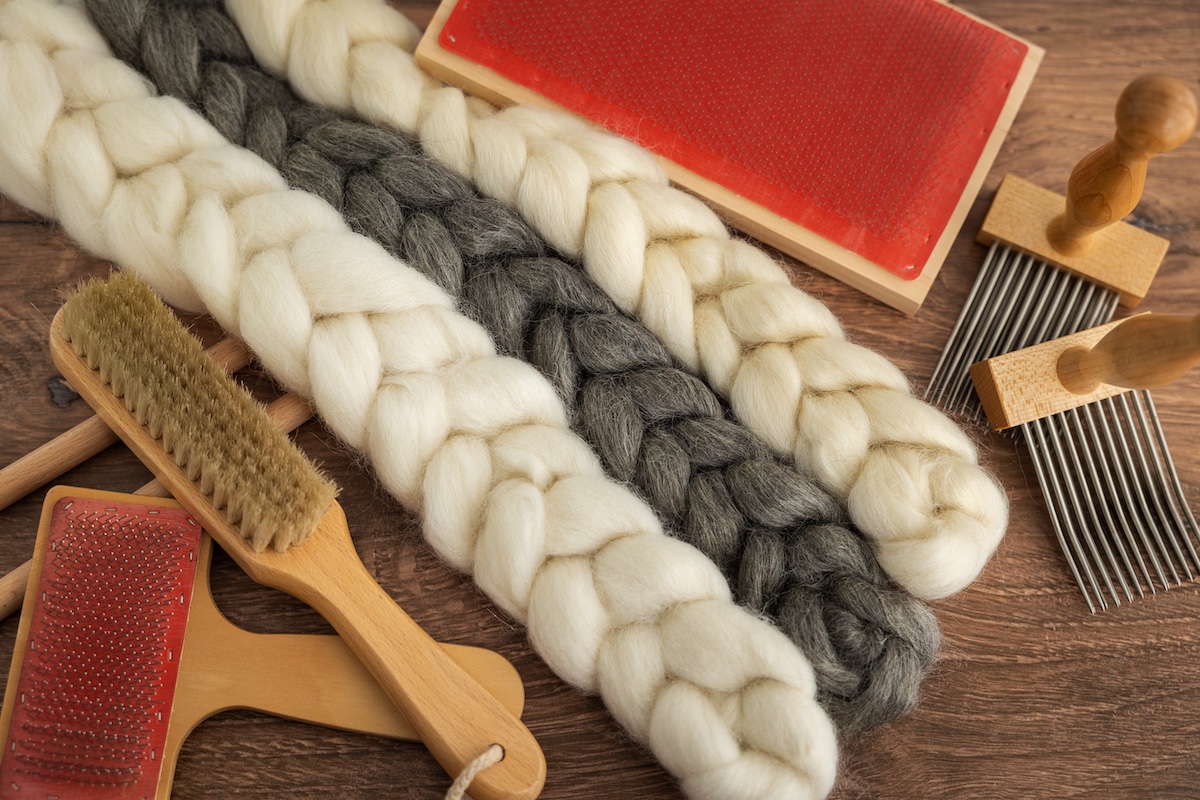
the most commonly used tools (and accessories) used in fibre preparation.
Documenting the Process
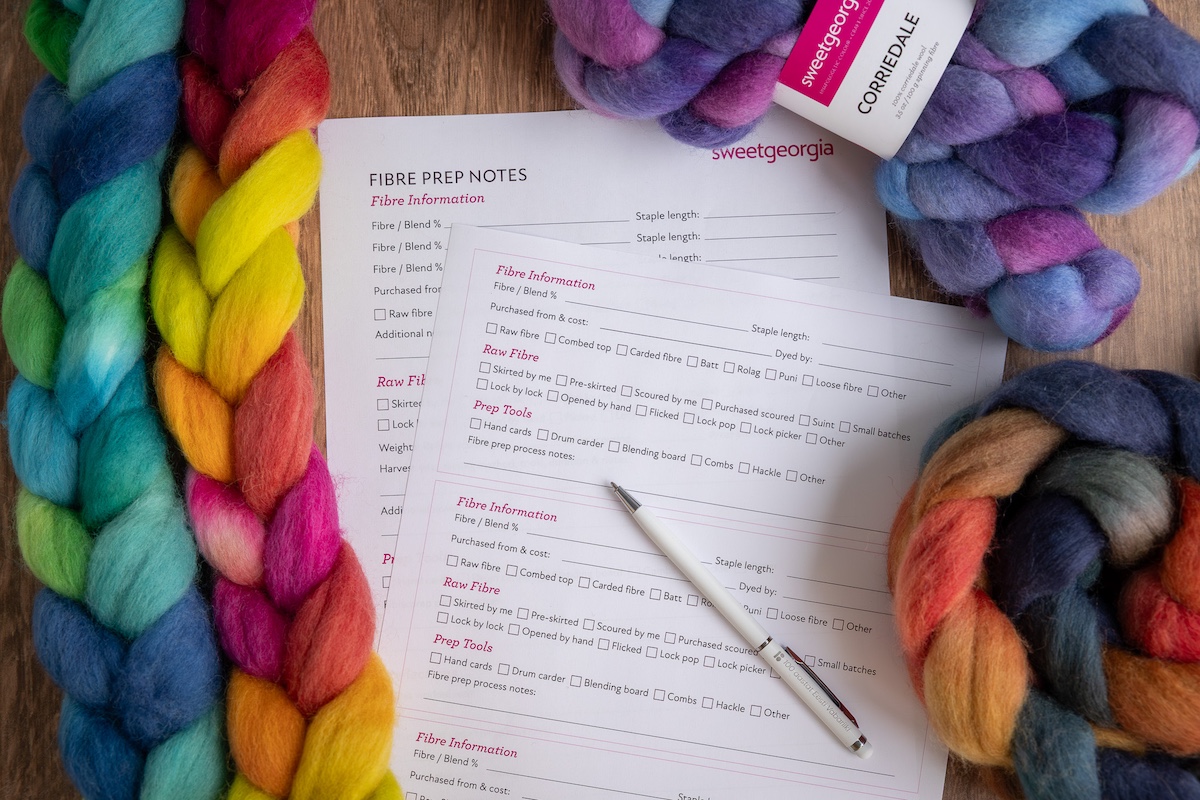
Recording your process is one of the most powerful tools you have. We include a Fibre Prep PDF at the bottom of the page to help you track your projects. Fibre preparation is only one part of the journey. Imagine documenting spinning, weaving, or sewing as well. Seeing your full path makes it easier to adjust and grow with each project, and your records will remind you of each step you took on that road.
Do not forget to note how each step feels. This may sound simple, but patterns often emerge. A tool that feels frustrating at first may become a favourite over time, while another may produce the results you love most, even if it feels slower. Or maybe you work with a breed once and love it, but forget what it feels like a few years later.
Sampling is also valuable. Taking time to spin a small sample using different approaches can help you decide how to move forward. Using 5 to 10 grams allows you to test ideas without committing your entire fibre supply. A small adjustment early on can save many hours later and lead to yarn you truly enjoy.
Support & Resources
Do you have everything you need? Books, handouts, workshops, videos, or courses.
With a School of SweetGeorgia All-Access membership, you gain access to courses that support steady skill building and thoughtful planning. From spinning and weaving to knitting, crochet, and dyeing, each pathway begins with the fundamentals and builds forward at a comfortable pace. With over 120 video-based courses and more on the way, there are many options to support your learning.
And, we have an excellent post, Best Reference Books for Handspinners (from the School of SweetGeorgia Instructors), that rounds up some of our favourite spinning and fibre preparation books (updated yearly).

It is packed with tons of helpful articles to get you started on your spinning adventure.
Courses to Support Your Fibre Prep
These courses come with custom worksheets that help you dive even deeper into the documentation of your projects, and offer a wide range of techniques that you can explore, finding the best approach for you, your tools, and your projects!
Katrina Stewart introduces us to mixing fibres using a drum carder, blending board, and hand cards for homogenous colour blending using simple colour theory.
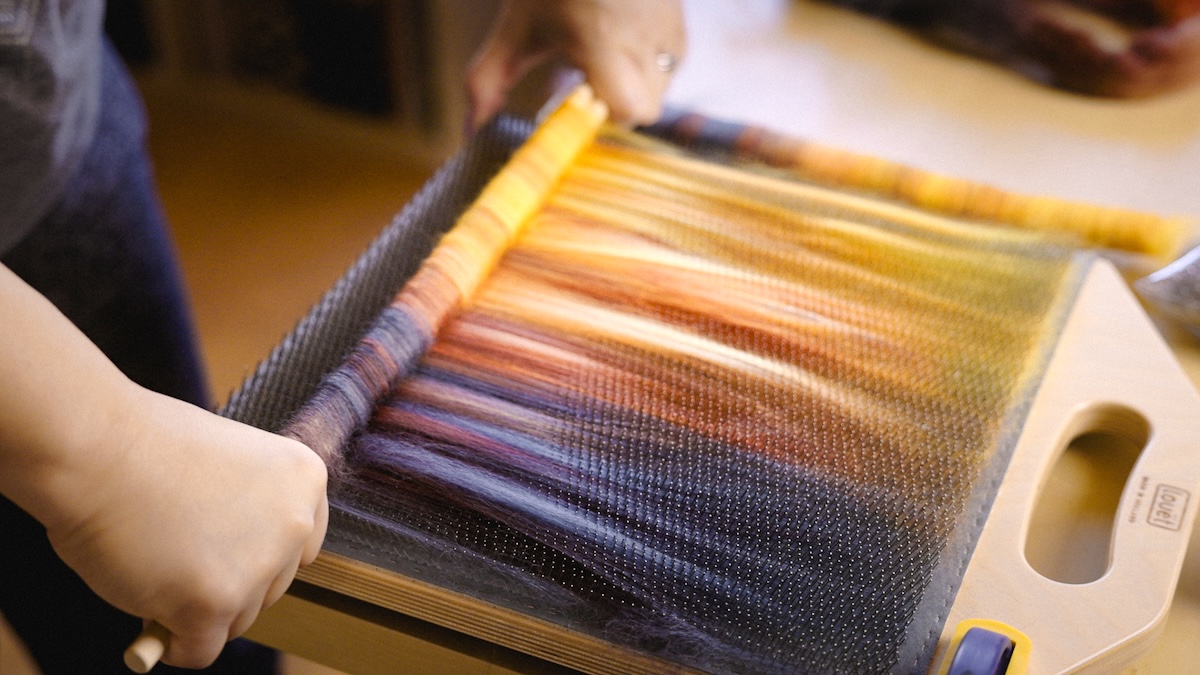
Blending Boards From Rolags to Roving
Debbie Held demonstrates how a blending board can become a go-to fibre prep tool for rolags, roving, and batts, and how to add texture, like locks and sari silk, to your blends!
Diana Twiss uses playful exploration of colour and fibre blending using a variety of tools to produce batts, rolags, and dizzed fibre, including a stunning rainbow batt!
This follow-up course with Diana Twiss focuses on scaling small samples to larger, repeatable batches, with consistent colour from start to finish!
Kim McKenna demonstrates fleece evaluation and scouring methods for raw fleece, and prepares fibre for woollen and worsted yarns, whether you start from raw or commercially prepared fibre.
Spin a Hand-Dyed Braid Five Ways
Kim McKenna shares how to prepare hand-dyed braids using five distinct approaches for drastically different results, all while using a wide range of tools.
Further Explorations
We also offer fibre-focused courses. Each course explores fibre characteristics, preparation options, spinning techniques, and blending possibilities.
- Spinning Sheep Breeds
- Spinning Luxury Fibres: Silk
- Spinning Luxury Fibres: Camelids
- Spinning Luxury Fibres: Goats & Rare
- Spinning Bast Fibres: Tow Tops & Bast Blends
- Spinning Cotton (coming mid-2026)
The Power of Community
One of the most meaningful resources is community. Learning alongside others brings encouragement, perspective, and shared joy. Whether you are working through a challenge or celebrating a finished piece, a supportive community makes the creative journey richer and more fulfilling.
We offer two supportive community spaces. The School of SweetGeorgia Community Forums allows members to connect with instructors, staff, and fellow makers based on the in-school courses and workshops. The SweetGeorgia Community offers another welcoming place to share and encourage one another outside of traditional social media. Your School of SweetGeorgia membership includes access to both.
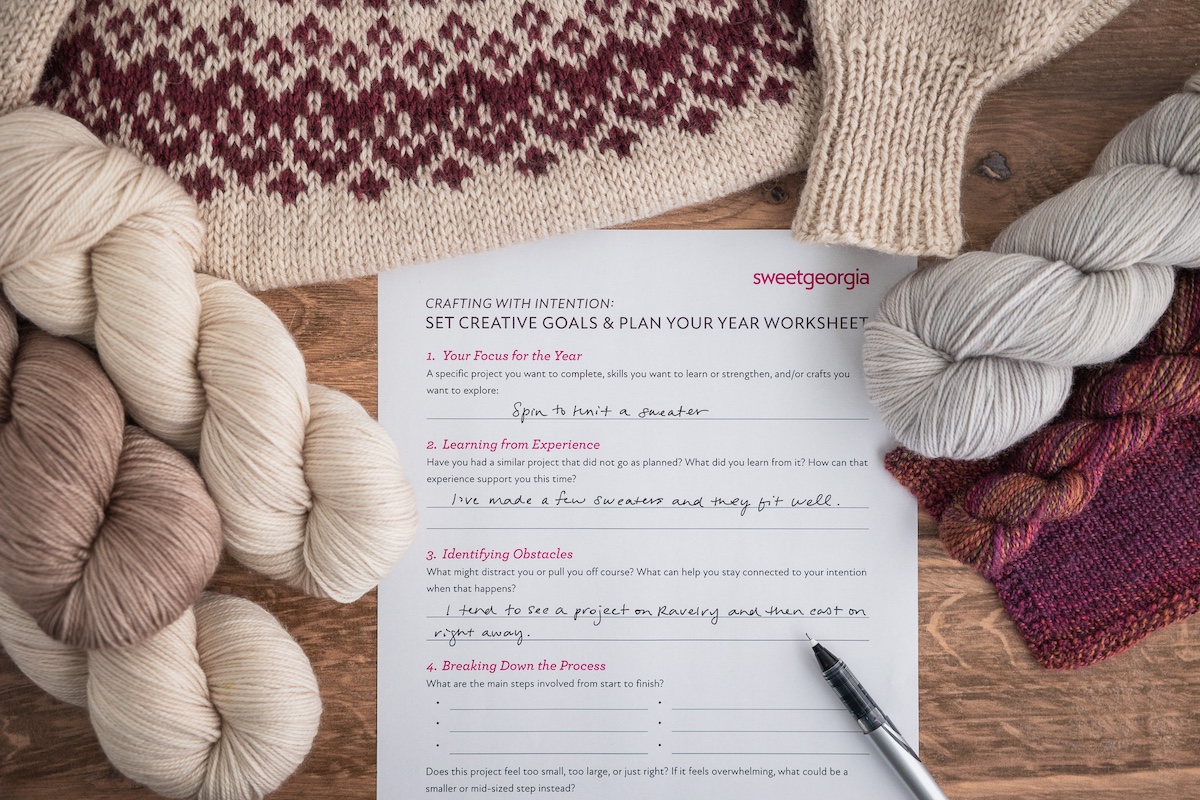
Read our Crafting with Intention: Set Creative Goals & Plan Your Year! post to learn more!
Final Thoughts
Remember, this documentation is for you, no one else. Many of us don’t record this much information, and that’s perfectly fine. Your notes grow with you as you become more involved in the process. You might start with just the breed of fibre, the tools you used, and the date you spun. That is enough. Not every box needs to be checked, and you don’t need to write an essay for each entry. Fill in the information that feels useful to you. And remember, not every project needs documentation; sometimes it’s simply fun to play and enjoy fibre.
We hope, however, that you revisit the notes you do take using the Fibre Prep PDF, whether after finishing a project or when starting a similar one. Looking back at earlier notes can be just as valuable as planning future ones, even when your preferences change.
Download the Fibre Prep PDF
We have included two different options for documentation. One page of the Fibre Prep PDF is for those who want very detailed notes. The other is a small tag that you can easily attach to the finished yarn when it is done. It holds less information, but the more you record your process, you may find you develop a shorthand for faster documentation, like WPI instead of writing Wraps Per Inch.
There is no right or wrong way to fill it out. This is your journey, your goals, your plan, and your projects. And we are here to support you every step of the way.
The post Swap Loose Notes for Organized Records with Our Fibre Prep PDF appeared first on SweetGeorgia Yarns.


