Textured yarns have the potential to push us out of our comfort zones and spin something truly magical. Sparking our curiosity about how a textured yarn is created, we can often dive into our stash, use bits of fibre that were left from previous projects, giving them new life. These yarns build our spinning practice in a different way from our conventional spinning. Namely, textured yarns push twist, forcing us to use the principles of twist in different ways. Not only to hold the yarn together, making a structurally stable yarn, but also to create amazing design attributes we otherwise wouldn’t think about.
Step-by-step, I will share my process in how to build a textured yarn featuring both corespinning and autowrapping. Corespinning is a wonderful way to dip our toes into textured yarns. They are relatively straightforward to spin, and the results are completely stunning. Autowrapping is another stunning technique that offers numerous opportunities to take a skein of yarn to the next level.
Fibre Preparation & Materials
The first step is to gather materials. Recommended materials for building this yarn include: a lightweight core yarn, wool fibre, lightweight string or thread, and beads or bells. To be successful in creating this yarn, we will explore each material in depth.
Core Yarn (Base)
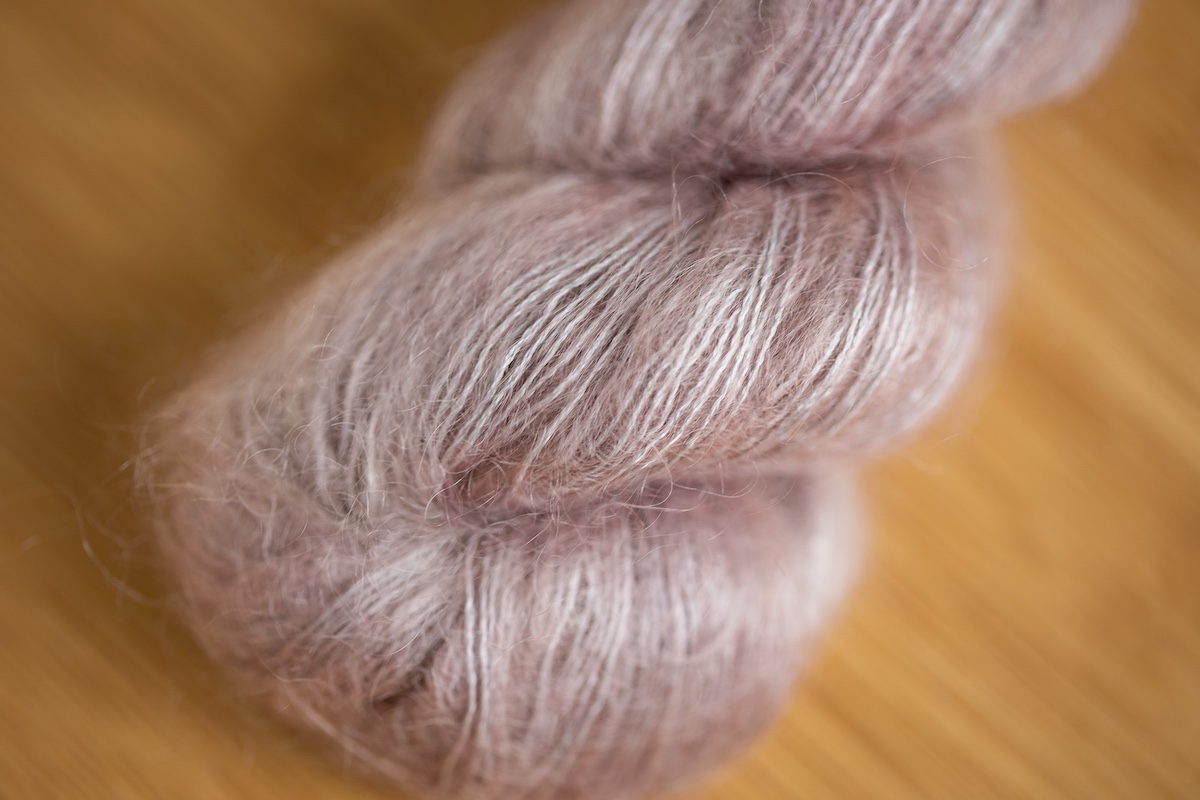
Corespinning is a technique of creating yarn that features two parts: a core and a fibre wrapping around that core. Over the years, through trial and error, I have used many core yarns to wrap fibre around. I have achieved the best results for a core yarn with a kid mohair-silk fibre blend, as well as any high-halo yarn. I suspect the reason for this is, in fact, the halo. The wrapping fibres are able to grab onto the fuzzy halo of the core yarns and, as the twist enters, the fibres easily wrap around the core and stay there. In the past, I have had fibres wrapped around core yarn move and shift, in both the finishing process and once it is knit or woven into fabric, because there wasn’t enough of a surface halo for the fibres to really lock on to.
Wool (Corespun)
For best results, wool is usually recommended because it’s known for its elasticity and memory. Wool drafts nicely along the core, easing into place as it is picked up by the twist.
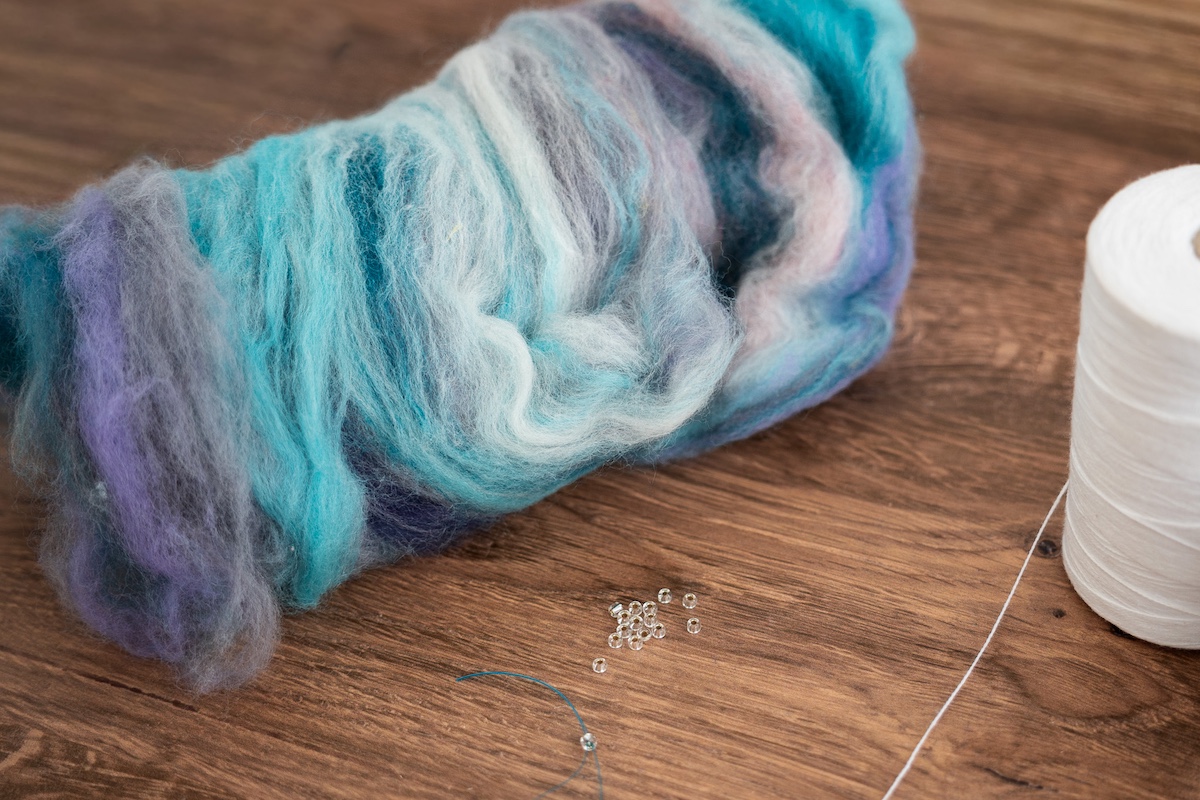
Utilizing fibre that has been leftover from previous projects, fluff and woolly bits offer interest, colour, and texture. Add-in bits and pieces can be any fibres you like. In the past, I have used many different wools alongside firestar, cotton, silk noil and other silk preparations. I have also explored bamboo, manufactured fibres like vegan cashmere, rayon, sari threads, shredded fabric bits, intact locks, and much more.
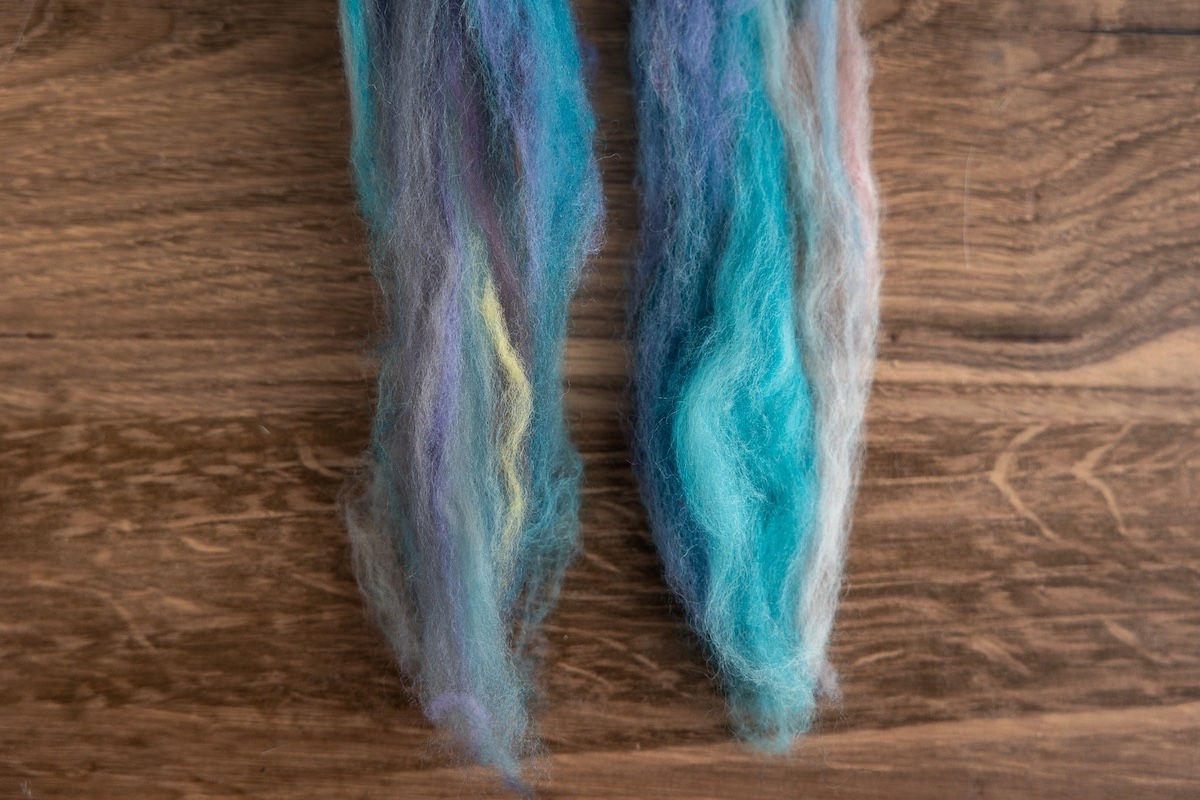
Often, I will use my hand cards, drum carder, or a blending board to create a batt or rolags to use for corespinning. This carded fibre prep adds air and loft to the fibres, making them easier to draft around a core. If this is your first time, use 100% wool and a woollen preparation; for this yarn, I used a carded wool preparation.
Thread (Autowrap)
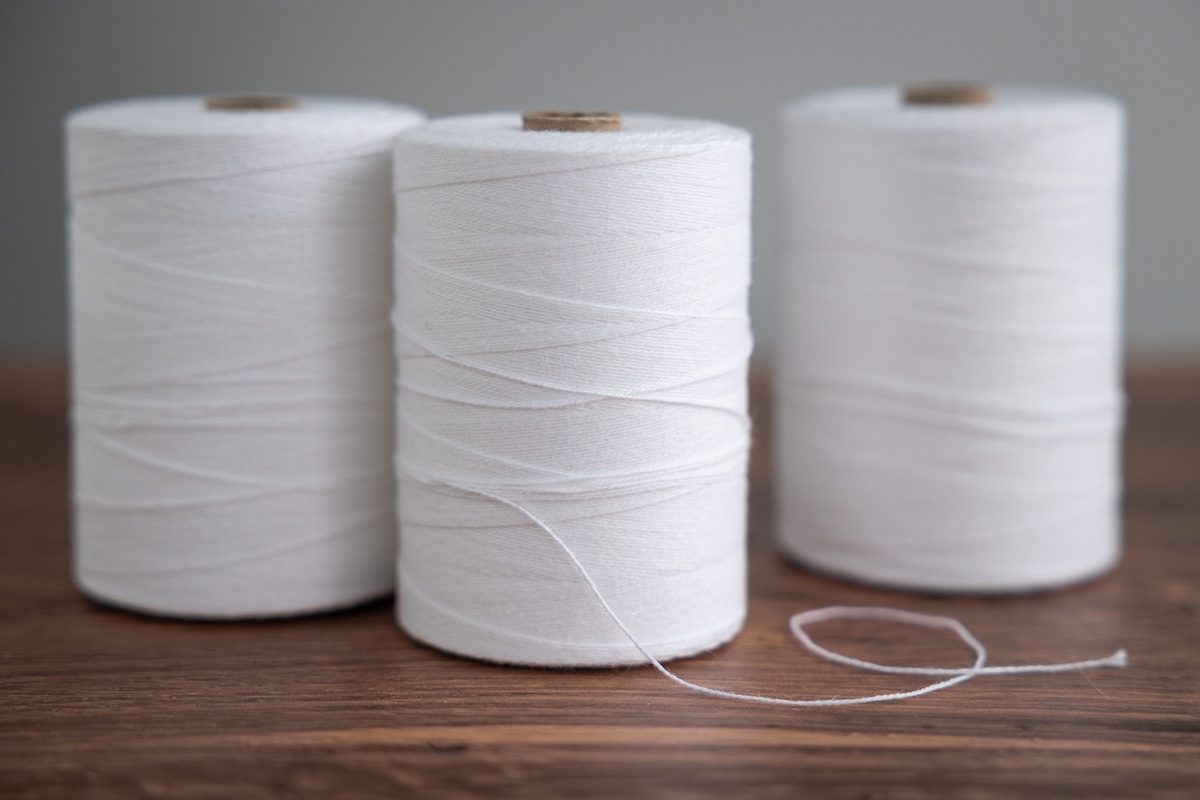
For the autowrapping around the corespun yarn, a beautiful thread or lightweight string works best. I used 8/2 cotton in my initial samples because I wasn’t sure how the heavier bells would manage on a lightweight thread. I thought they might need a slightly sturdier thread to hold them nicely on the corespun. Sample and play with some different materials from your stash.
Bells or Beads (Bling!)
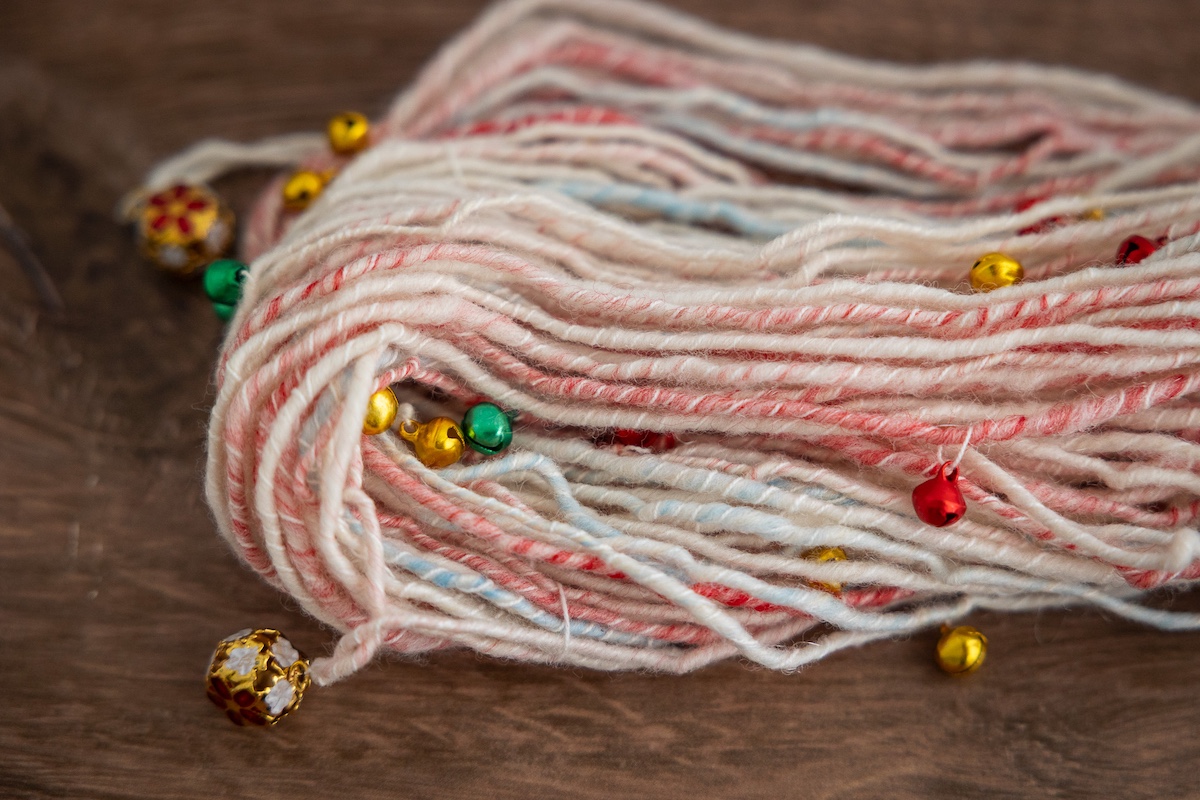
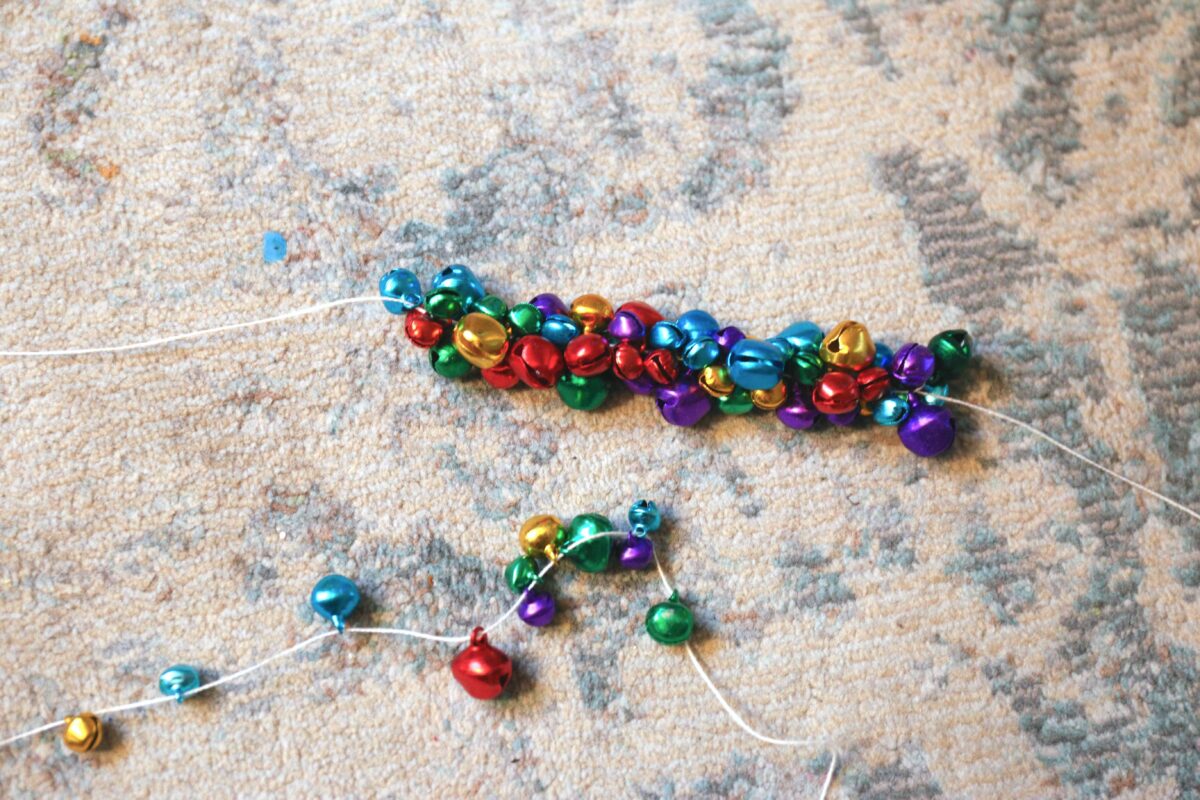
Lastly, the show stopper: Bells. For my Jingle All the Way Yarn, I used bells from a local Canadian dollar store. There is no end to the interesting craft materials one can find in places like this! We will also be sharing beads in this article for those who can’t fit bells through their orifice.
These bells were of varying sizes and weights. Be sure to choose additions, whether bells, beads, or something else, that can fit through the orifice of your spinning wheel. The larger bells on the second yarn I spun barely fit, and I had to push them quite firmly through, leaving a few scratches on the inside of the orifice of the flyer. There’s no major damage, but just be aware of the diameter and choose accordingly!
Creating Our Jingle All The Way Yarn
The corespinning of the wool and autowrapping of the thread with bells are done at the same time. We will begin by explaining the core spinning aspect of this yarn first.
Corespinning
Corespinning relies on differential ply twist tension. The differential plying creates uneven tension (twist) between the core and wool fibre, so the wool is able to wrap in the distinctive way around the core that is synonymous with corespun yarns.
Prep Prior to Spinning
While it is not necessary, if the spinning wheel that you will be using has a bulky or jumbo flyer and bobbin attachment, place this on the wheel according to the manufacturer’s specifications. Be sure to add a long leader to the bobbin to get started.
I like to pre-draft the carded fibres that I’ve chosen to corespin to add air and increase the ease of drafting. In my experience, I have found that ensuring there is no twist added to the fibre after it is prepped helps with ease in the actual corespinning itself.
I tend to spin my corespun yarns in the counterclockwise (S-spun direction/to the left), because if I am going to knit with them, this prevents the yarns from untwisting while knitting (which tends to happen with my Z-spun yarns). The core yarn is held firmly but gently straight from the orifice, directly in line with your belly button.
Starting to Spin
Next, set up the spinning wheel so that there is a medium uptake of the core yarn onto the bobbin. Allow some of the core yarn to begin easing onto the bobbin before starting.
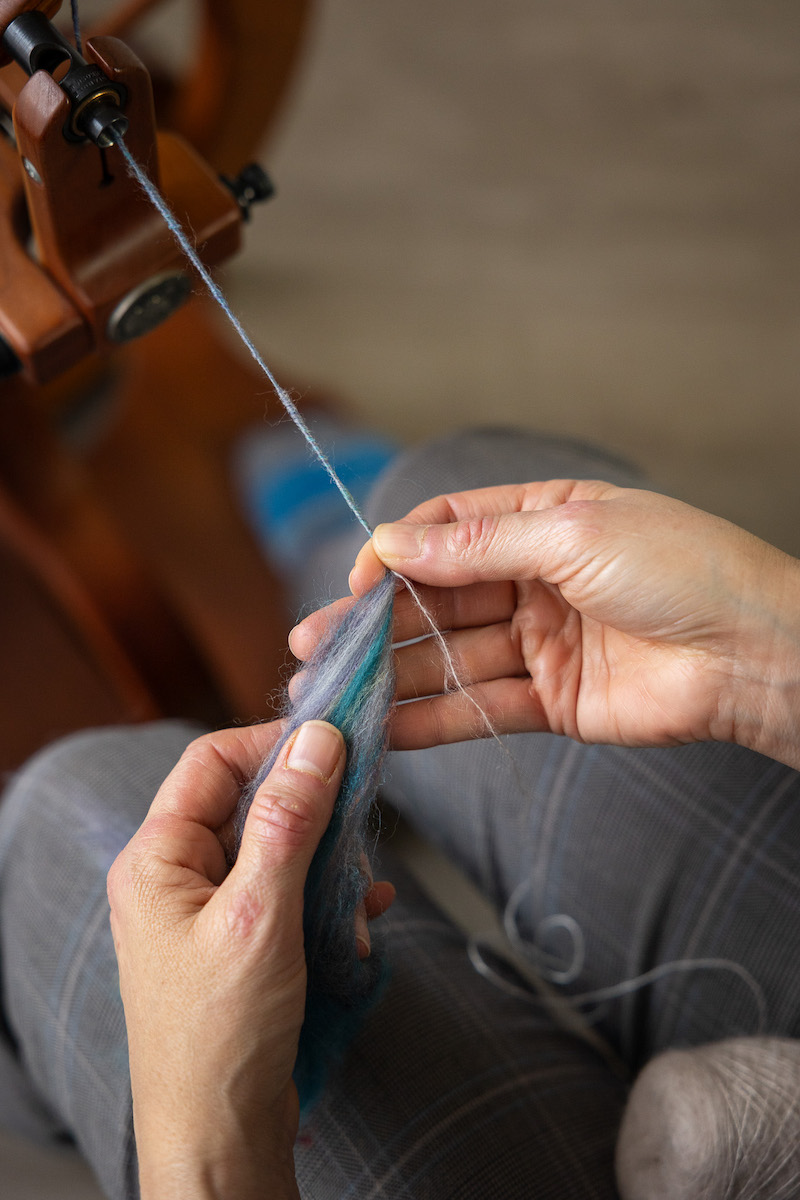
Continue treadling, but instead of allowing the core yarn to wind onto the bobbin, hold the ‘fluffy ends’ of the pre-drafted carded wool to the side of the core and allow it to catch. Begin drafting slowly to the right, allowing the fibres to wind around the core as twist is taken up by the core yarn. Allow the yarn to slowly wind onto the bobbin as the core yarn is filled, creating yardage.
Continue in this pattern: holding the core yarn firmly but gently and allowing the fibres you’ve prepared to wrap around the core, then winding onto the bobbin.
Here are Some Tips & Tricks to Ensure Success:
- Some spinners prefer to wrap the core once around their pinkie finger of their left hand to keep tension, prevent the twist from building up and travelling down the core yarn (can cause tangling). This can also help maintain control. I personally prefer not to do this, but many find this advantageous. Play and see what you think!
- Pinching the core yarn at the place where the carded wool fibre is winding around will help to keep both the length of draft and the number of fibres consistent. Then, move the pinching fingers downwards as the fibres wind around the core yarn. This technique gives the carded wool fibre something to ‘draft against’. It is really important because there is a possibility that the core yarn could break, and the ‘pinch and release’ technique can prevent that.
- Sometimes, as the carded wool fibres wrap around the core yarn, a slub or large bundle of fibres wraps around the core yarn before you can stop it. Let it go. Slubs create interest, texture, and depth to the corespun yarn. Textured yarns are not meant to be perfectly consistent, but interesting and creative. I rarely go back and try to fix slubs. If it’s a particularly large slub, use your fingers to squish it down and push out the air so that it wraps around the core nicely … but honestly? I rarely even do that!
- Relax. Hold everything gently, with a light hand. When the core yarn and carded wool fibres are held too tightly, they aren’t able to wrap around properly, can break, and often, treadling speeds up, which creates too much twist. Keep treadling at a slow, steady pace and ease the fibres around the core before allowing the core yarn to wind onto the bobbin. Don’t forget to breathe.
Finding Rhythm
As you master corespinning, you will begin to see that there is a rhythm to it that is quite relaxing: pinch, pull, wrap on, pinch, pull, wrap on, and so on. Creating quite a bit of yardage quickly will be easy enough once you have the hang of it!
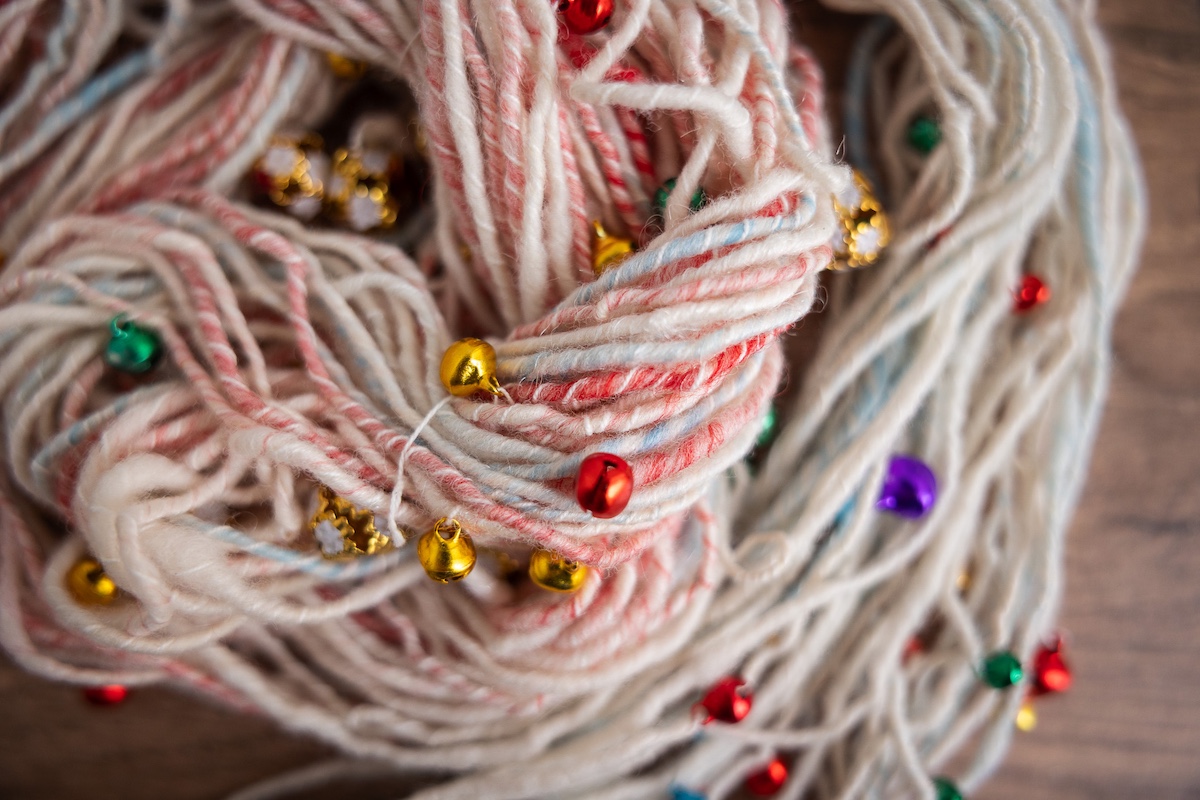
Mastering corespinning means that a world of textured yarns awaits! Building onto a corespun yarn is easy to do, and because the structure of corespun is very stable, there’s no worry that things are going to fall apart or be ‘ruined’ by adding another element. Corespinning is such a great place to start when learning how to make textured yarns.
Check out My Collection of Corespun Yarns on Ravelry.
Autowrapping
Want to really impress your spinning friends? Add some autowrapping to a handspun skein! Autowrapping is a very straightforward technique that adds a lot of ‘shock’ value without much effort.
Prep Prior to Spinning
To get started, add all of the bells or beads onto the thread. This creates a bit of bulk, so push the bells as far back as possible on the thread. I left my threaded bells lay on the floor next to me, and pulled them forward as I needed them. Mine didn’t tangle too badly, but keeping them in a straight line and continuing to push them back, as I worked my way down the thread, helped immensely.
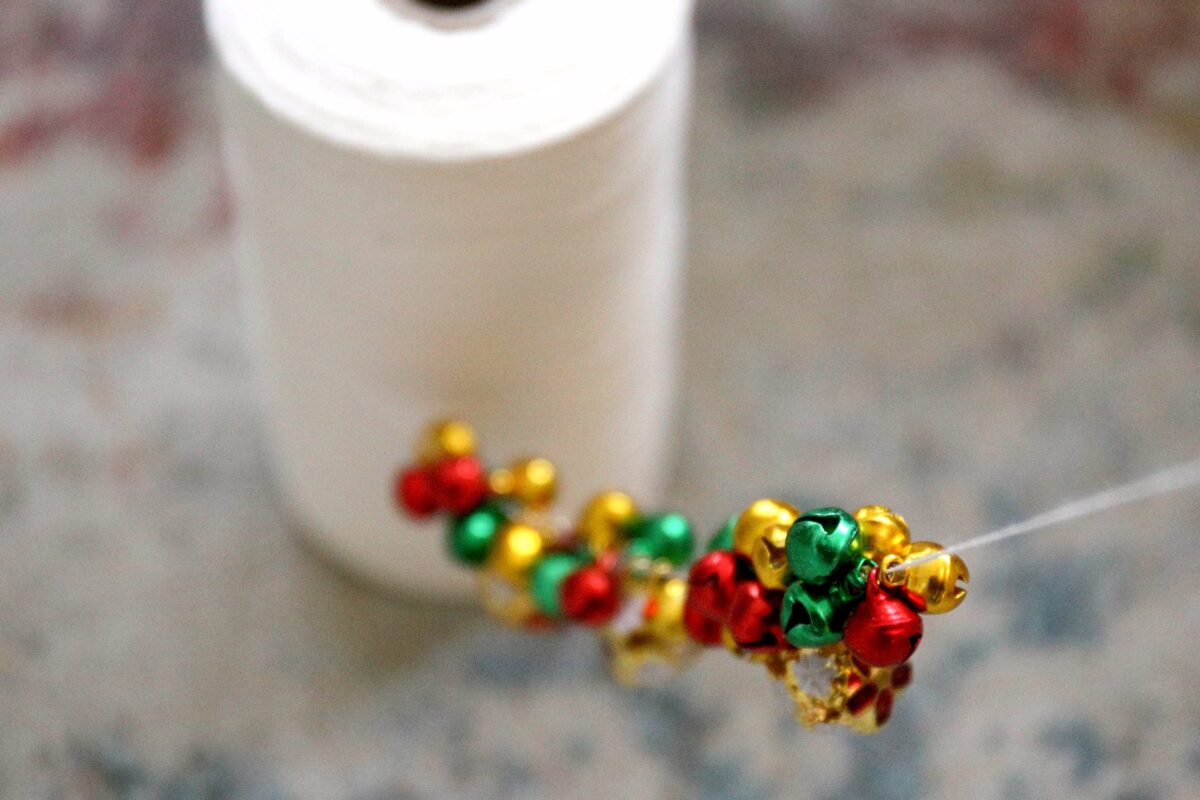
Next, attach the thread to the core yarn. I embedded the end of the thread in the carded wool fibres to wrap around the core yarn, ensuring that the thread will wrap around a few times in the process, securing it. Another option would be to tie the core yarn and thread together to the leader to start autowrapping right away.
Starting to Spin
As the treadling begins, hold the thread between the pinkie and fourth finger of the left hand. Autowrapping means that the thread will wind around the yarn randomly, sometimes more firmly, and other times loosely. This is the beauty of autowrapping! It adds another dimension to already beautiful yarn, creating more texture and interest. As those fingers hold the thread, twist is added, which allows the thread to wind around the core yarn.
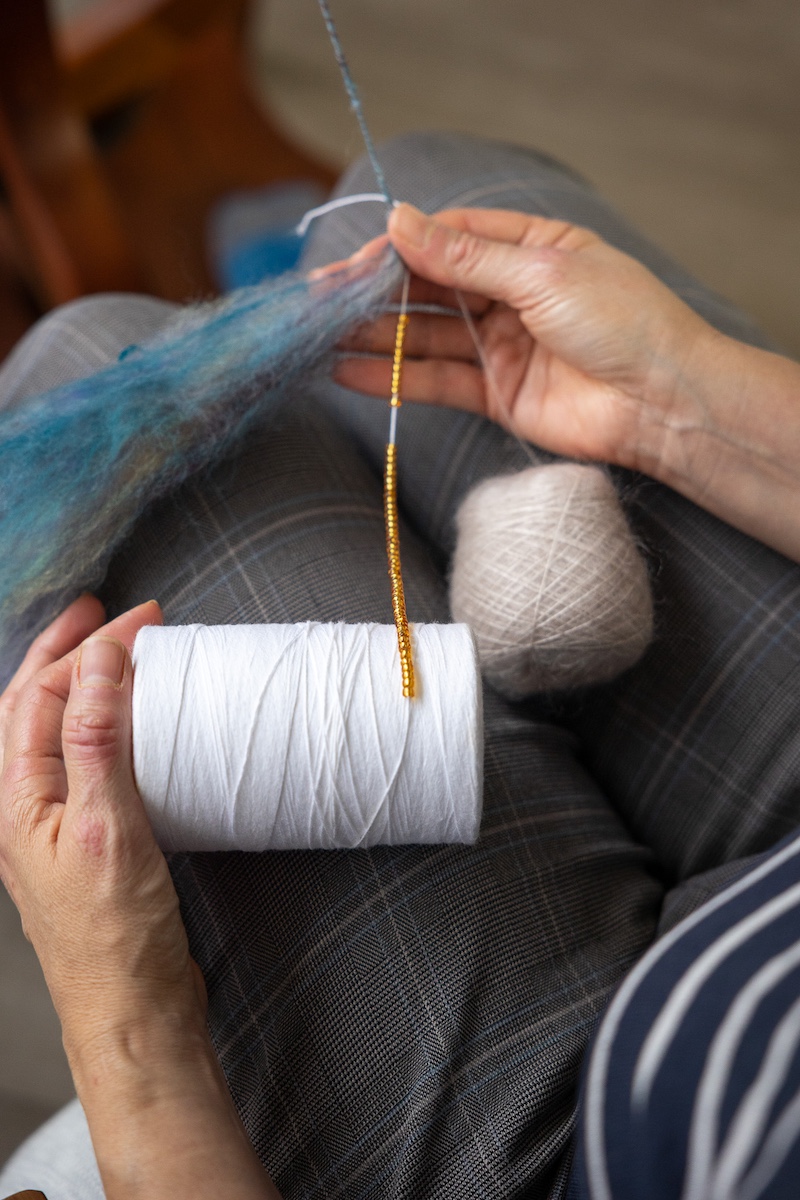
While you spin the corespun yarn, continue to allow the thread to wrap around the corespun randomly. Don’t try to control it – this is what makes autowrapped corespun yarn so interesting and neat!
Adding Bells
Pausing every so often to pull a bell or bead forward is key to creating the Jingle All the Way yarn. I paused every 30 cm / 12 inches to pull forward a bell and push it into the half twist that the autowrap was making around the corespun before continuing onwards. If I didn’t push it into the partially twisted autowrapped thread, it would just slide back down the thread rather than becoming part of the yarn! Take a moment to ensure it is anchored.
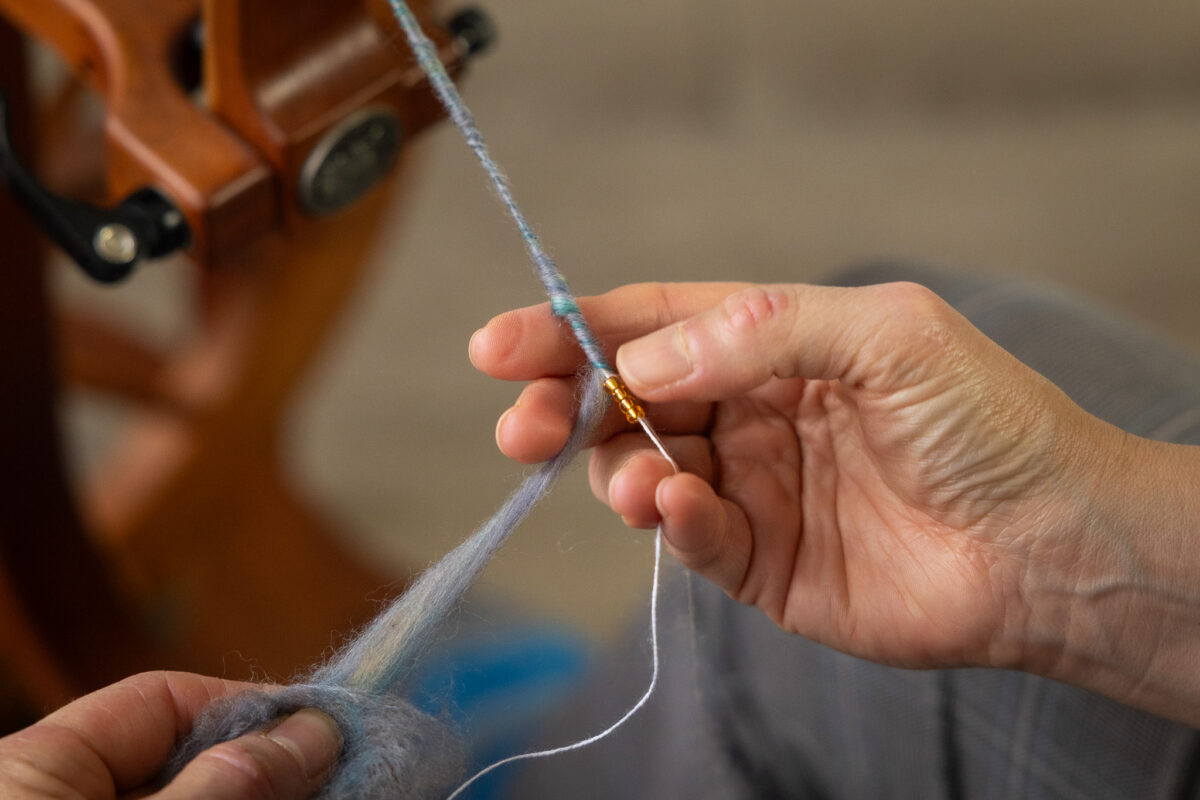
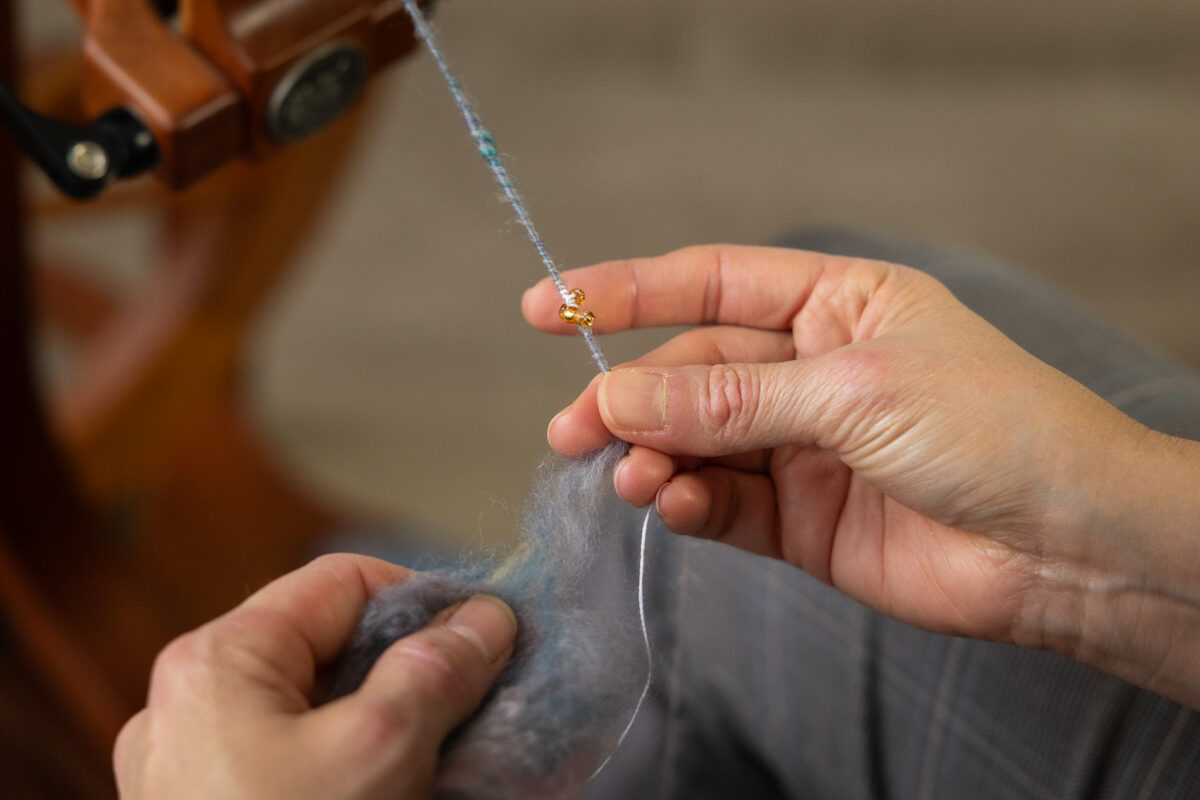
Continue in this way until the carded wool fibre that has been prepared for corespinning, the bells, the autowrapped thread, or the core yarn runs out! Reattach any of these elements to continue creating more yardage.
Check out My Collection of Autowrapped Yarns on Ravelry.
Final Thoughts
Textured yarns are a great way to improve conventional spinning techniques. There is often a lot happening while making textured yarns that necessitates a lot of control.
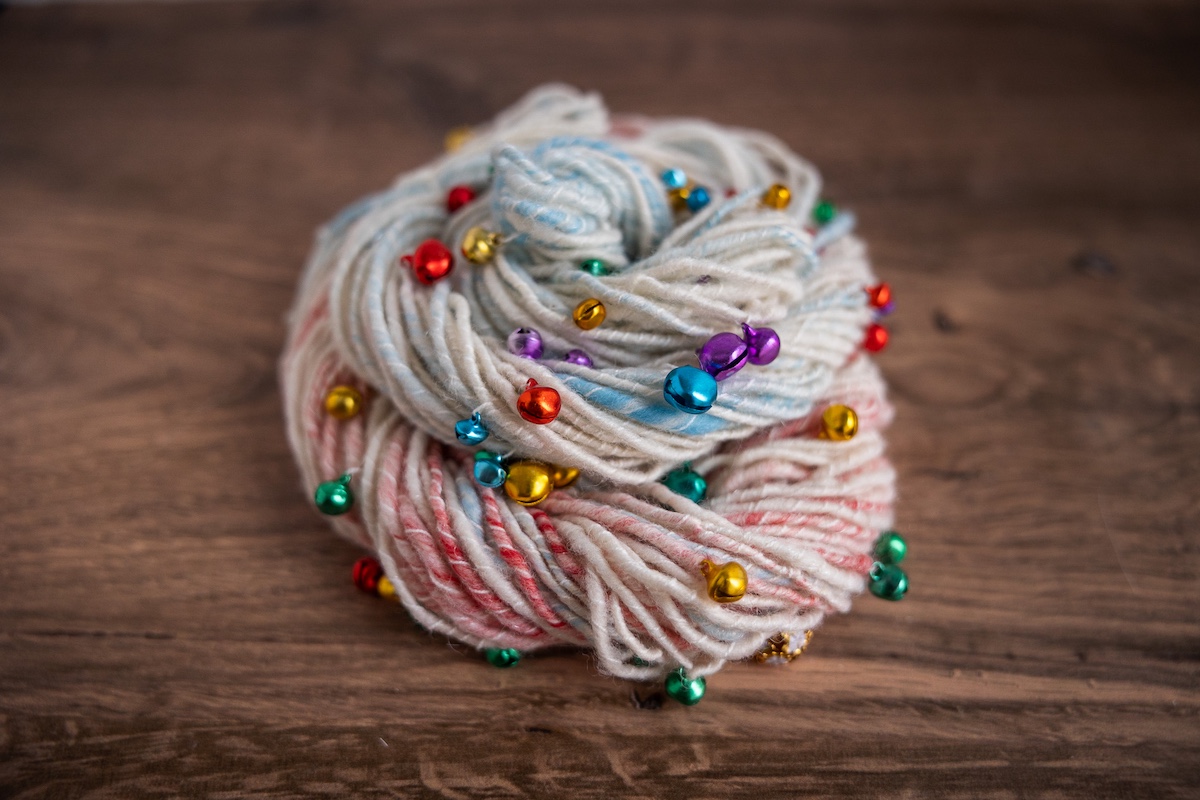
Corespinning forces you to draft evenly throughout the spinning experience, and after coming back to conventional drafting, you’ll notice that your distance of draft is more consistent.
Autowrapping uses dexterity and control to ensure the thread continues to wrap as the corespun is made. This is a great skill to bring back to your conventional spinning, and will improve the dexterity of finger movements when spinning slippery or difficult-to-draft fibres.
Finally, adding design elements, such as bells and beads, means paying attention to yardage to place them somewhat evenly along the length of the yarn. This also involves preventing tangles, and managing thread and yarn strategically, for the best results.
No matter what is chosen for the bells or beads, it is a lot of fun to create these yarns! Creative freedom can be completely let loose here. I encourage you to choose something totally wild and give it a try on your corespun autowrapped yarn. Good luck!
More About Rachel Smith
Rachel also creates content on the SweetGeorgia site. Browse Rachel’s articles to discover techniques, refine your skills, and spark creativity.
The post Spin a Corespun Yarn that Jingles All The Way! appeared first on SweetGeorgia Yarns.